
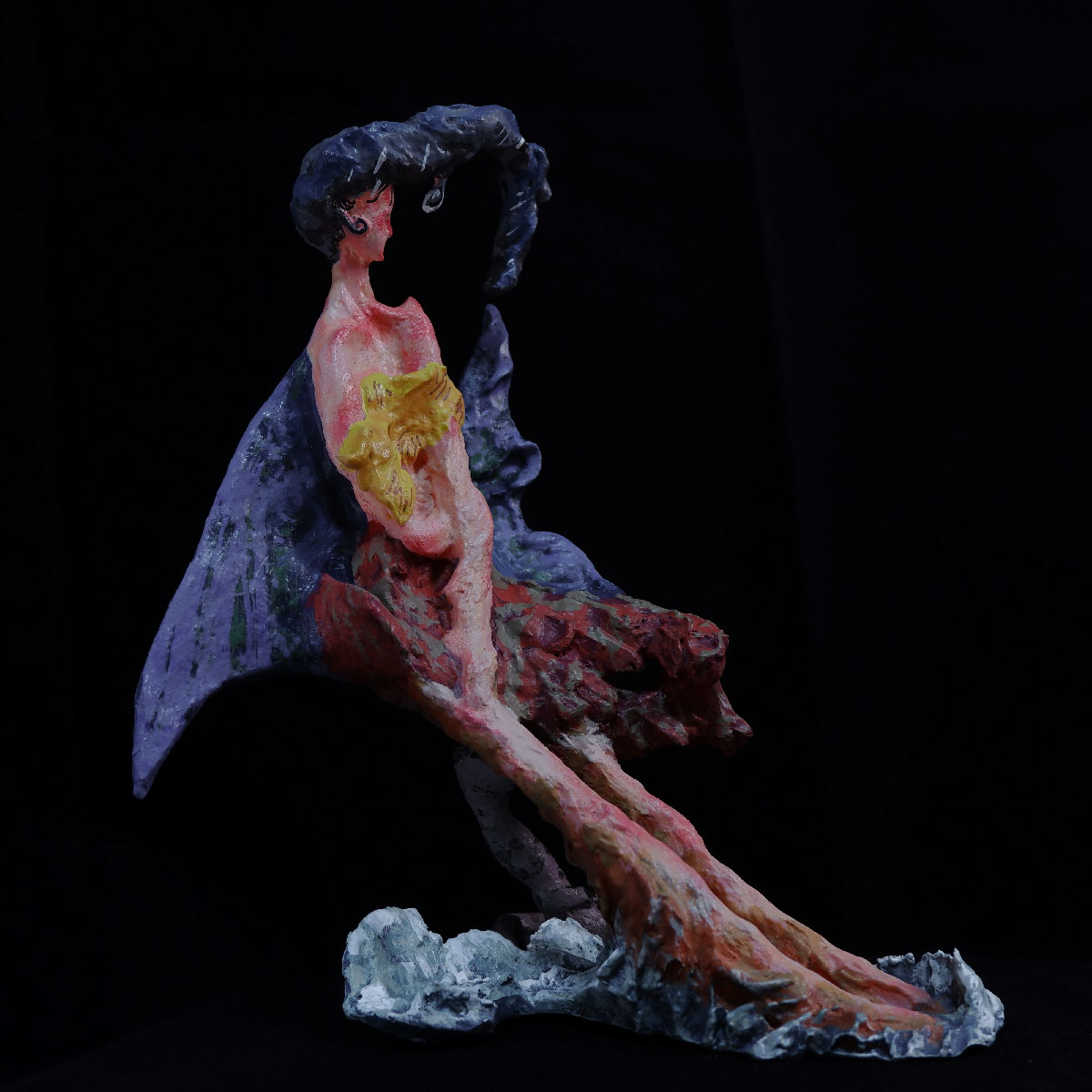
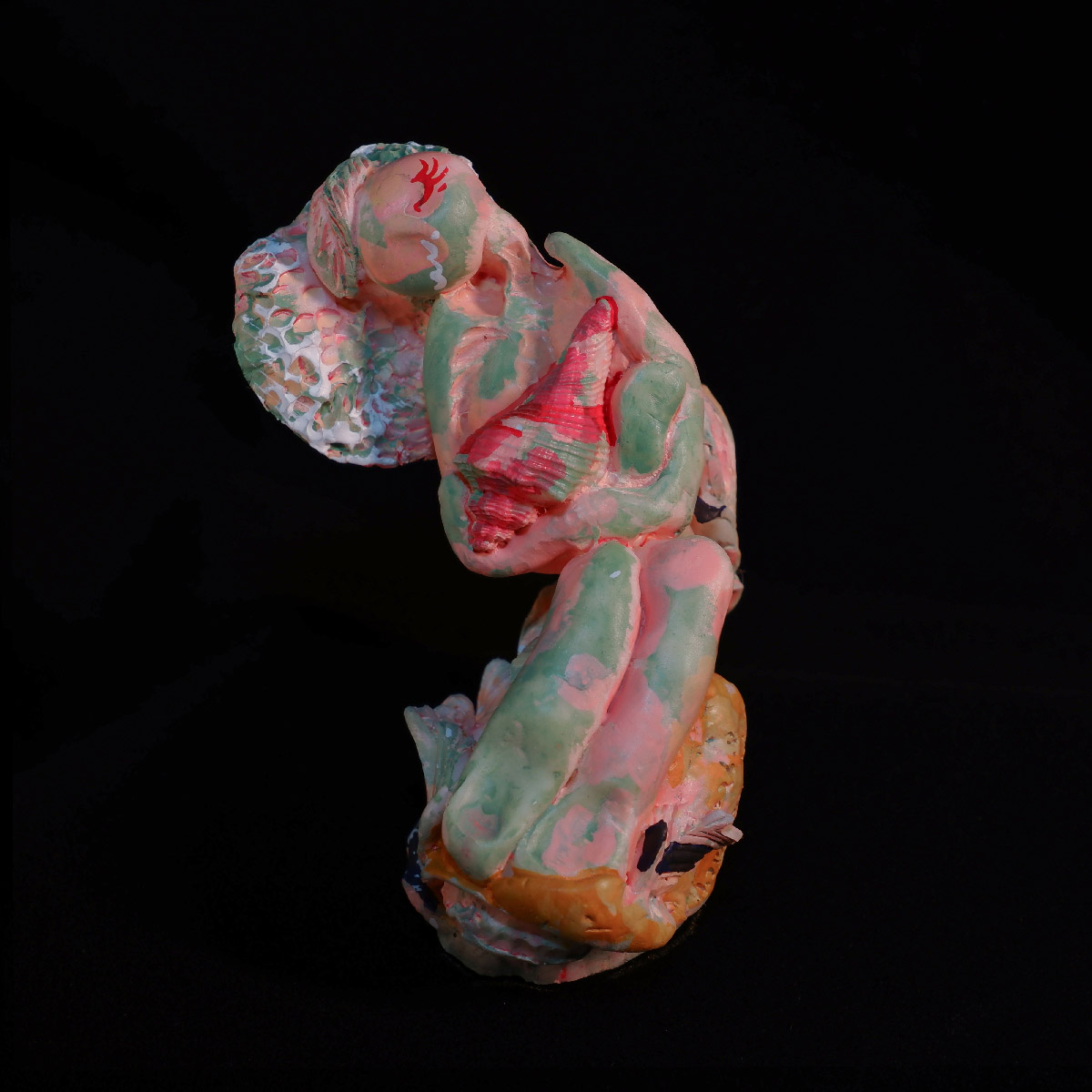
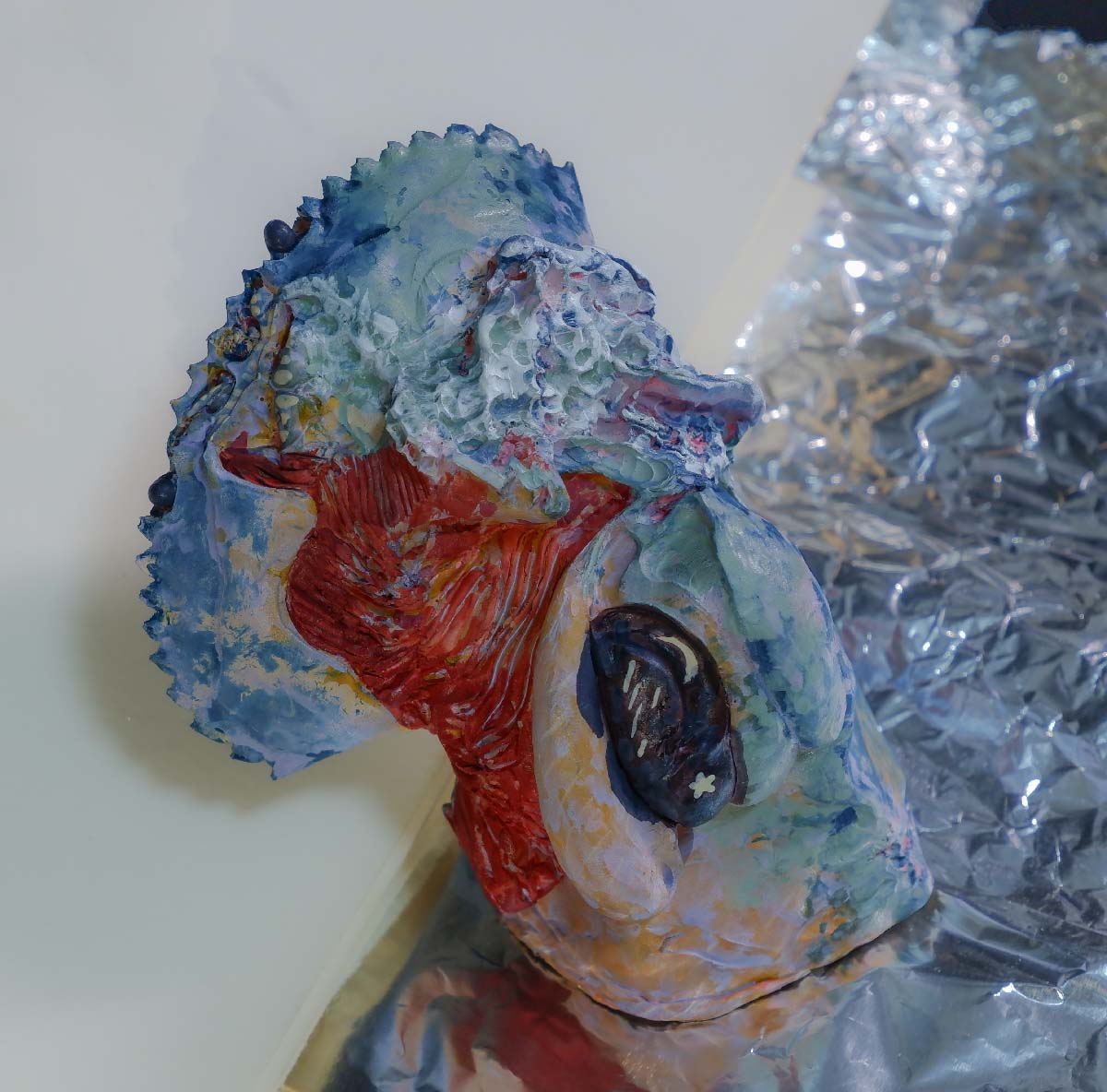

Ni-Lin is not a character. It is an emotional state turned into a physical art object Created by artist Philo, Ni-Lin transforms feelings, memory, and imagination into collectible resin figures. Each piece represents a fragment of inner experience rather than a fixed story.

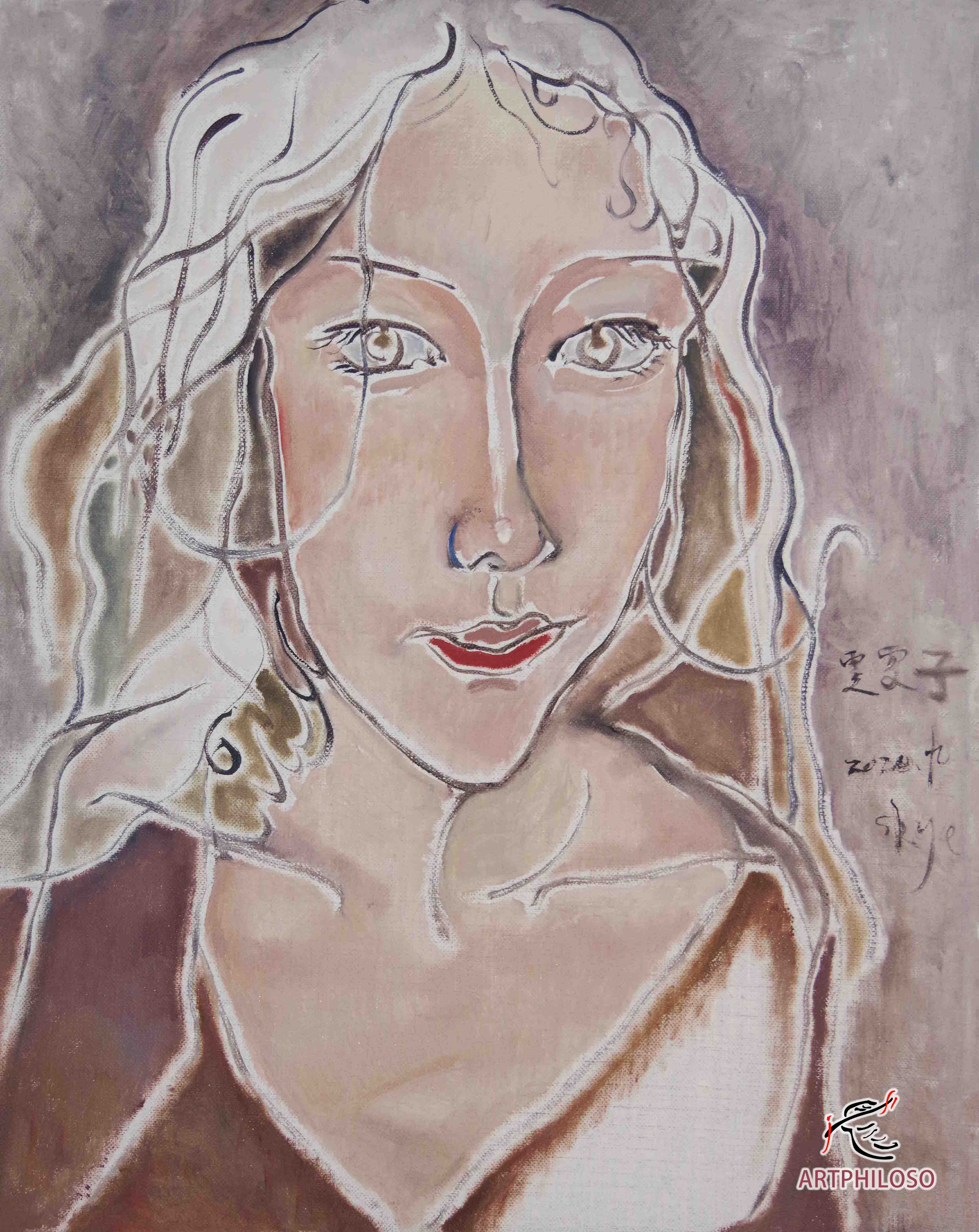
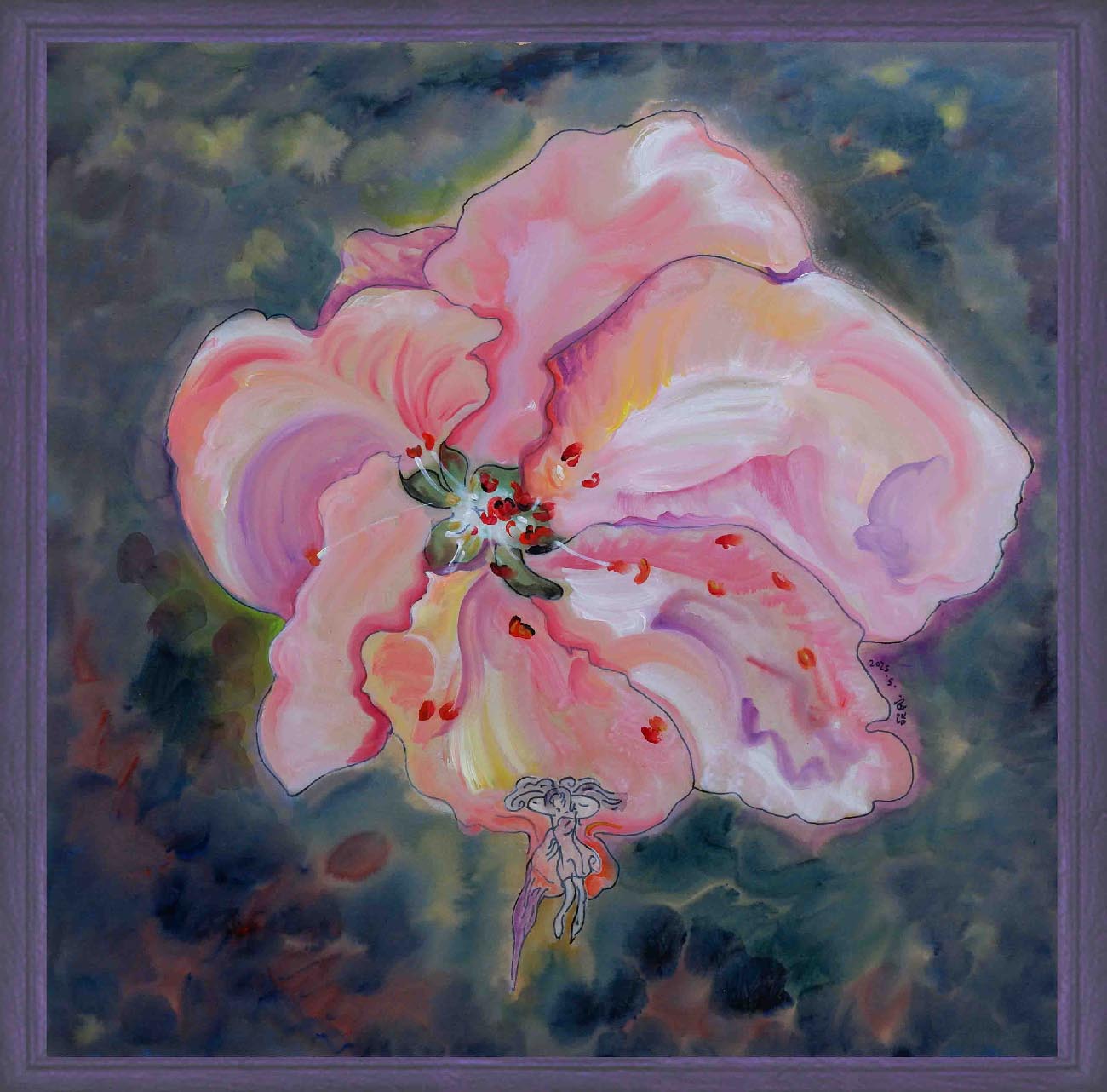
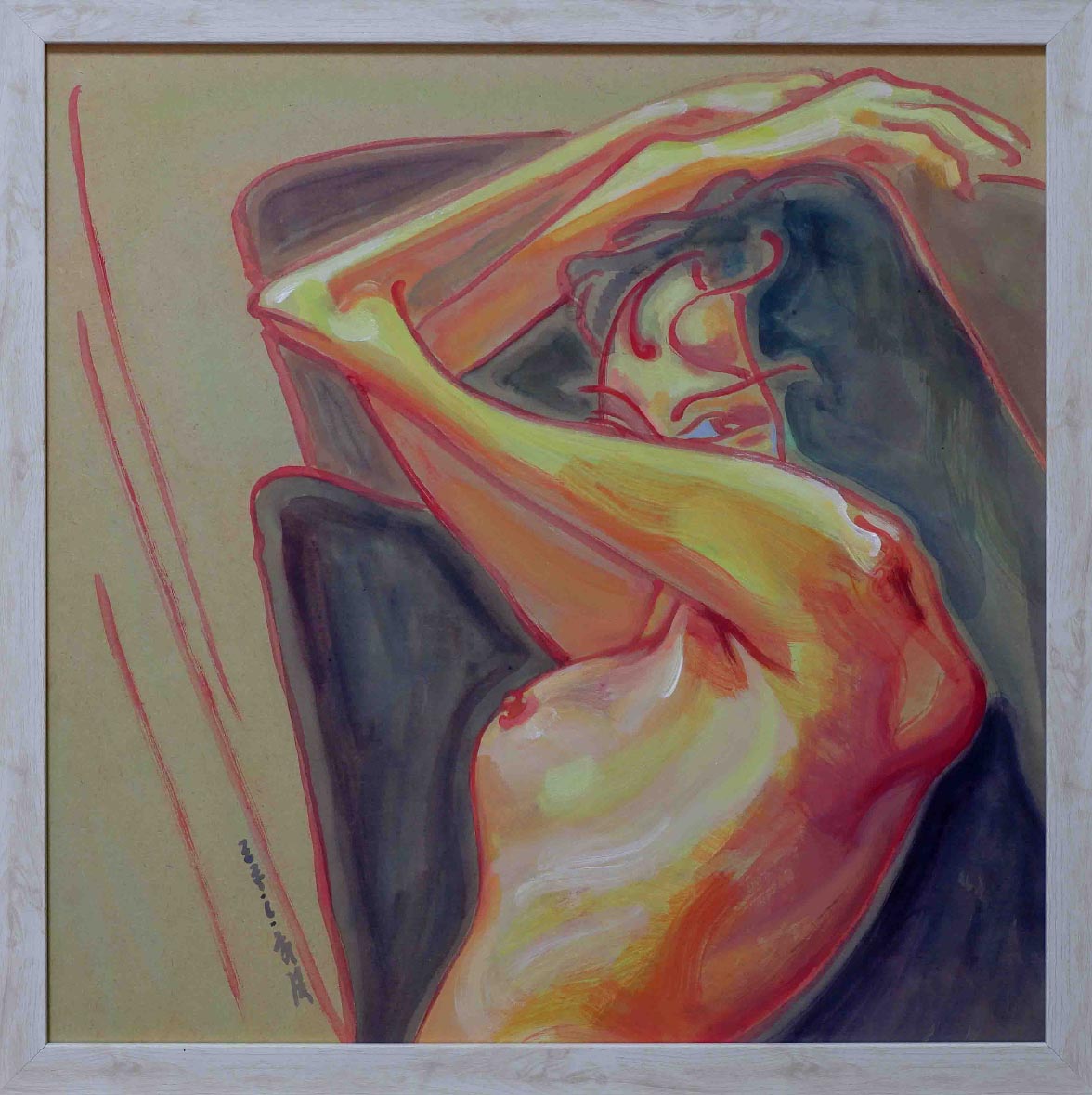
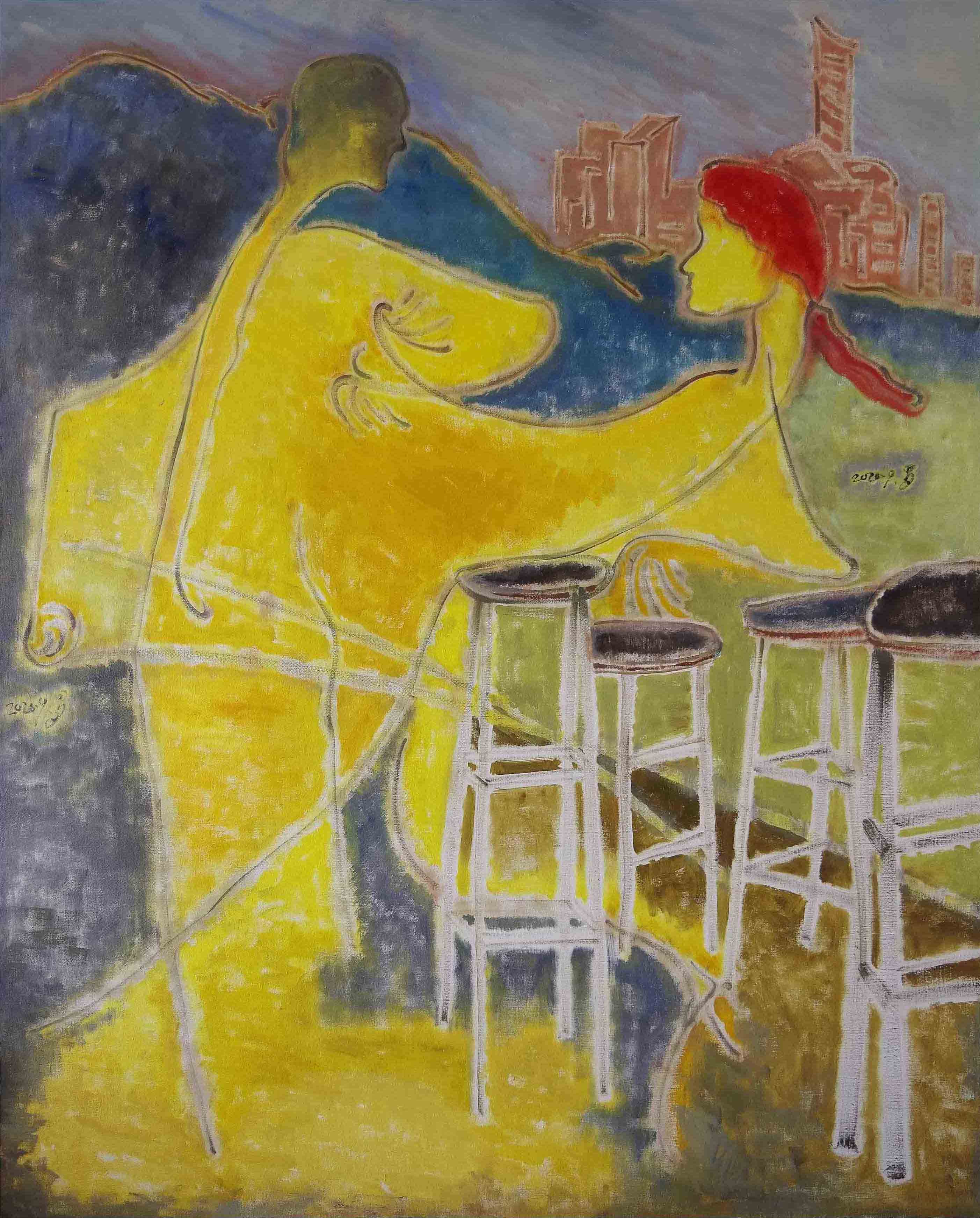
This article examines whether Chinese contemporary oil painting is a viable investment, with a focus on emerging artists, pricing dynamics, and market risks. It provides a clear, practical framework for collectors by combining market insight with actionable guidance, helping readers understand where real opportunities exist and how to approach this category with confidence.