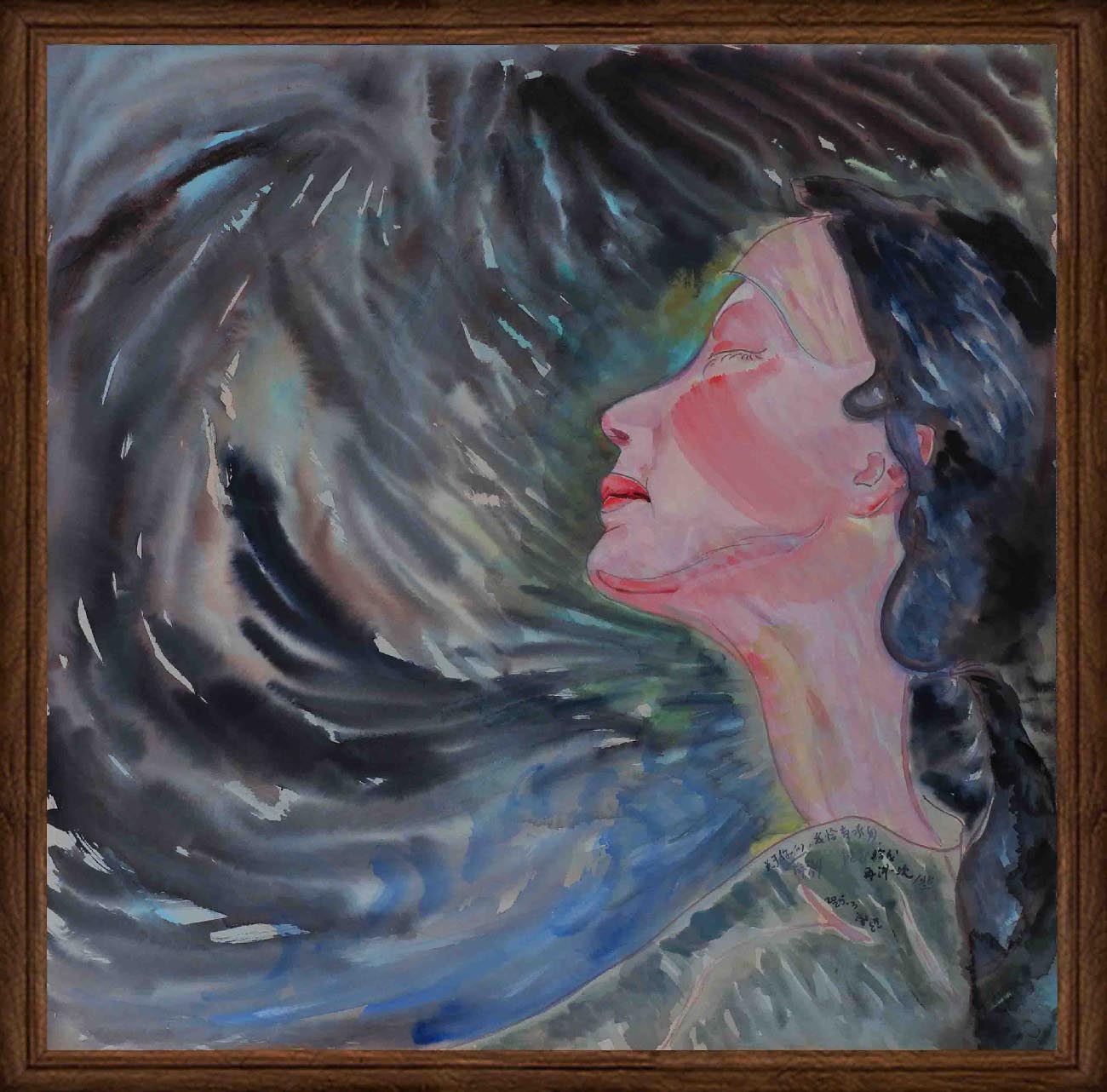
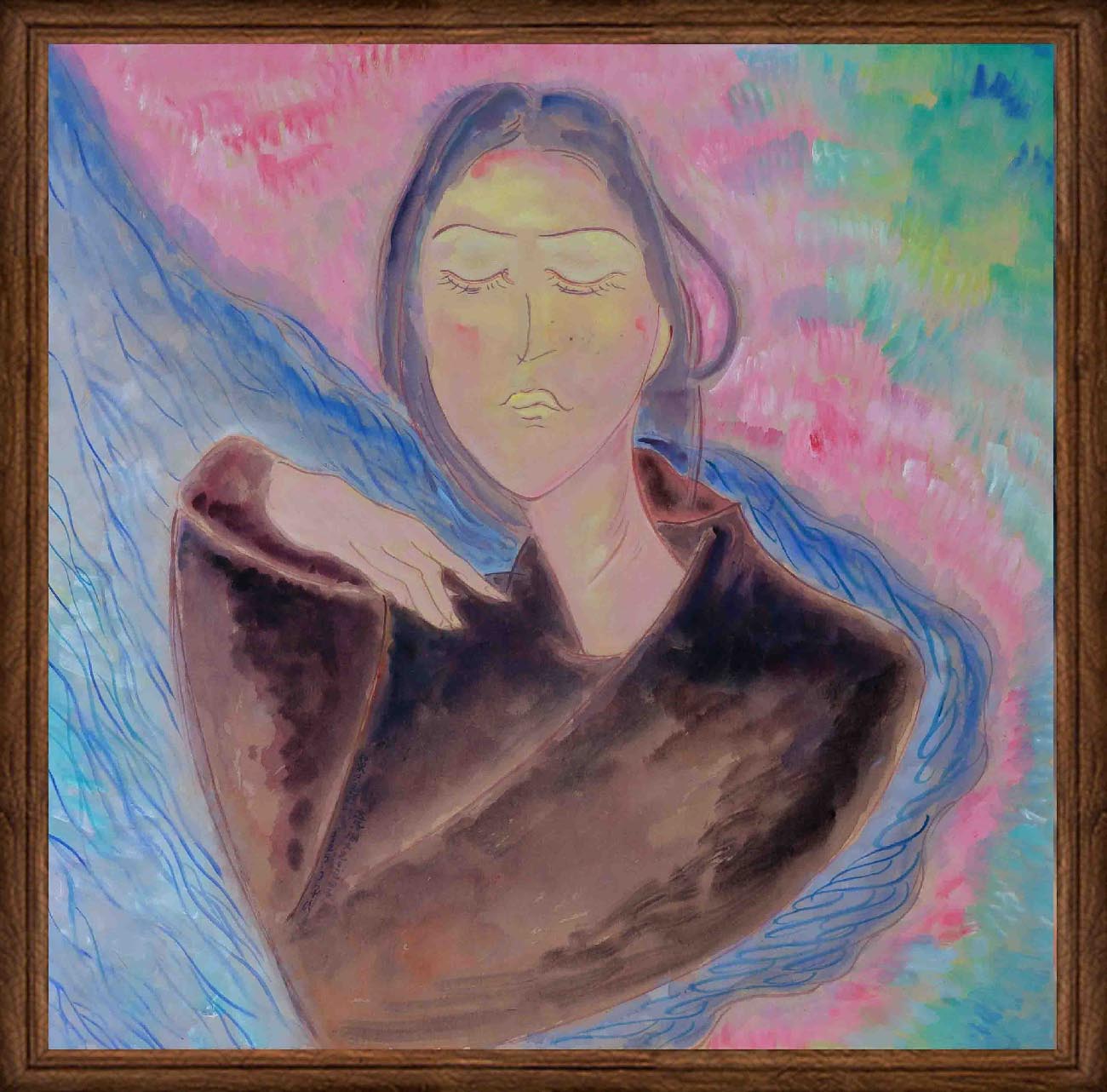
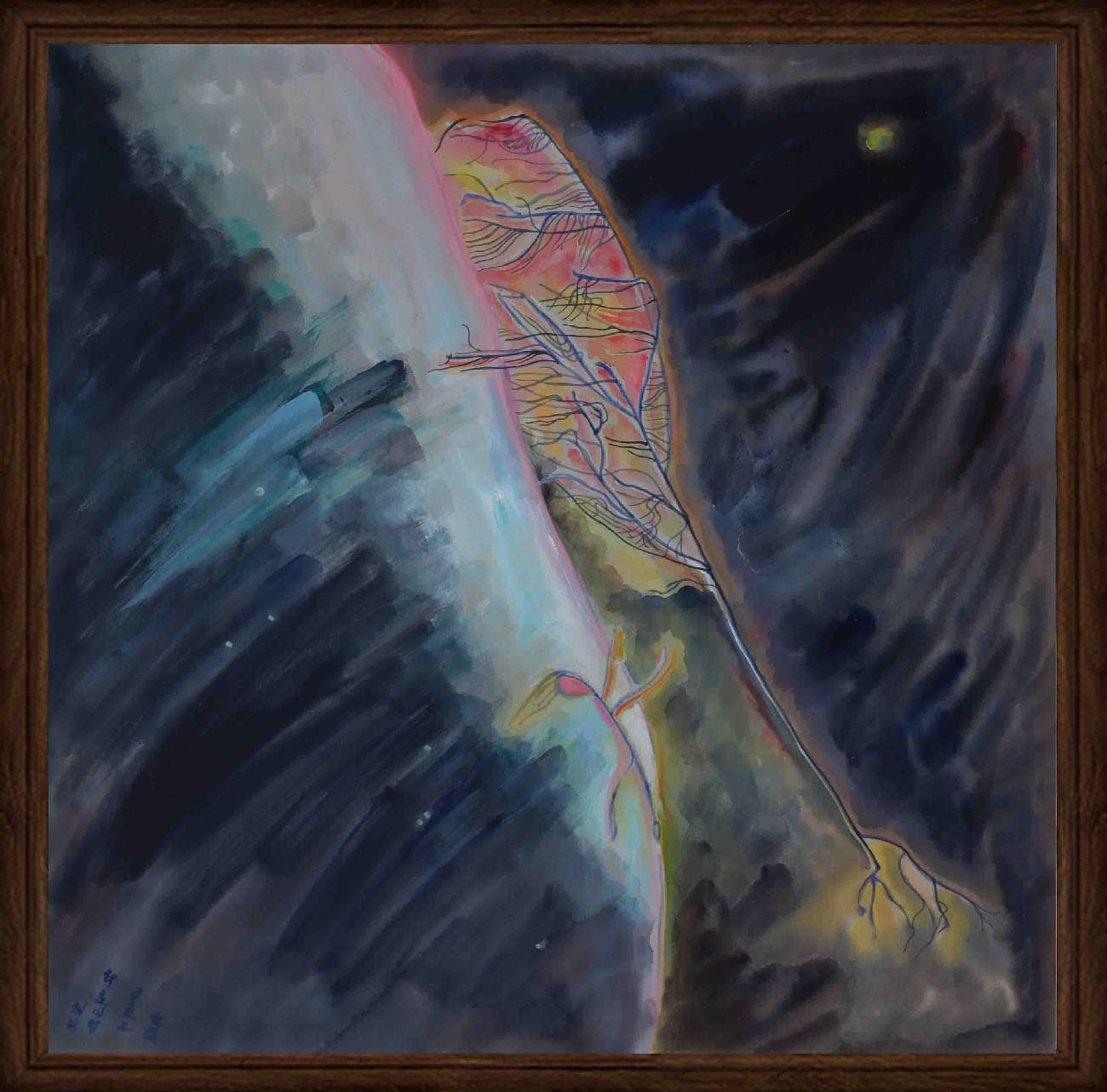
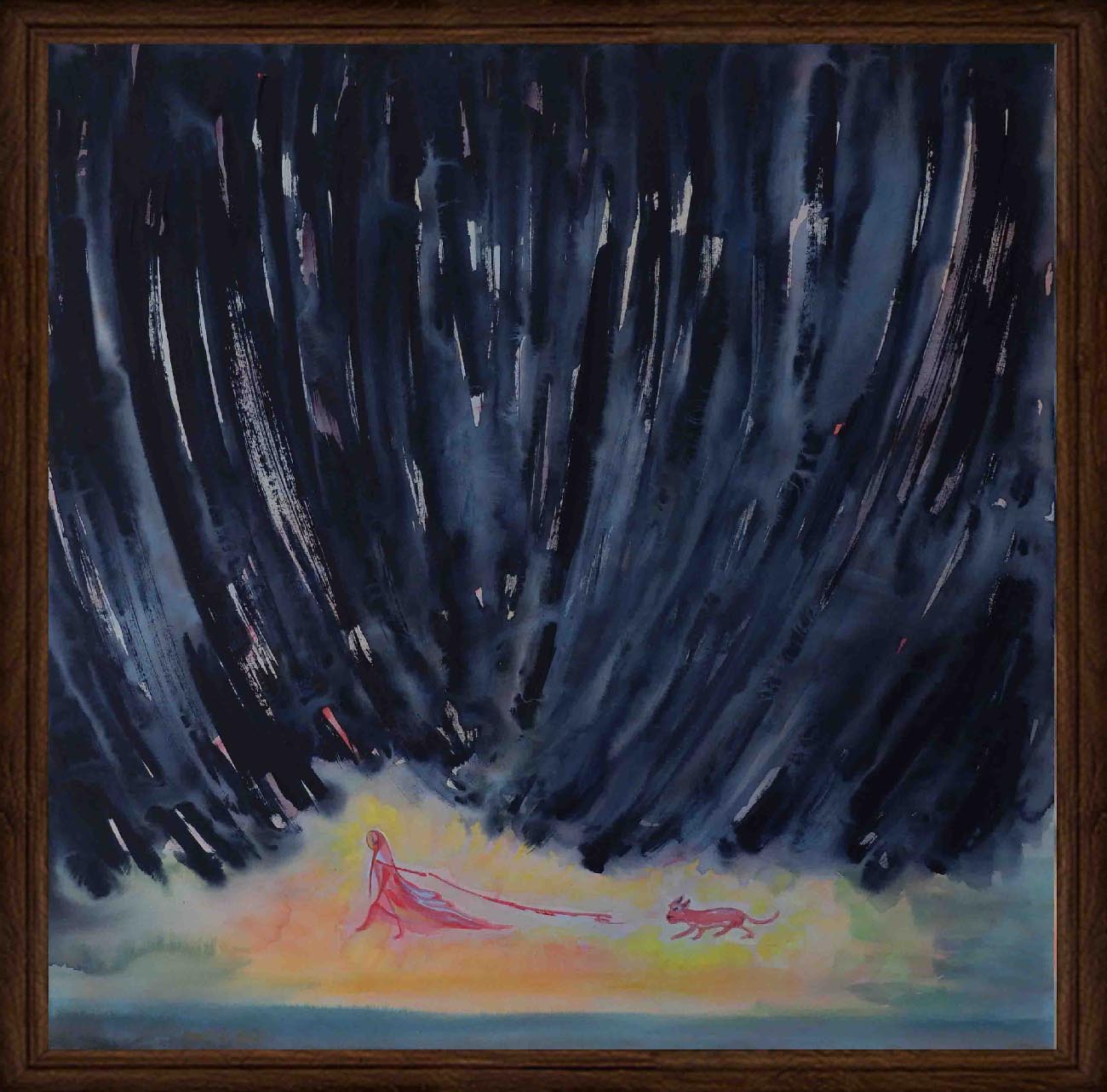
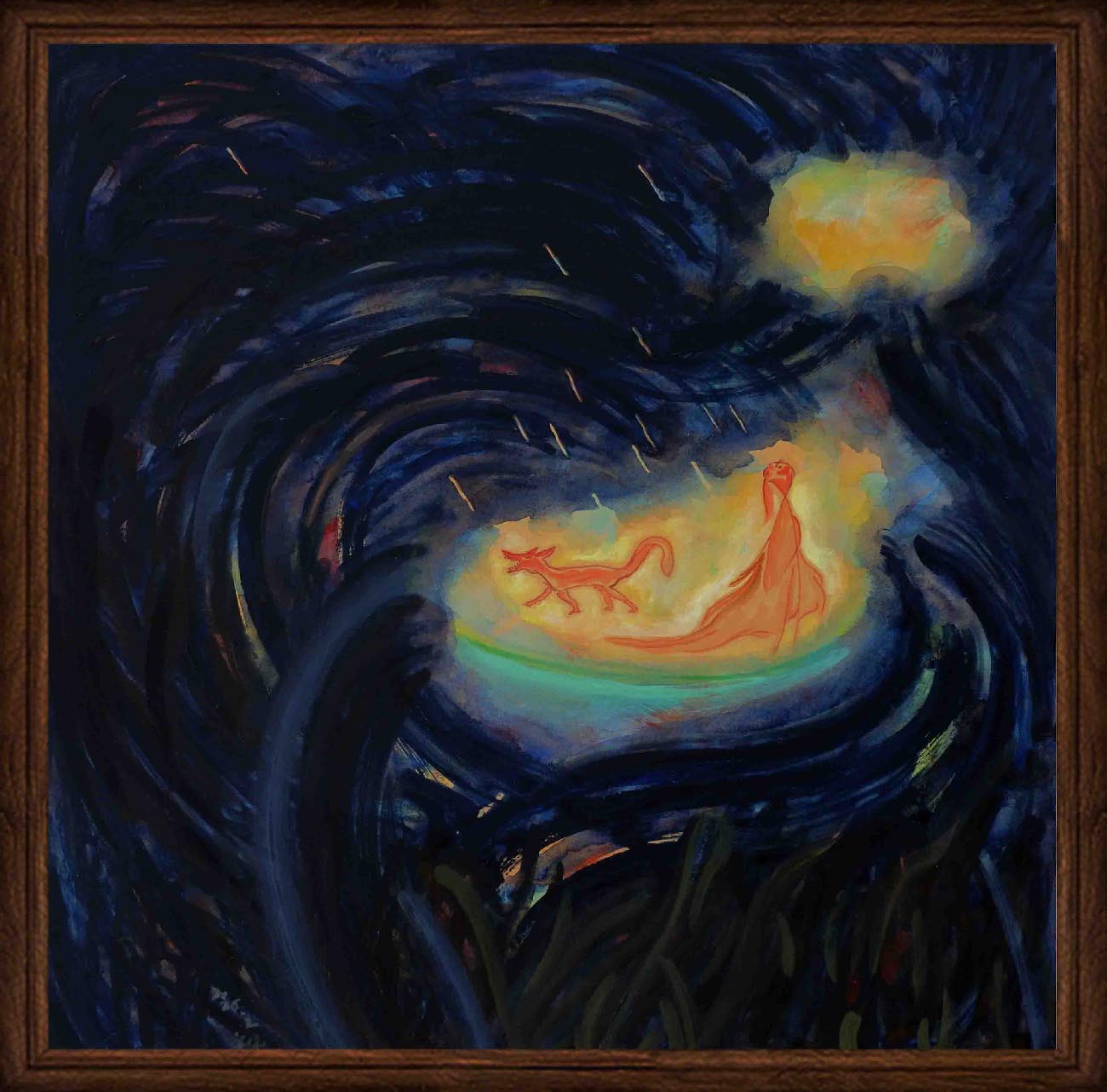
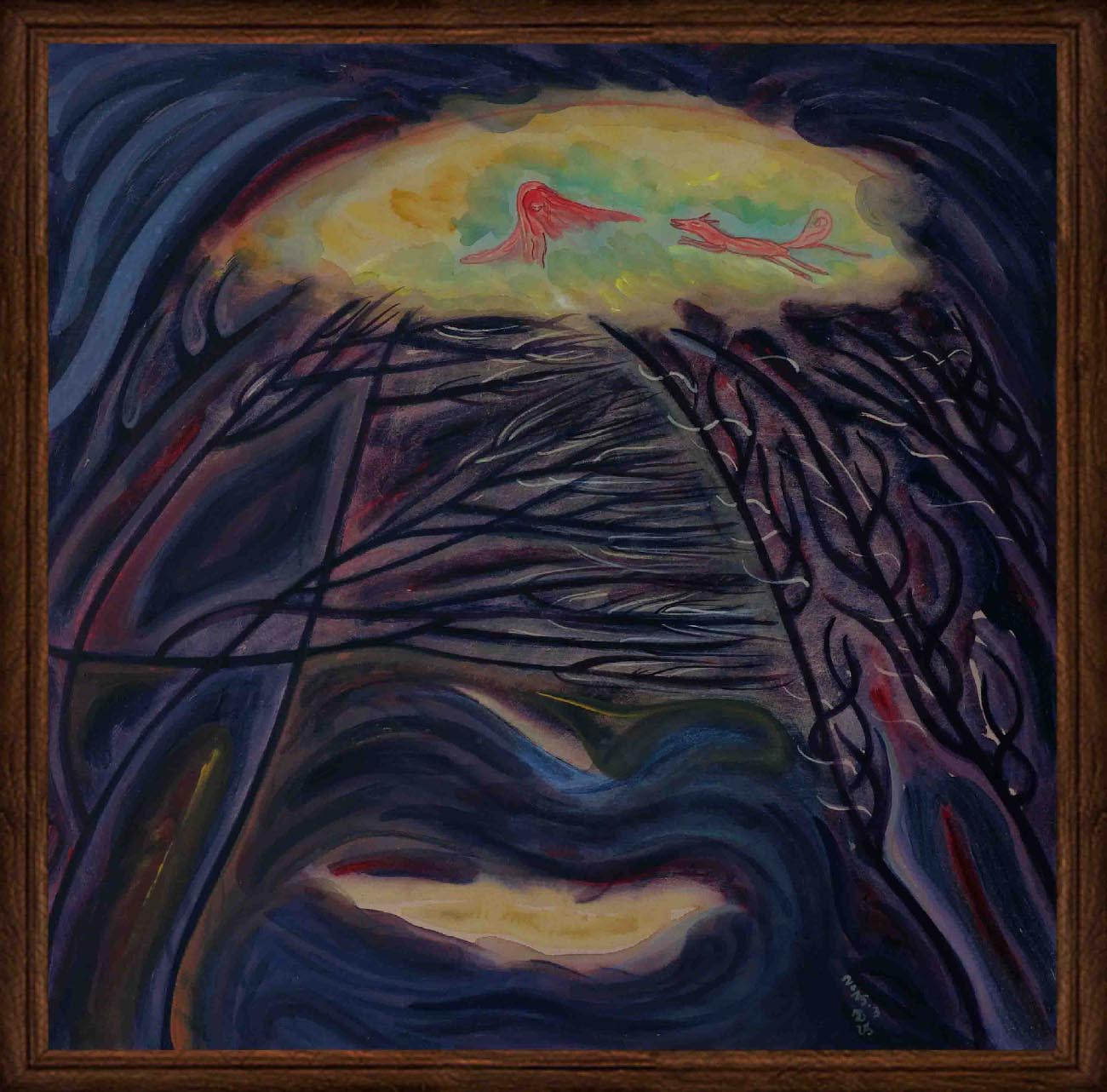
Texture is often the most overlooked element in abstract art, yet it plays a decisive role in how meaning, space, and emotion are formed. This article examines texture not as a surface effect, but as a structural and conceptual language within abstraction. By exploring material choices, abstract paint textures, spatial construction, and viewer perception, it offers a clearer framework for understanding how texture shapes both the making and the experience of abstract art.
This article reexamines modern abstraction as a spiritual rather than purely rational project. From Hilma af Klint’s mediumistic paintings to the theosophical grids of Kandinsky and Mondrian, it reveals how occult belief, institutional erasure, and canon formation shaped the true origins of abstract art.