This article explores ten essential approaches to abstract art drawing, moving beyond visual description toward material, historical, and conceptual analysis. By examining line, gesture, system, material, and spatial thinking through key artistic practices, it positions abstract drawing as an autonomous and evolving mode of inquiry—one where form, process, and meaning converge.
Drawing is the most basic act of making marks, yet in abstract art it becomes a language of form, structure, and intention. Historically, drawing was a preparatory step for finished works. In modern art, abstractionism drawing has gained autonomy, where the mark itself communicates content beyond representation.
Contemporary artists use paper, digital interfaces, sculptural gestures, and spatial compositions as drawing surfaces. Drawing no longer simply depicts—it proposes.
Abstract drawing is a practice where gesture, material, and perception converge to generate meaning.
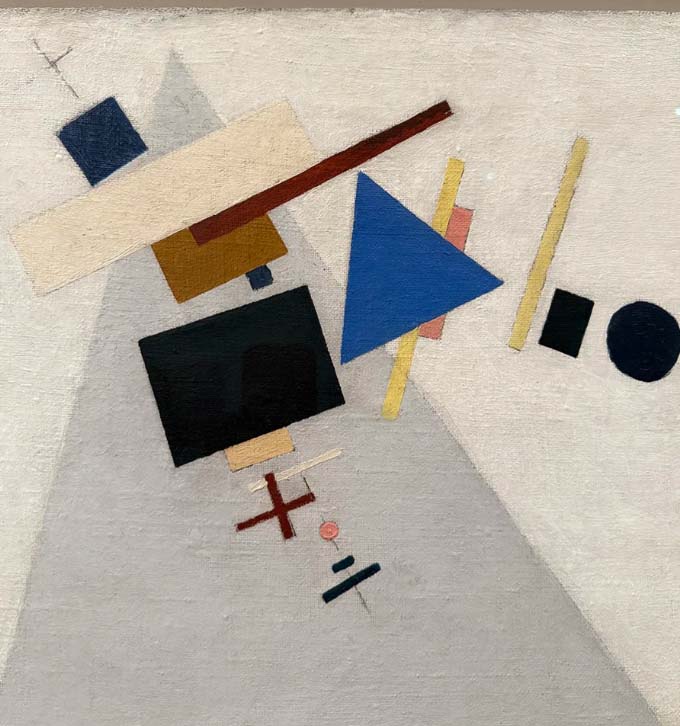
The Russian avant-garde artist Kazimir Malevich pioneered non-objective forms reduced to geometry. In his sketches, the line floats free of figuration, existing as its own structure.
Here, the line becomes a self-sufficient visual unit.
This approach remains foundational to famous abstract drawing practices where line itself is subject.
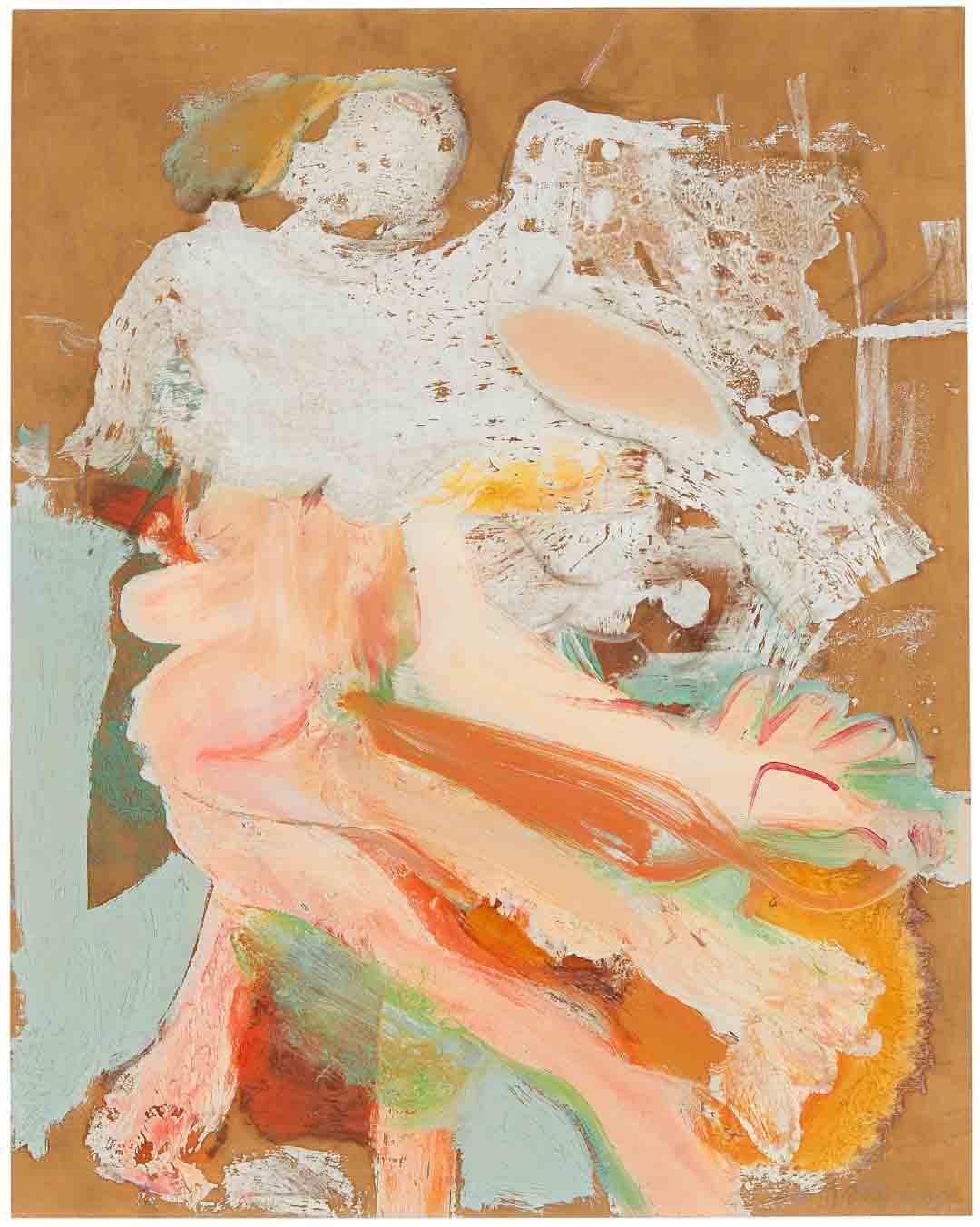
Elaine de Kooning brought physical movement into drawing. Her works reveal the tension between impulse and control, capturing the vector of motion itself.
Gesture becomes the record of action.
This informs abstract art drawing ideas that treat drawing as a performance.
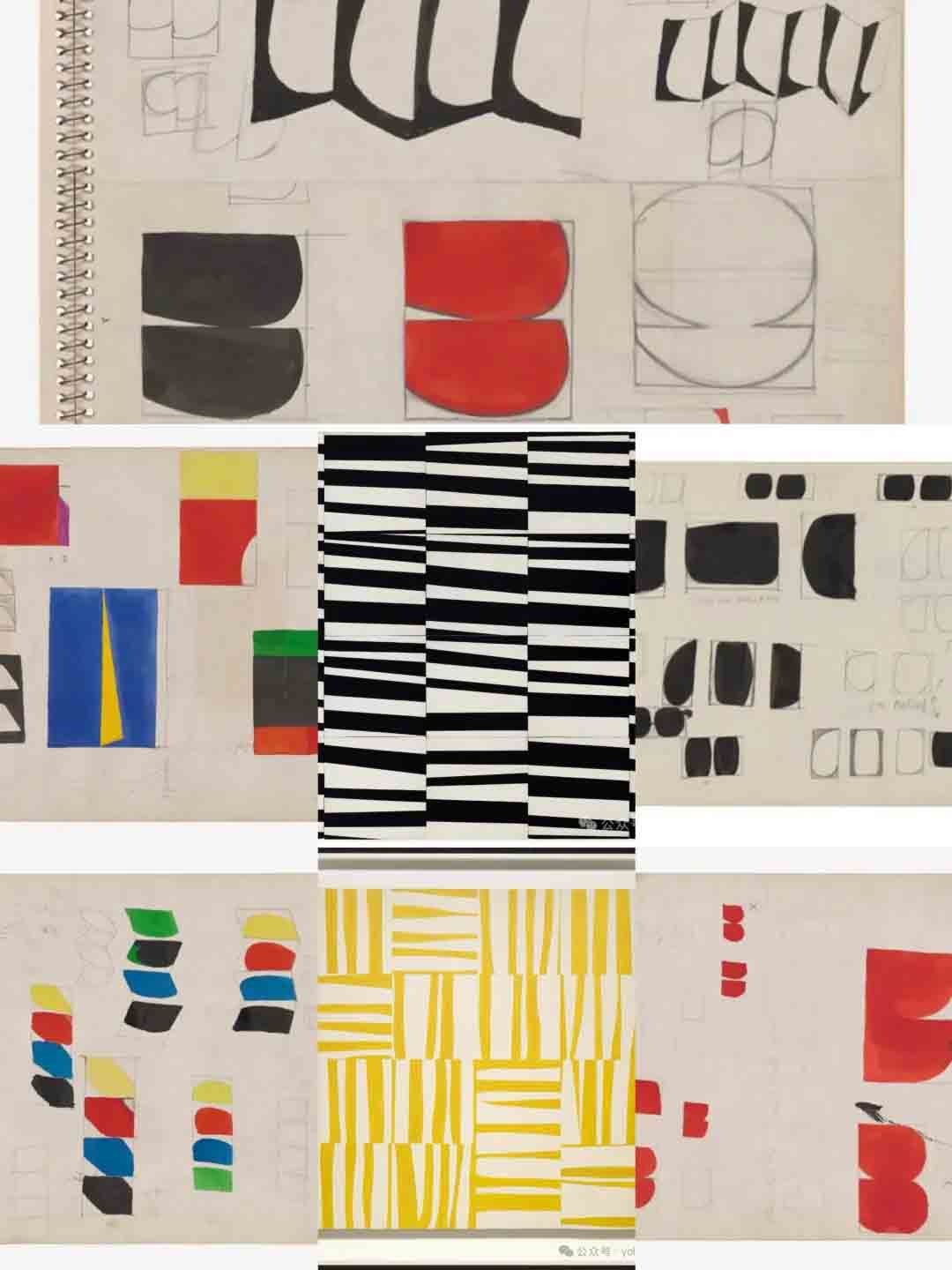
Minimalist works demonstrate how simplicity generates power. Ellsworth Kelly’s unbroken curve exemplifies how an individual stroke can define spatial relationships without ornament.
Reduction intensifies perception.
Minimal drawing resists complexity to achieve immediate presence.
Artist Donald Judd used drawing to articulate structural systems rather than expressive gesture. Lines are arranged according to predetermined logic, revealing art-making as investigation.
Drawing becomes analytical method.
This method influences digital and systems-based drawing today.
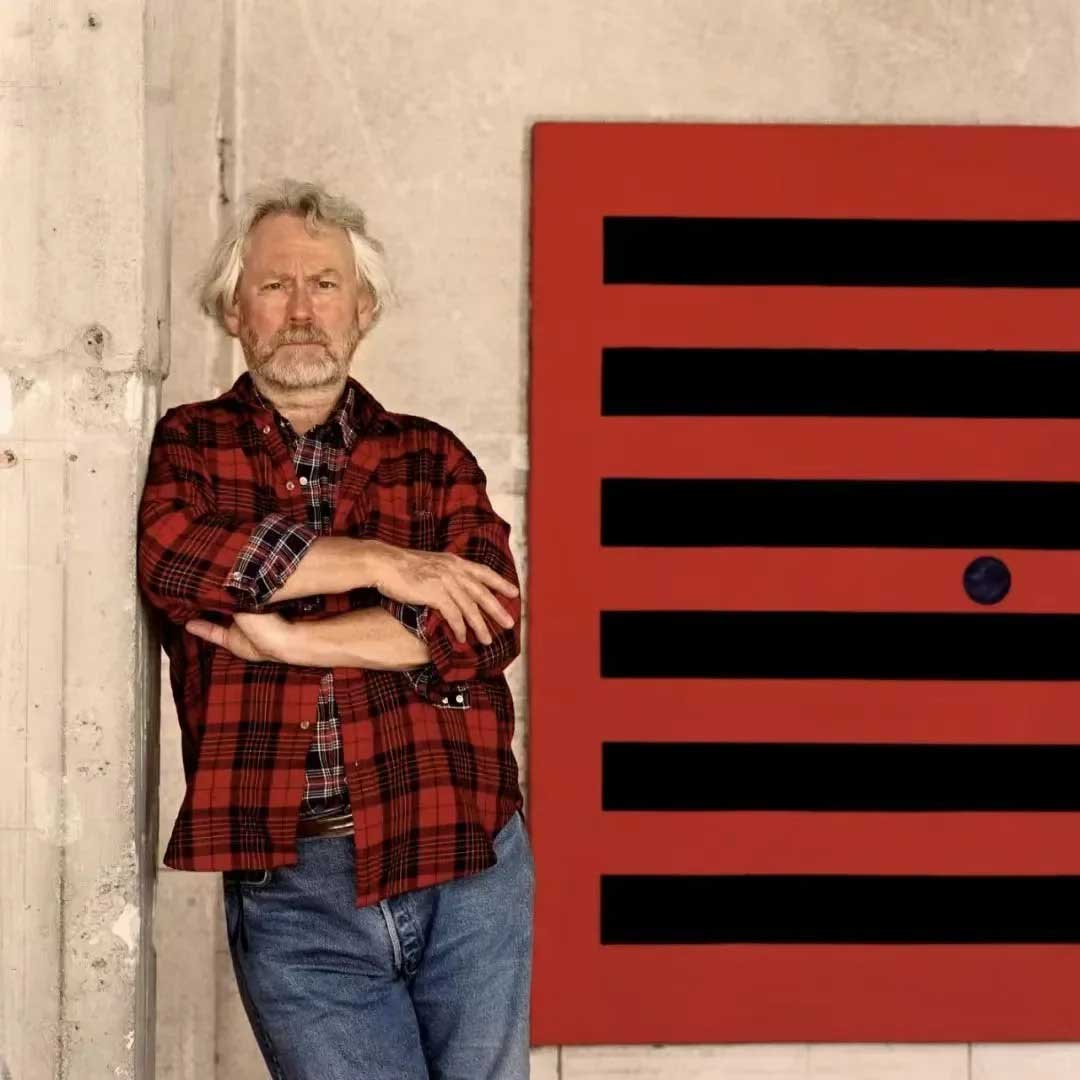
Dorothea Rockburne’s folded paper and transfer drawing show how physical manipulation directs form. The outcome is contingent on material behavior.
Material drives form.
This expands abstractionism drawing into kinetic composition.
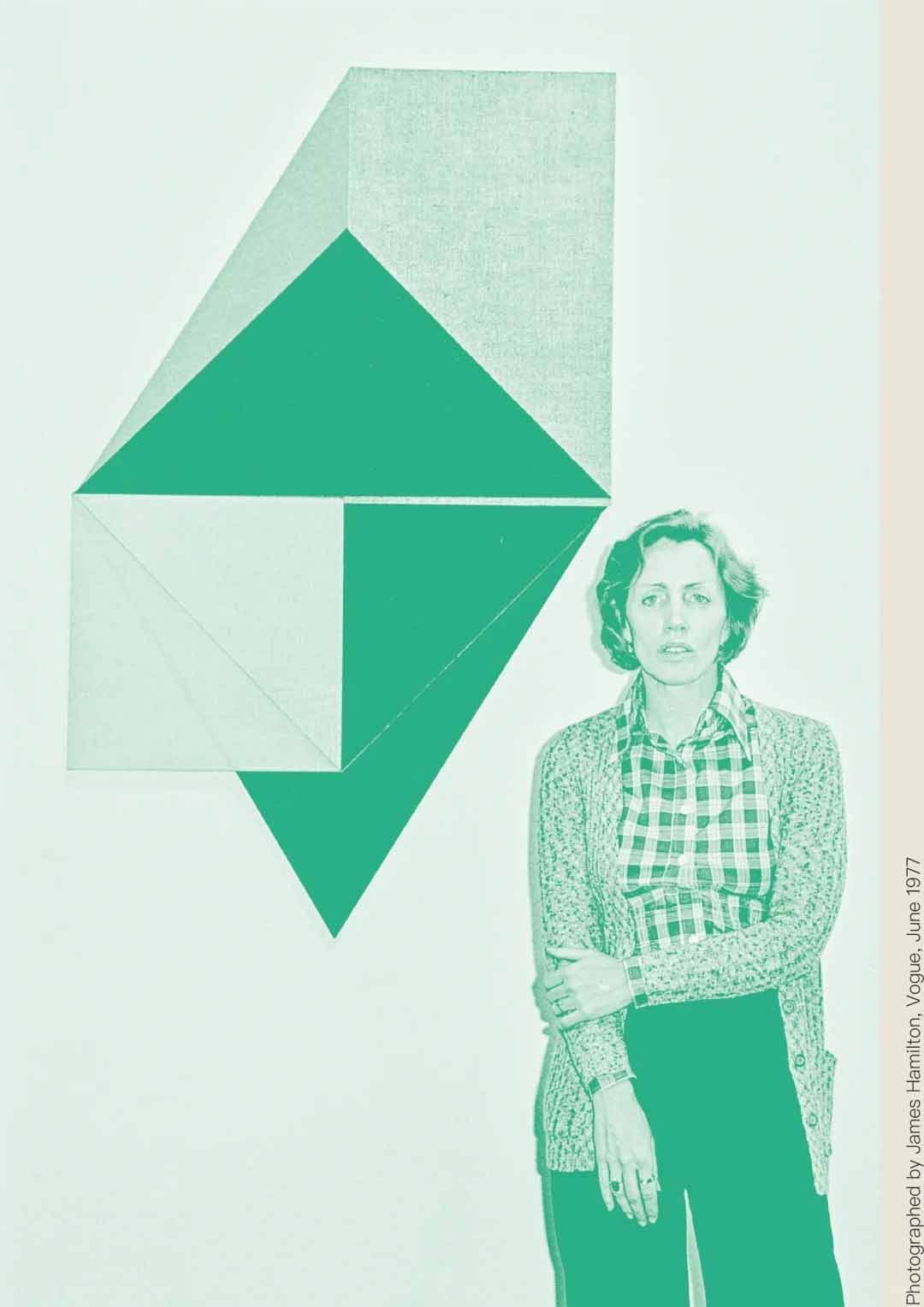
Robert Smithson’s sketches function as spatial maps. These drawings are conceptual blueprints for real-world environmental works.
Drawing becomes a laboratory for spatial thought.
This model links line to ecological and architectural concerns.
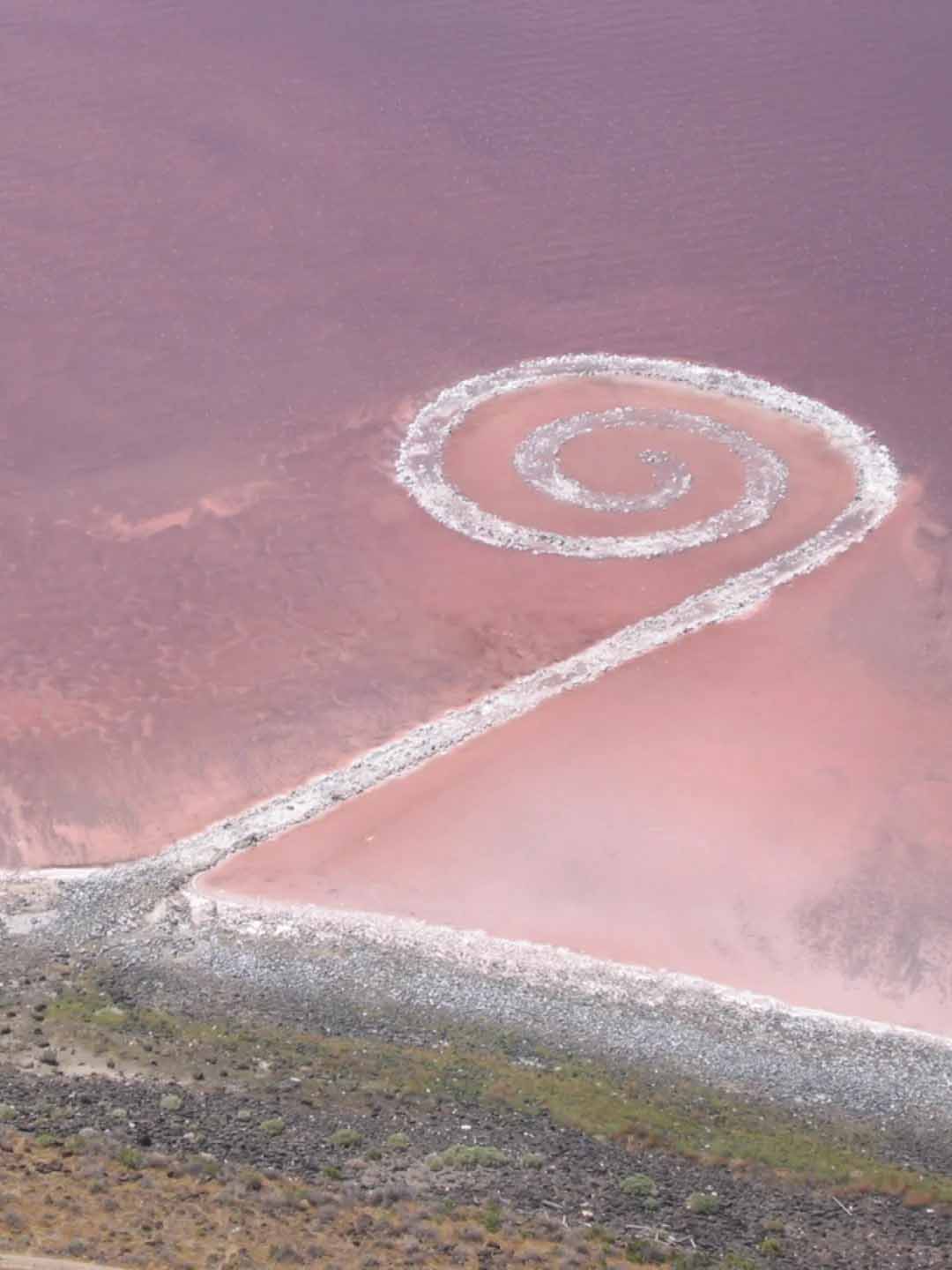
Georgia O’Keeffe drew curves that suggest natural rhythms without literal reference. Her work blurs the boundary between figurative recall and pure abstraction.
Natural forms can seed abstract language.
This bridges observational experience and abstract expression.
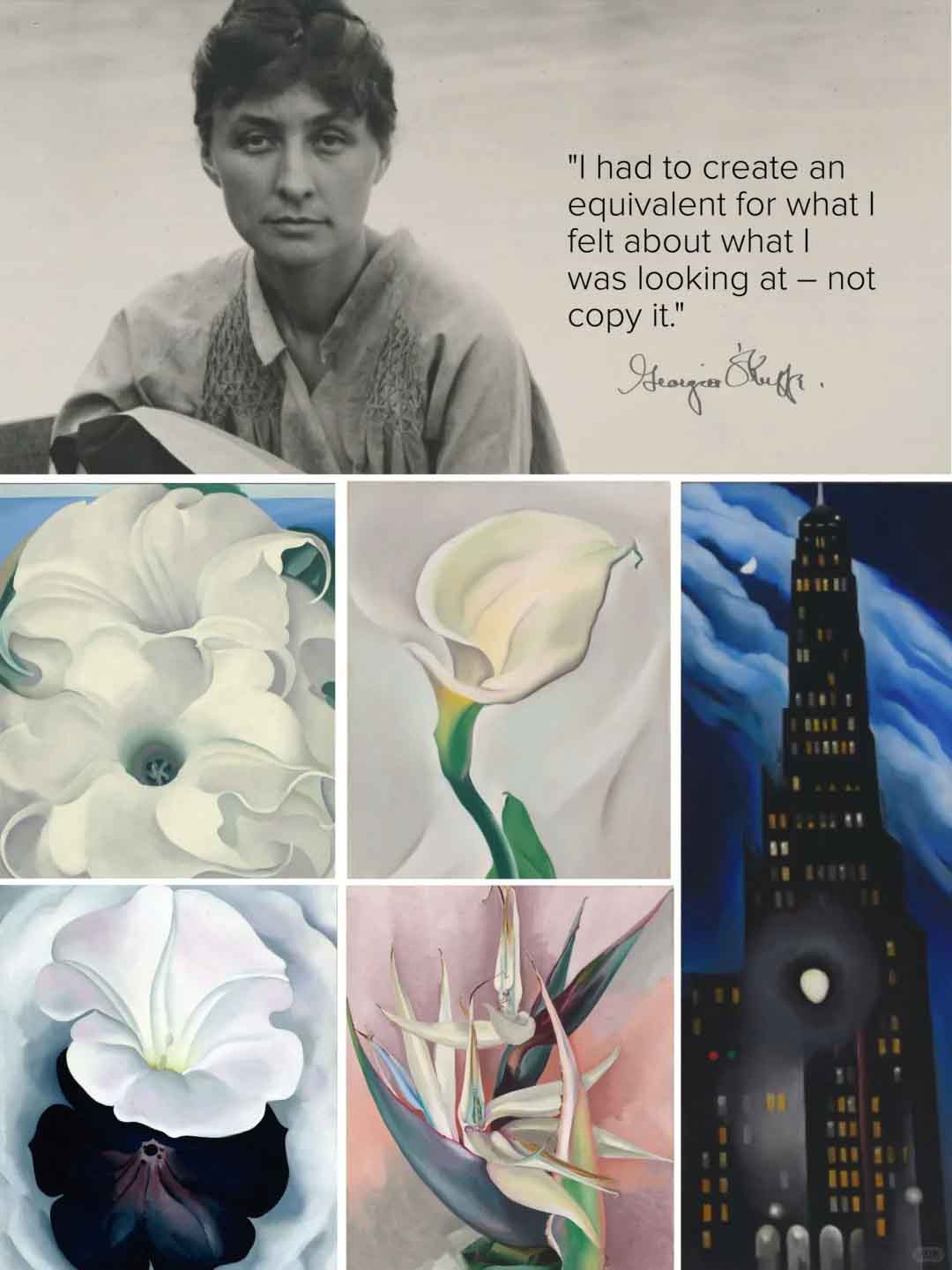
Richard Tuttle emphasizes humble materials and subtle displacements. His works invite close looking and intimacy.
Fragility becomes a formal strategy.
This perspective reorients abstract art drawing ideas toward sensory encounter.
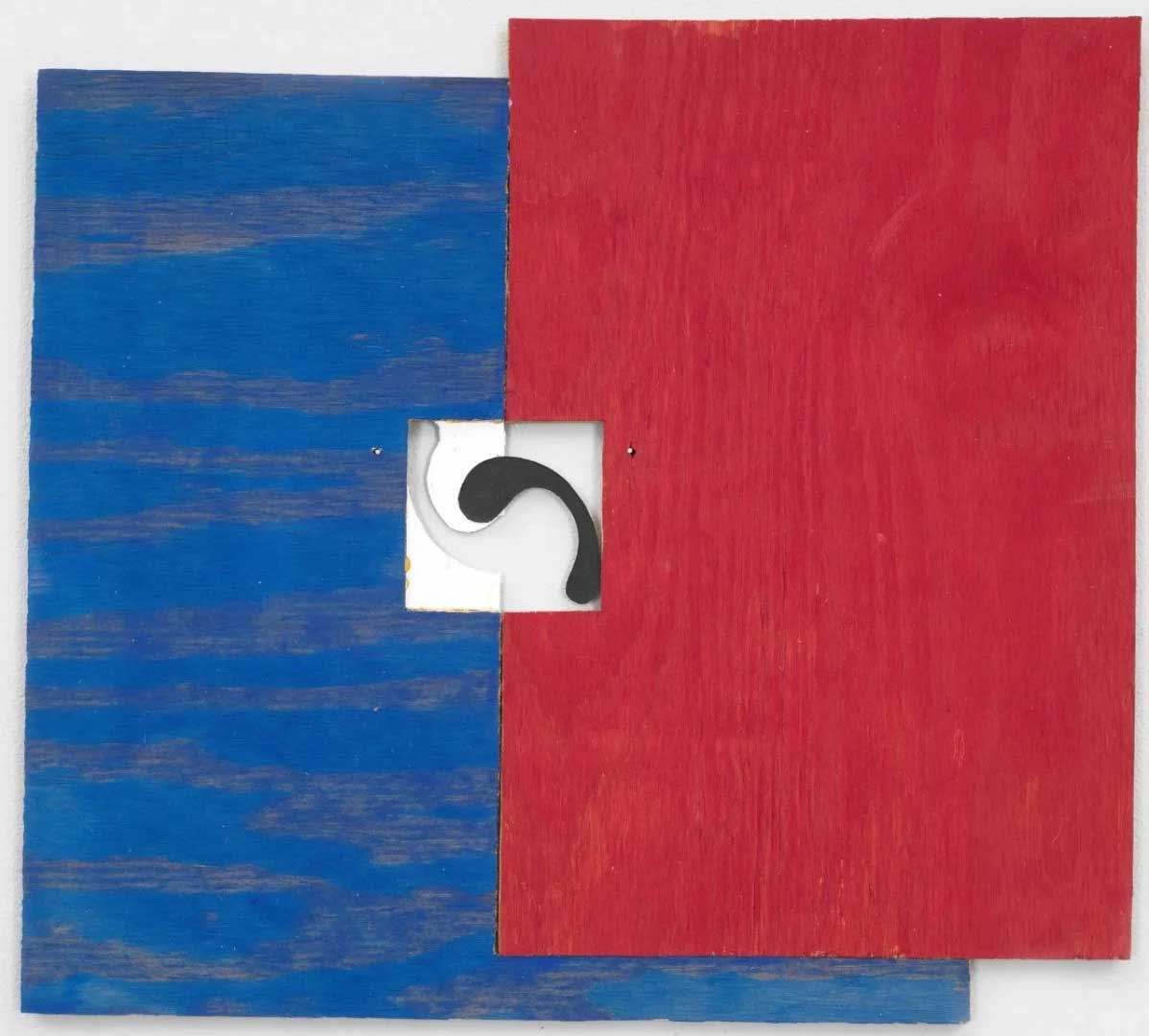
These dimensions expand the field of abstractionism drawing beyond marks on paper.
Abstract drawing is a dynamic field encompassing history, process, and conceptual rigor. Each practice described here advances abstract art drawing ideas through material choice, gesture, and experimentation. Taken together, these works illustrate why certain famous abstract drawing practices remain central to artistic thinking.
Abstract drawing remains a vital site of artistic inquiry and innovation.
artphiloso presents a body of work rooted in sustained exploration of line, surface, and spatial rhythm. The drawings and mixed-media pieces on the site reflect a commitment to abstraction as a thinking process rather than a stylistic outcome. For readers interested in how contemporary abstract drawing continues to evolve through material investigation and conceptual structure, the works on artphiloso offer a focused and coherent perspective aligned with the ideas discussed above.
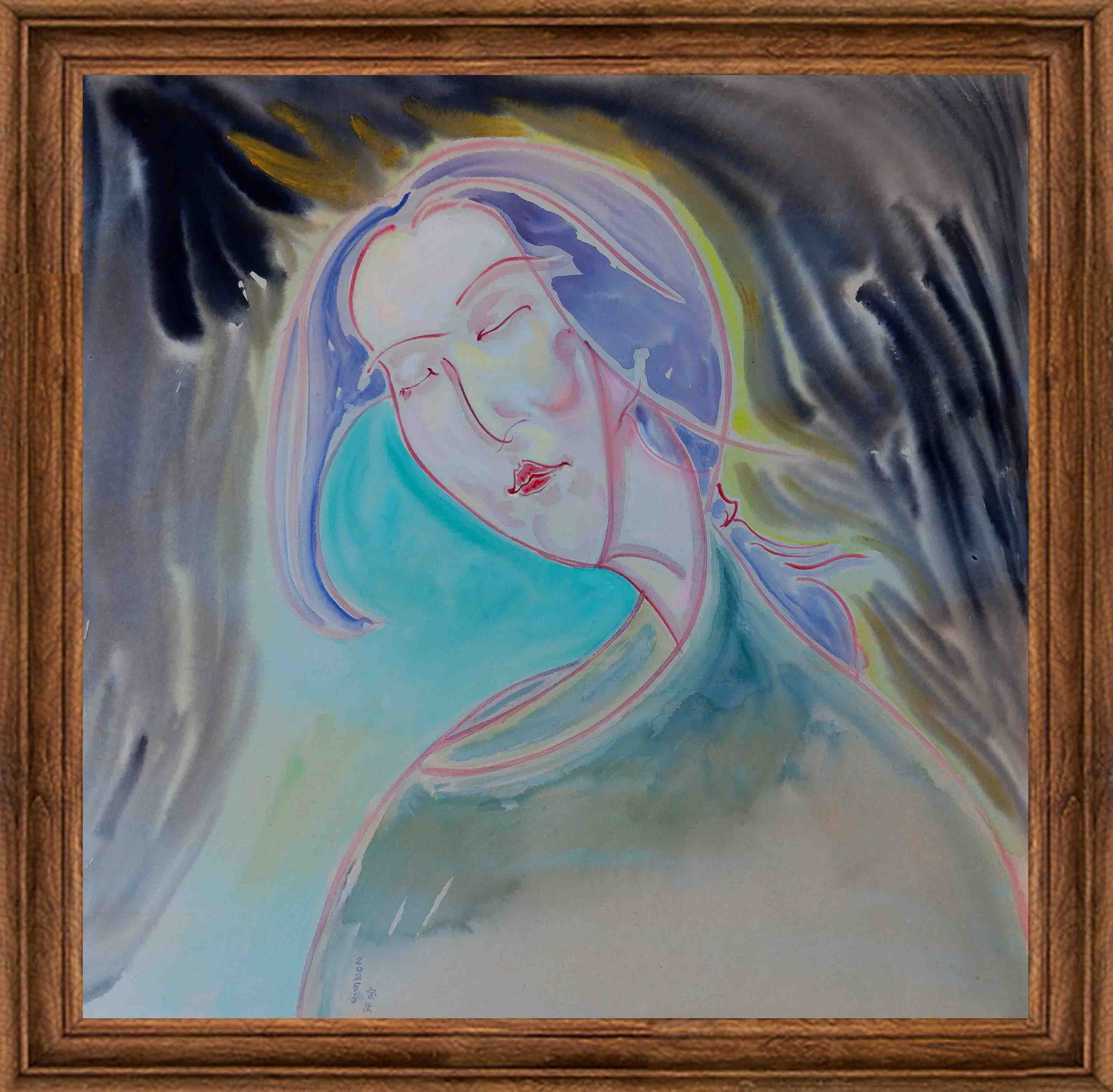
Hi, I’m Philo, a Chinese artist passionate about blending traditional Asian art with contemporary expressions. Through Artphiloso, my artist website, I share my journey and creations—from figurative painting and figure painting to floral oil painting and painting on landscape. You'll also find ideas for home decorating with paint and more.
1. What distinguishes abstract drawing from abstract painting?
Abstract drawing prioritizes line, mark, and surface interaction, often with minimal color and emphasis on process rather than layered pigment.
2. Can abstract drawing be digital?
Yes. Digital tools extend traditional mark-making while preserving the core principles of line, rhythm, and composition.
3. Is abstract drawing always non-representational?
Not necessarily. Many works reference natural or architectural forms while remaining non-literal.
4. What skills matter most in abstract drawing?
Observation, material sensitivity, and compositional awareness matter more than technical realism.
5. How do contemporary artists develop abstract art drawing ideas?
Through experimentation with process, systems, and interdisciplinary research.