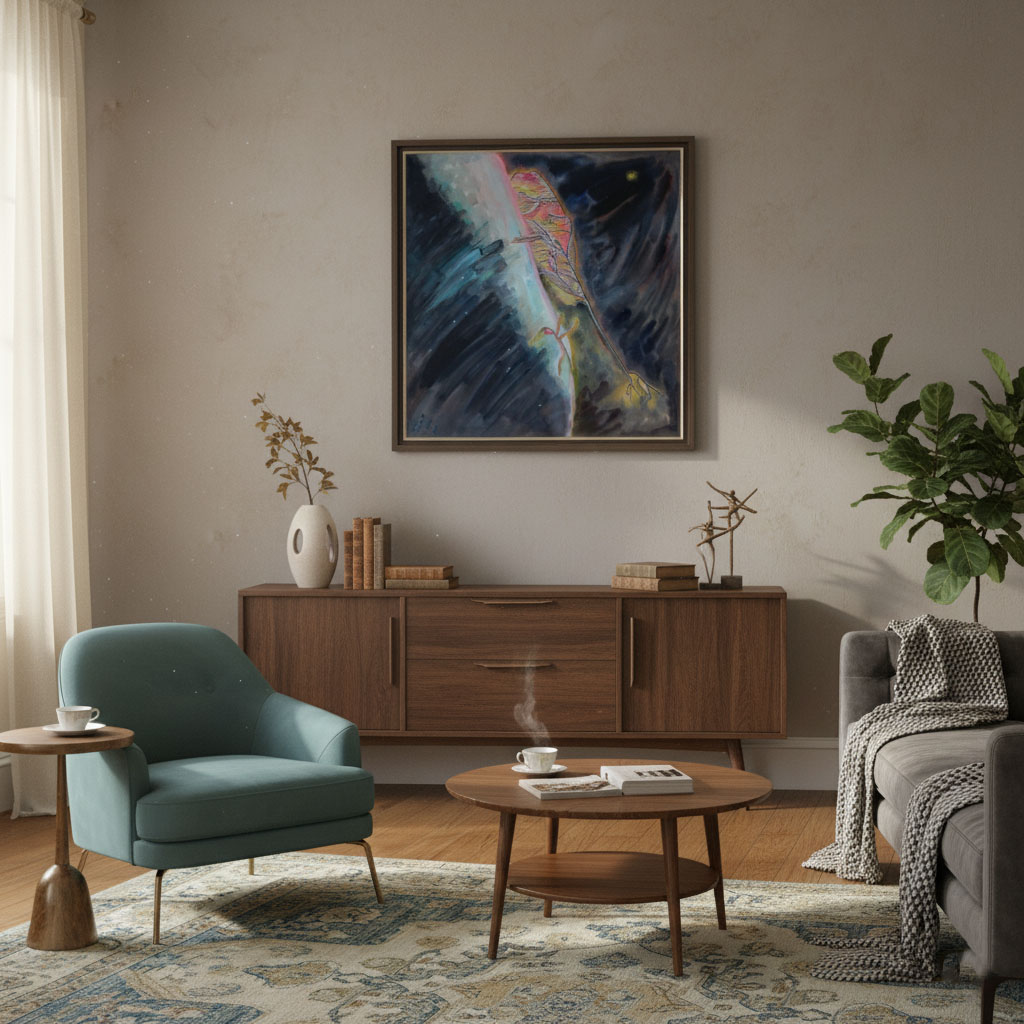
Abstract Expressionism marked a decisive shift in modern art, relocating its center from Europe to the United States while redefining how painting could generate meaning. Emerging in New York during the 1940s and early 1950s, the movement rejected representation in favor of scale, gesture, and material presence. Rather than forming a unified style, it brought together artists who shared a belief in painting as an open-ended act.
Abstract Expressionism functioned as a shared attitude toward making art rather than a fixed visual language.
The abstract expressionist movement developed in the aftermath of World War II, shaped by political uncertainty, intellectual migration, and the search for cultural authority. Many artists drew on European modernism, Surrealist automatism, and postwar philosophy while responding to the specific conditions of American urban life.
Critical debate unfolded through exhibitions, studios, and publications such as ARTnews, where questions of intention, scale, and artistic freedom were actively contested.
The movement defined meaning through action and decision rather than imagery.
Clyfford Still pursued abstraction as an ethical position rather than a stylistic experiment. His fractured color fields resist compositional balance, emphasizing rupture and intensity. Still rejected the social networks of the New York art world and tightly controlled the display of his work.
Today, his legacy is preserved through the Clyfford Still Museum, which presents his paintings as a continuous philosophical project rather than isolated objects.
Still transformed abstraction into a site of confrontation rather than harmony.
Jackson Pollock expanded the physical boundaries of painting by working on canvases placed on the floor. His drip technique emphasized rhythm, gravity, and bodily movement, producing dense visual fields that dissolve traditional figure-ground relationships.
Institutions such as The Museum of Modern Art have framed Pollock’s work as a turning point in twentieth-century art, separating spontaneity from randomness.
Pollock made motion itself a structural element of painting.
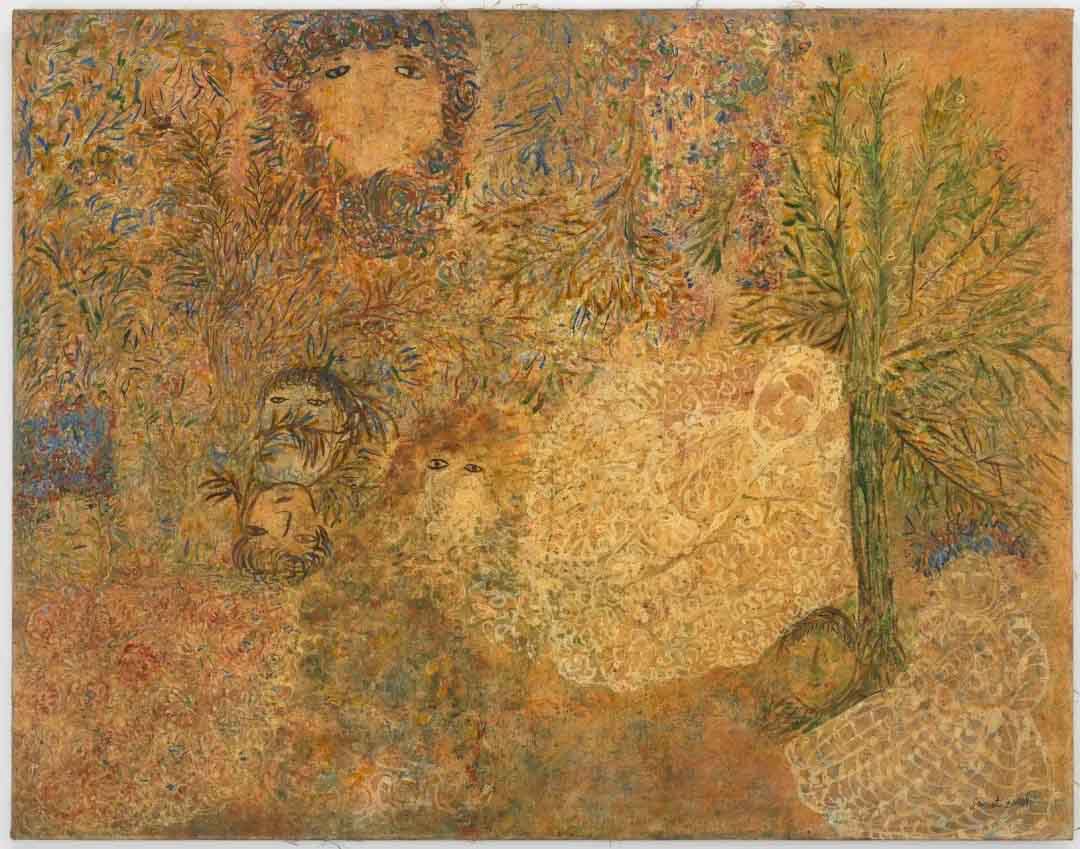
Janet Sobel developed all-over compositions using poured enamel paint before such methods became widely recognized. Her work challenged conventional ideas of authorship and control, though it received limited attention during her lifetime.
Recent historical reassessment has repositioned her as an essential contributor to early abstract experimentation.
Sobel’s practice reveals how innovation often precedes visibility.
Willem de Kooning resisted strict definitions of abstraction, moving between figurative references and gestural paint handling. His work retained traces of the body while destabilizing representation through aggressive brushwork.
Major museum collections have emphasized his role in maintaining ambiguity within abstract painting.
De Kooning treated abstraction as a process of continual negotiation.
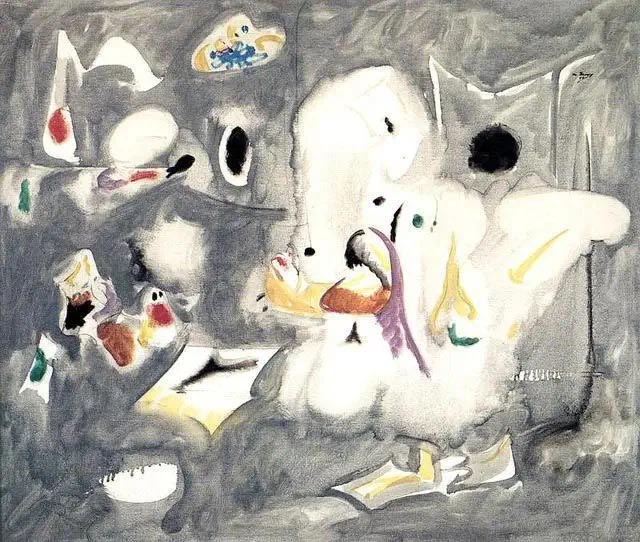
Arshile Gorky connected European modernism with emerging American abstraction. Drawing from memory and landscape, his work blended biomorphic forms with emotional intensity, influencing younger artists seeking alternatives to strict formalism.
Gorky positioned abstraction as a vehicle for memory rather than denial.
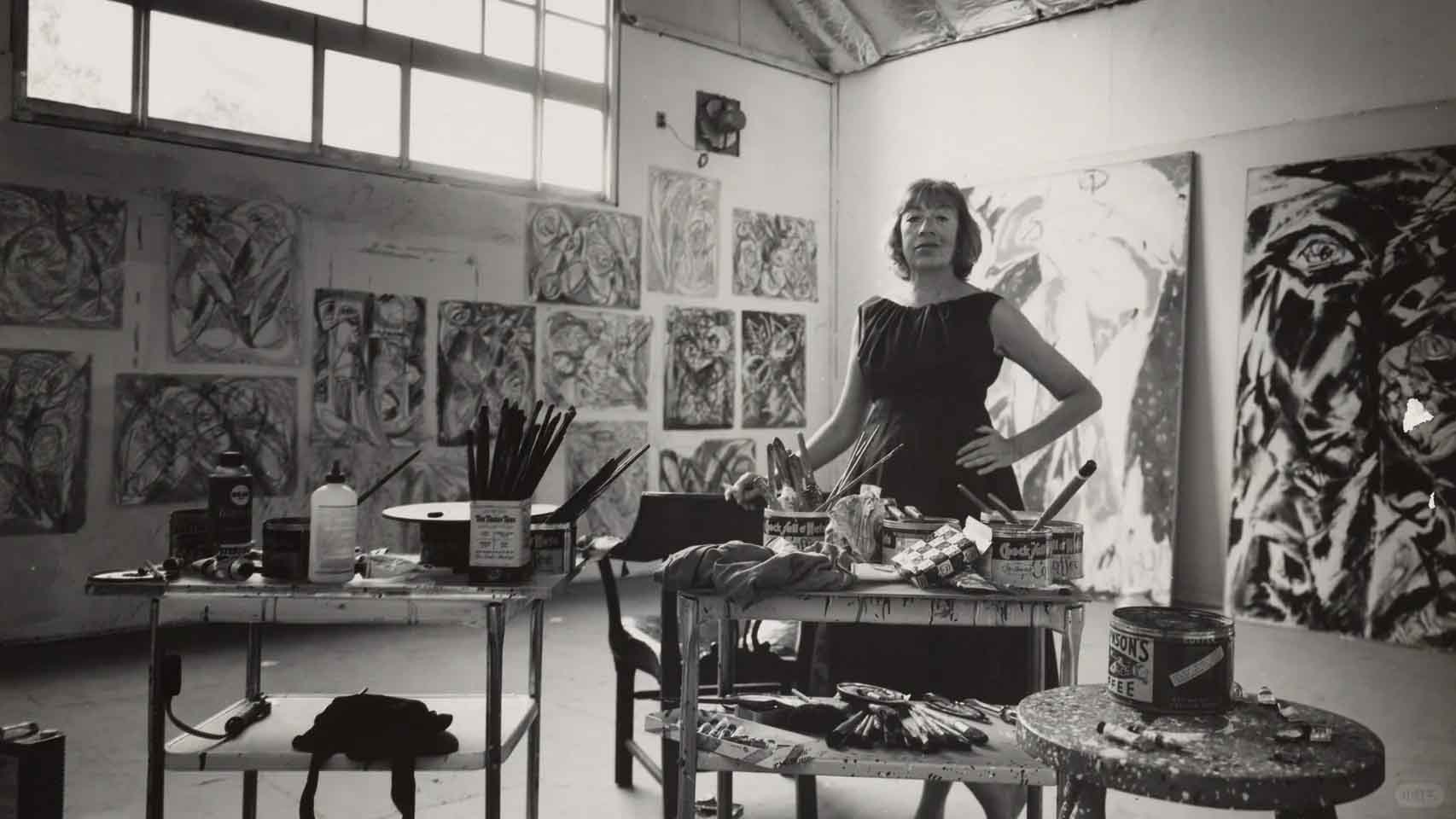
Lee Krasner brought formal discipline and compositional awareness to abstract expressionism. Her paintings evolved through collage, scale shifts, and bold color relationships, reflecting sustained experimentation.
Institutional reassessment has increasingly foregrounded her independent contribution to the movement.
Krasner demonstrated that abstraction could be both rigorous and adaptive.
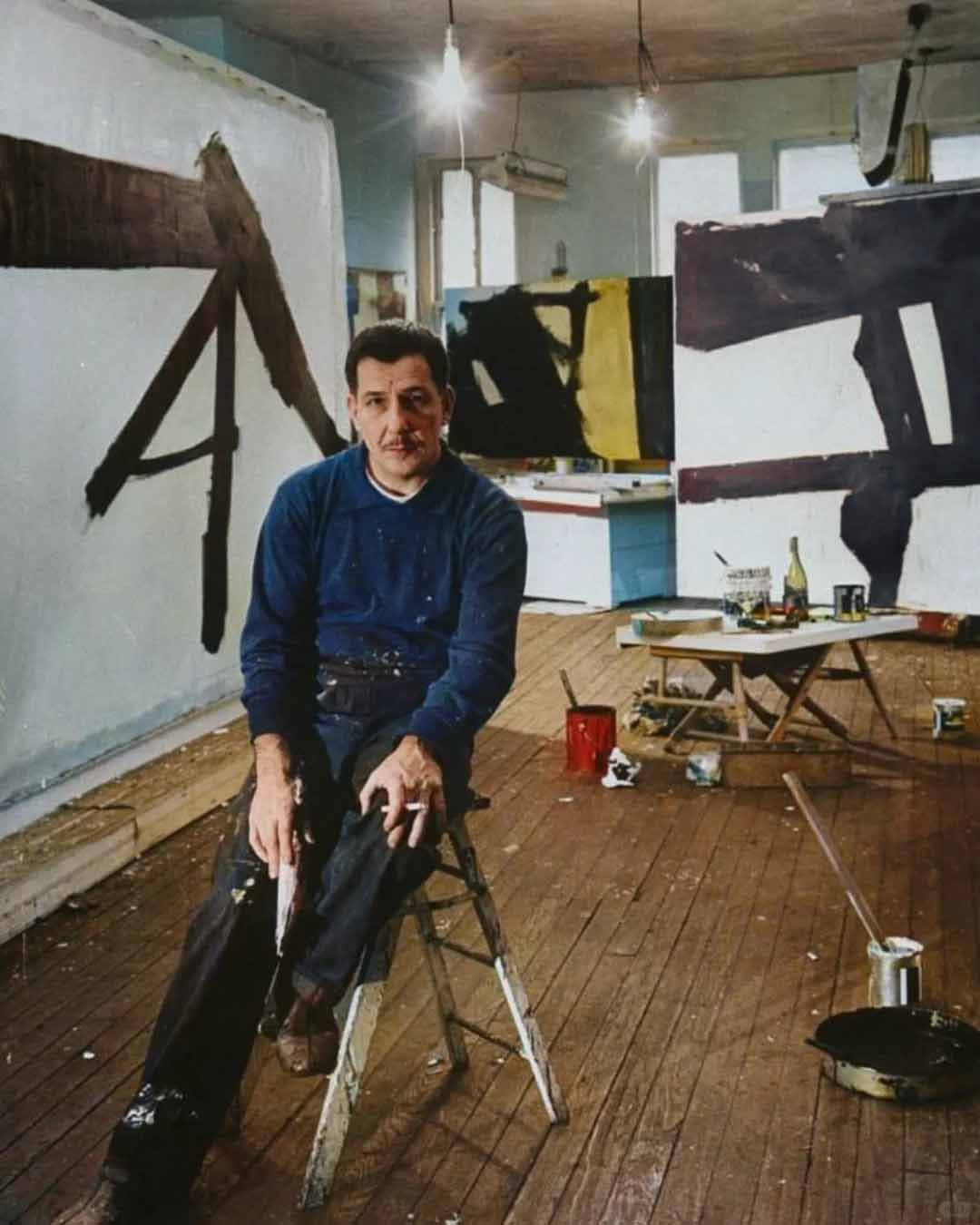
Franz Kline’s large-scale black-and-white paintings reduced gesture to stark contrasts and structural force. Though visually immediate, his compositions were often derived from carefully developed sketches.
Kline showed how reduction could amplify expressive impact.
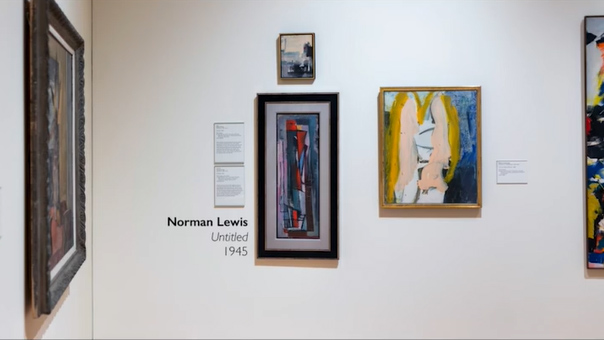
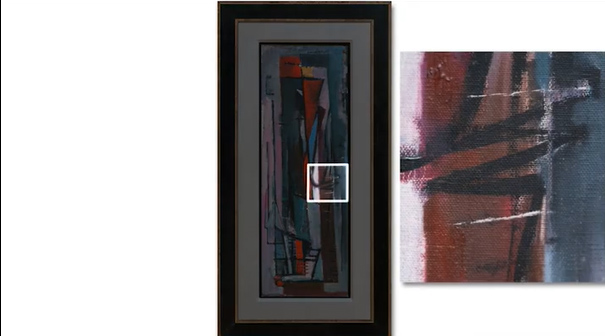
Norman Lewis integrated abstract form with social consciousness, producing works that evoke movement and collective presence without direct representation. His position within the movement exposes long-standing exclusions in art historical narratives.
Lewis expanded abstraction’s capacity to engage lived experience.
Robert Motherwell approached abstraction through intellectual inquiry, combining philosophical reflection with restrained painterly language. His Elegies to the Spanish Republic linked abstraction with historical memory.
Motherwell articulated abstraction as both conceptual and emotional labor.
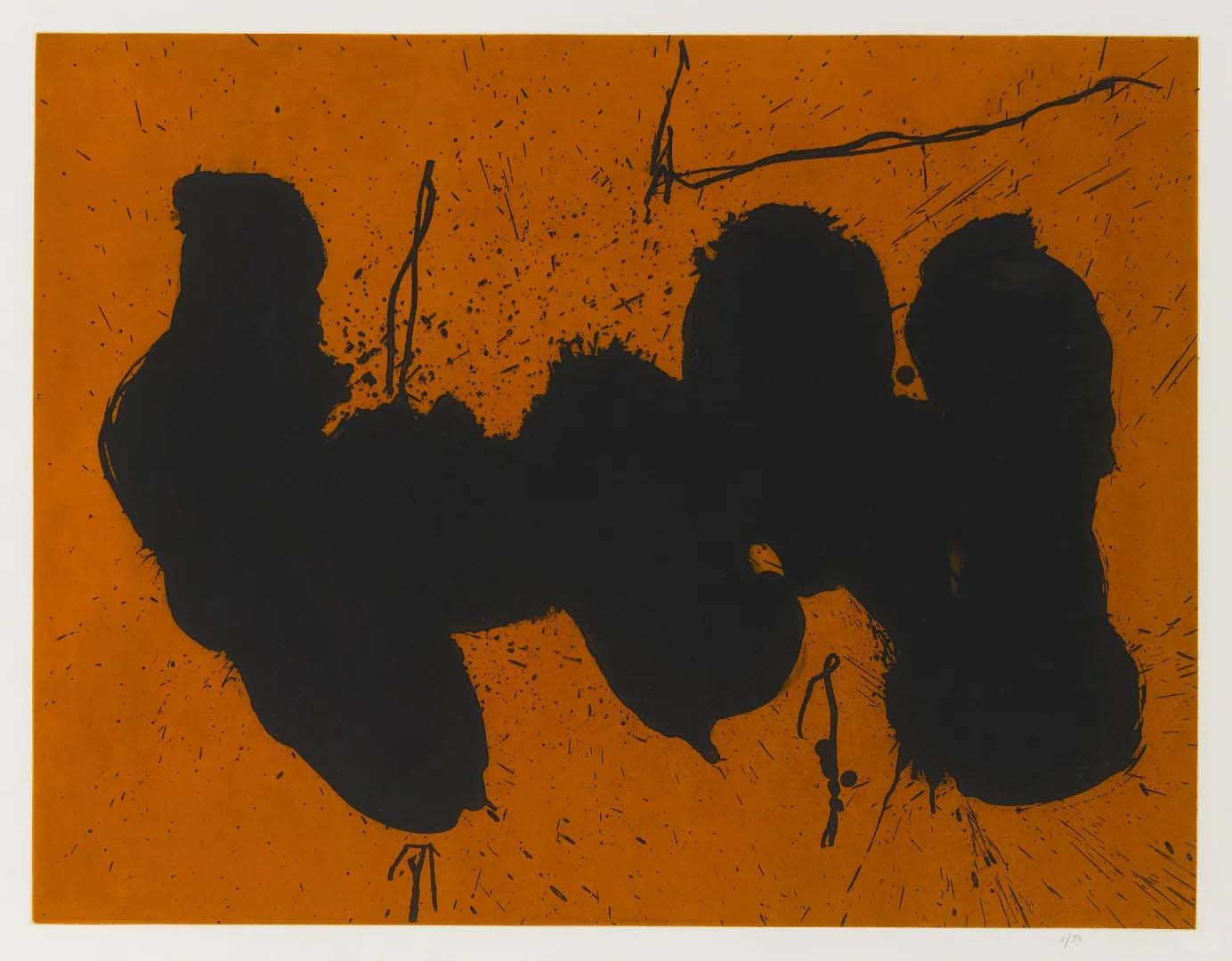
Traditional accounts of abstract expressionism often reduce the movement to a narrow set of personalities and techniques. Such narratives overlook internal disagreement, diversity of background, and institutional influence.
A broader framework restores complexity and contradiction to the movement.
Abstract expressionism reshaped global perceptions of American art and influenced subsequent movements from Color Field painting to contemporary gestural abstraction. Its emphasis on scale, process, and presence remains influential.
The movement endures as a model for artistic risk and autonomy.
Hi, I’m Philo, a Chinese artist passionate about blending traditional Asian art with contemporary expressions. Through Artphiloso, my artist website, I share my journey and creations—from figurative painting and figure painting to floral oil painting and painting on landscape. You'll also find ideas for home decorating with paint and more.