Value in art refers to the relative lightness or darkness of a color or tone. It is one of the fundamental building blocks of visual language and stands alongside line, shape, form, color, texture, and space as a primary element of art value.
Rather than describing price or market worth, value describes tonal relationships. These relationships allow artists to suggest volume, create contrast, establish mood, and organize visual hierarchy within an image.
Value in art provides the structural foundation that allows images to communicate depth, emphasis, and atmosphere.
A clear definition for value in art is the placement of tones along a spectrum that ranges from pure white to pure black. This spectrum is often visualized through a value scale, where incremental steps show transitions between light and dark.
Value operates independently of hue. A bright red and a dark blue can share similar values even though they appear visually different.
Value describes tonal relationships, not color identity.
(Reference concept: Tate – Value (Art Term))

Human vision recognizes contrast before it recognizes color. The eye naturally seeks areas of light against dark or dark against light. Value therefore becomes the primary driver of visual attention.
High-contrast areas are perceived as dominant. Low-contrast areas function as visual support.
Value shapes how the eye navigates an image before meaning is interpreted.
Value is essential for creating the illusion of three-dimensional form on a two-dimensional surface. Gradual transitions from light to shadow suggest curvature, weight, and mass.
A form can be convincingly described through tonal modeling even when contours are minimal.
Value transforms flat shapes into believable forms.
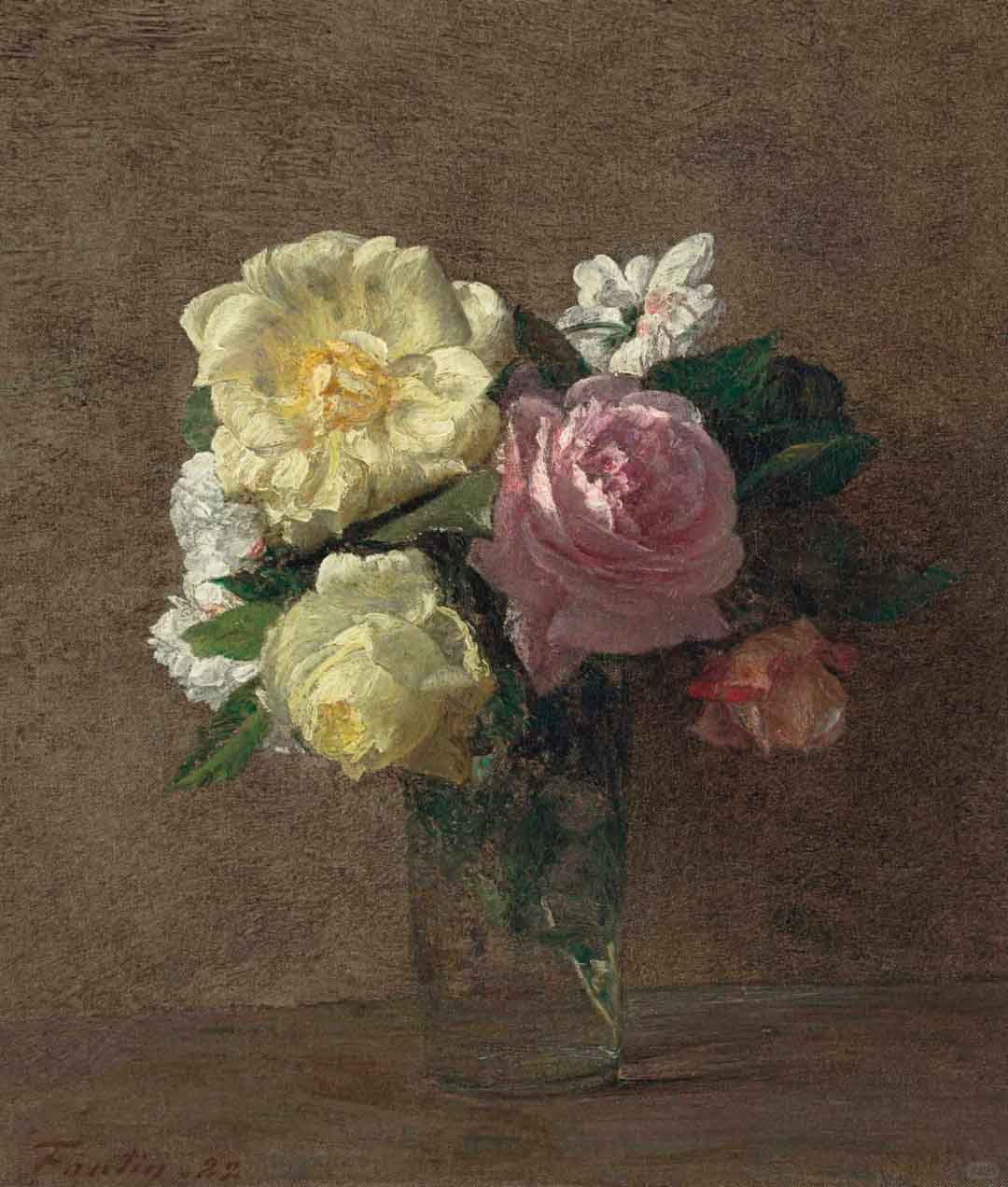
Artists use value to construct depth by arranging tones across pictorial space.
Value organizes spatial hierarchy and perceived distance.
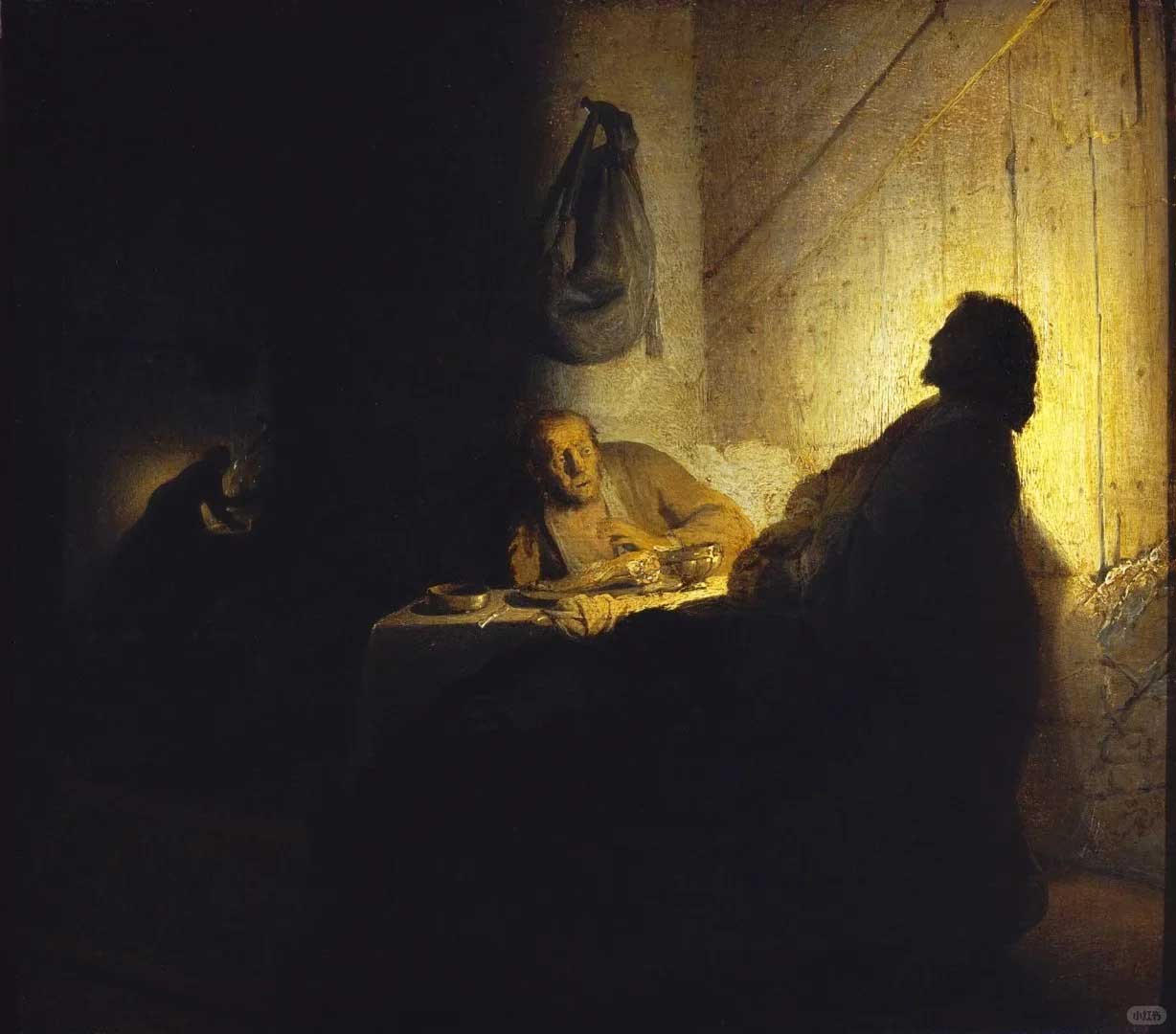
The dramatic contrasts of Caravaggio demonstrate how value can structure narrative by isolating figures through intense illumination.
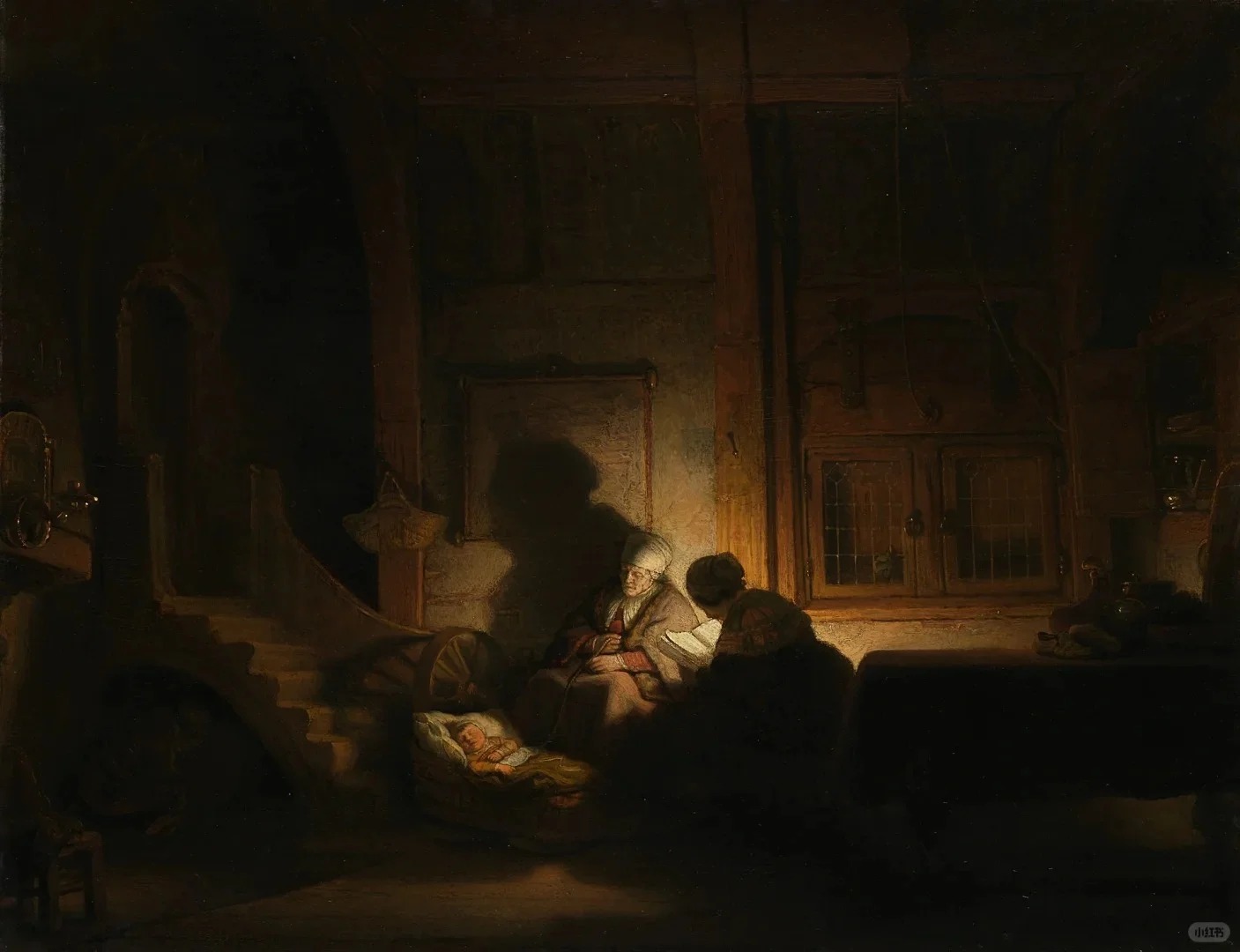
In the tonal realism of Rembrandt, compressed value ranges create subtle transitions that convey psychological depth.
Modernist painters such as Piet Mondrian reduced value to essential contrasts, using light and dark to establish balance and rhythm.
Historical movements differ in style, but all rely on controlled value relationships.
Contemporary painters often explore limited palettes and narrow value ranges to create atmospheric unity. Others employ extreme contrast to produce visual tension.
Value may function as a compositional subject rather than a descriptive tool.
In contemporary painting, value often operates as content, not only structure.
Photography is fundamentally a value-based medium. Even in color photography, tonal structure determines clarity and mood.
High-key images emphasize light values. Low-key images emphasize dark tonal dominance.
Photography demonstrates how value alone can define emotional tone.
Digital artists manipulate value through layers, masks, and blending modes. Because screens emit light, value relationships behave differently than in pigment-based media.
Motion-based works extend value into time.
Digital platforms expand value from static arrangement into temporal experience.
High contrast often produces energy and tension. Low contrast tends to feel calm or restrained.
Dark-dominant compositions suggest weight or intimacy. Light-dominant compositions suggest openness.
Value establishes emotional temperature before narrative content emerges.
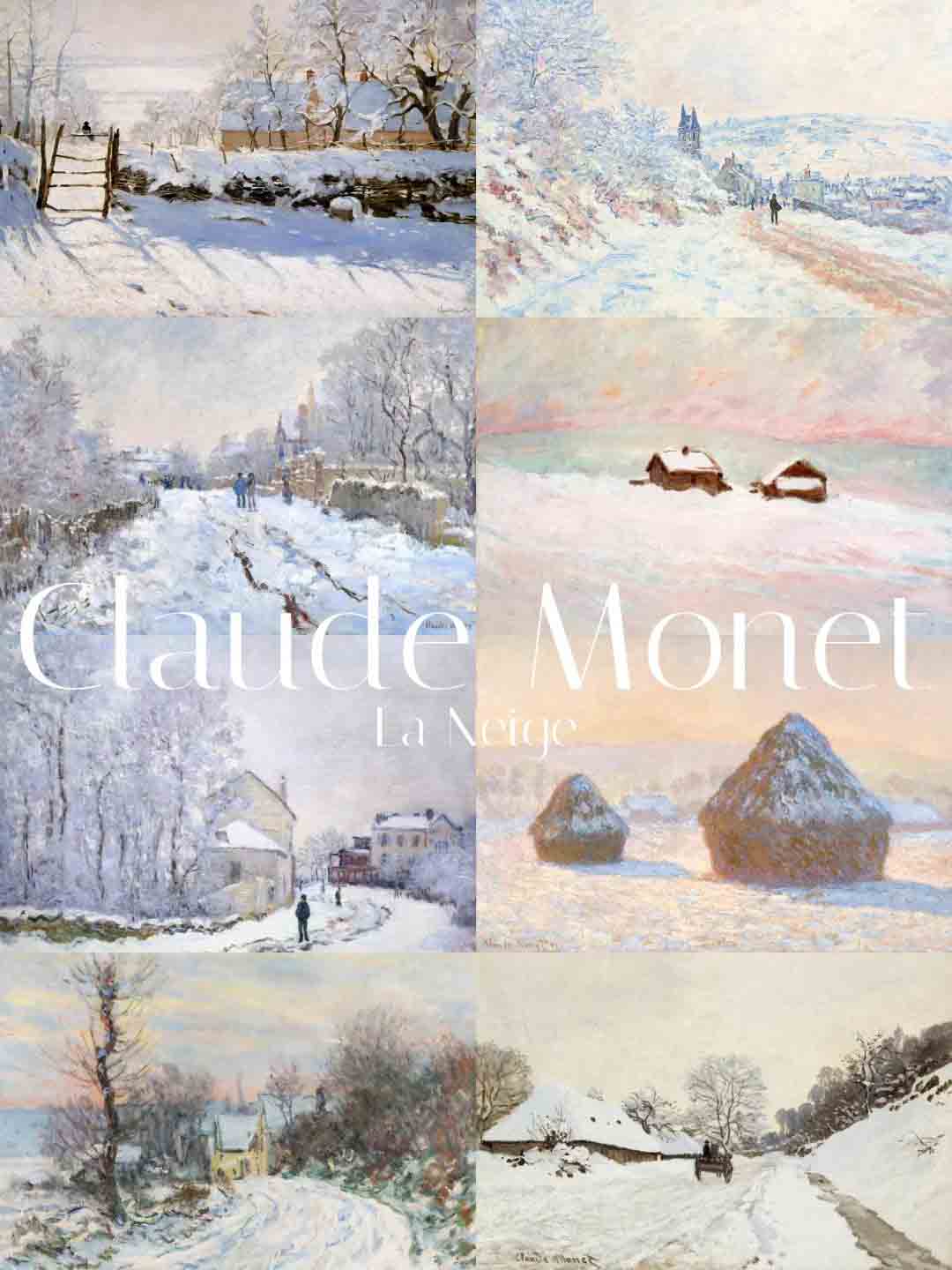
Value also carries cultural and symbolic associations. Light is often linked to clarity. Darkness is often linked to ambiguity.
Artists may reinforce or subvert these associations depending on intent.
Value participates in meaning-making beyond visual description.
Effective compositions typically organize value into large, medium, and small tonal shapes.
Many artists test compositions in grayscale before applying color.
Strong value structure supports compositional clarity.
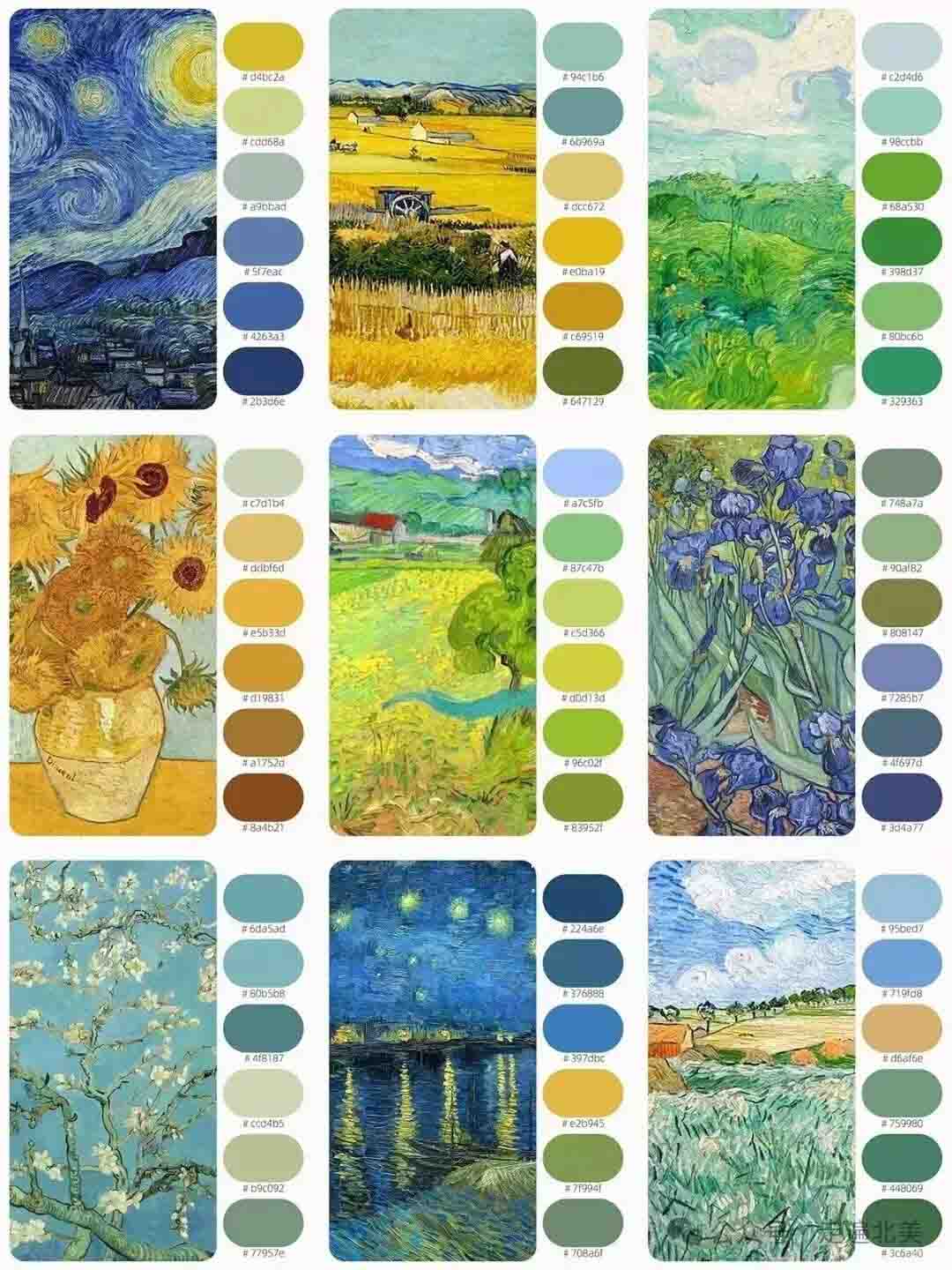
Value awareness grows through consistent analytical practice.
Artists develop recognizable tendencies in how they use value. These tendencies become part of their visual signature.
Value choices shape an artist’s stylistic voice.
Value in art functions as a structural, perceptual, and expressive force. It organizes form, space, attention, and mood across all visual media.
Value remains one of the most powerful tools in visual creation.
For readers interested in how contemporary artists explore tonal structure, spatial ambiguity, and perceptual depth, artphiloso.com presents a curated selection of works that engage value as both a formal device and a conceptual language. The platform offers a focused environment for encountering artworks where light and darkness operate as primary carriers of visual meaning.
Hi, I’m Philo, a Chinese artist passionate about blending traditional Asian art with contemporary expressions. Through Artphiloso, my artist website, I share my journey and creations—from figurative painting and figure painting to floral oil painting and painting on landscape. You'll also find ideas for home decorating with paint and more.
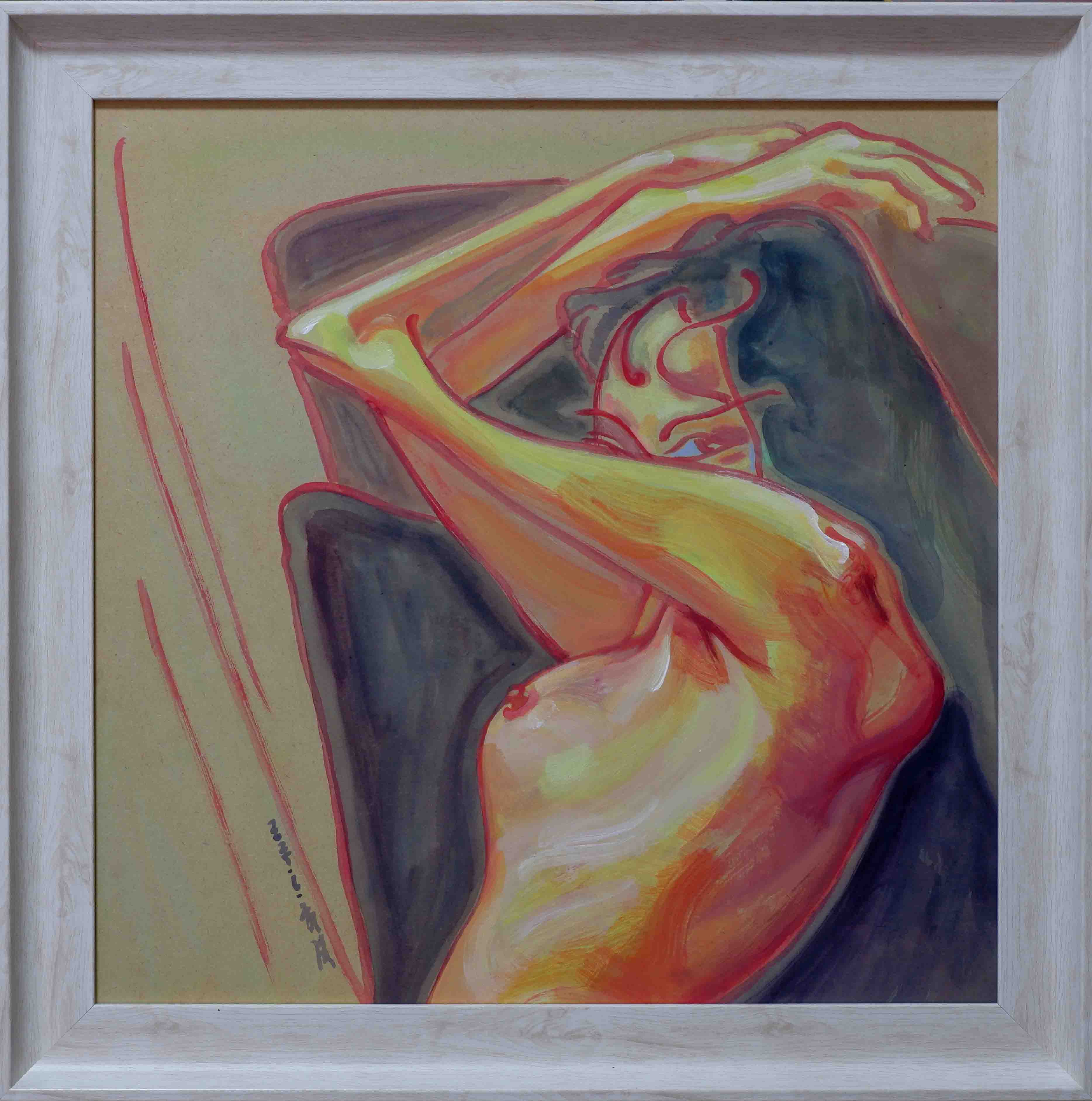
What is value in art?
Value is the relative lightness or darkness of tones within an artwork.
Why is value considered an element of art?
Because it shapes form, depth, and emphasis.
How does value differ from color?
Color describes hue; value describes brightness.
How can artists improve value control?
Through monochrome studies and tonal sketching.
Does value matter in abstract art?
Yes. It organizes composition and visual focus.