Landscape painting has evolved from spiritual representation into one of the most expressive and diverse forms of visual art. Across centuries and cultures, artists have used scenery paintings, nature paintings, and oil painting of a landscape not only to describe the visible world, but also to express philosophical ideas, emotional responses, and cultural change. Today, landscape painting encompasses traditional techniques and experimental practices reflecting changes in society and visual perception.
Landscape painting continues to evolve because it expresses both human experience and our ever-changing understanding of place.
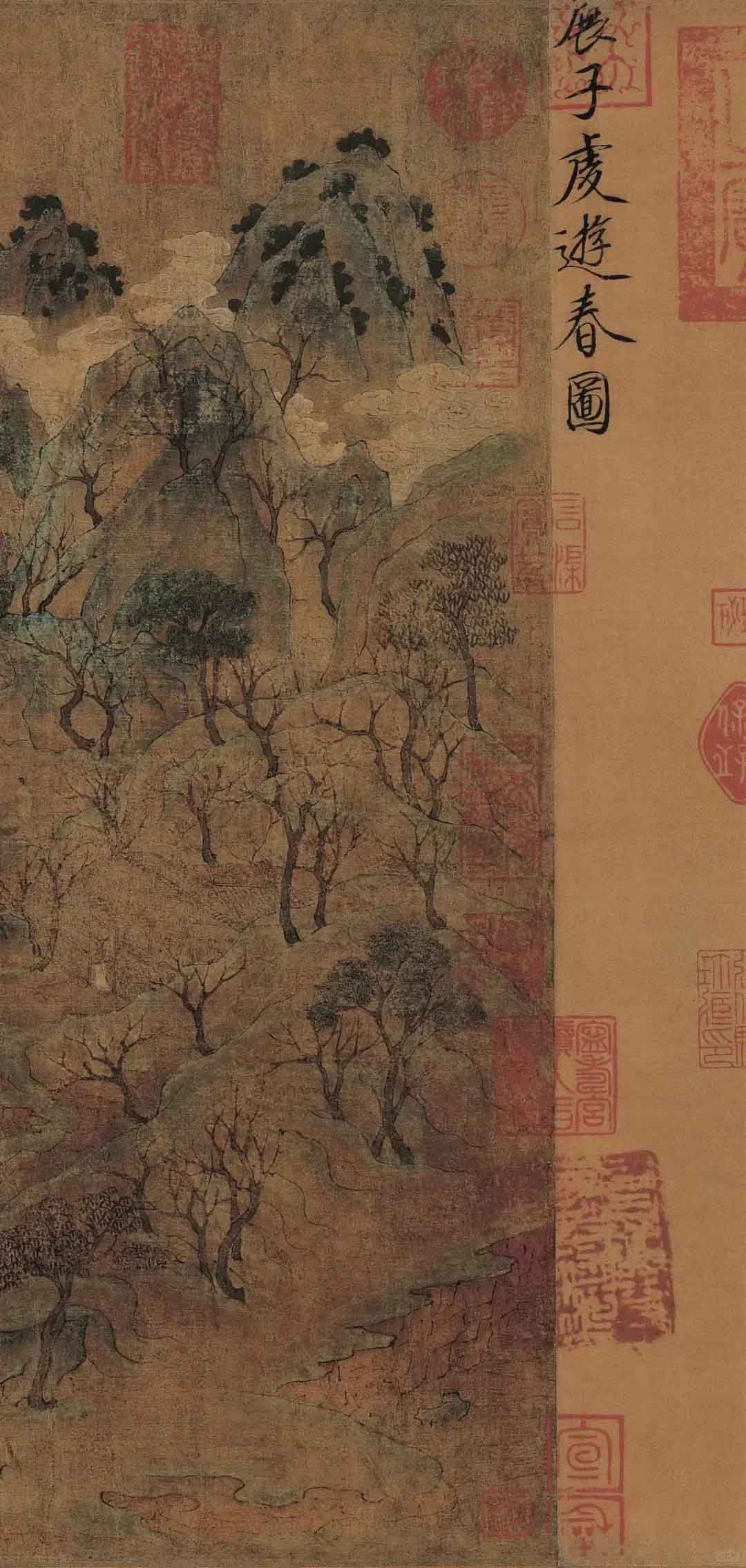
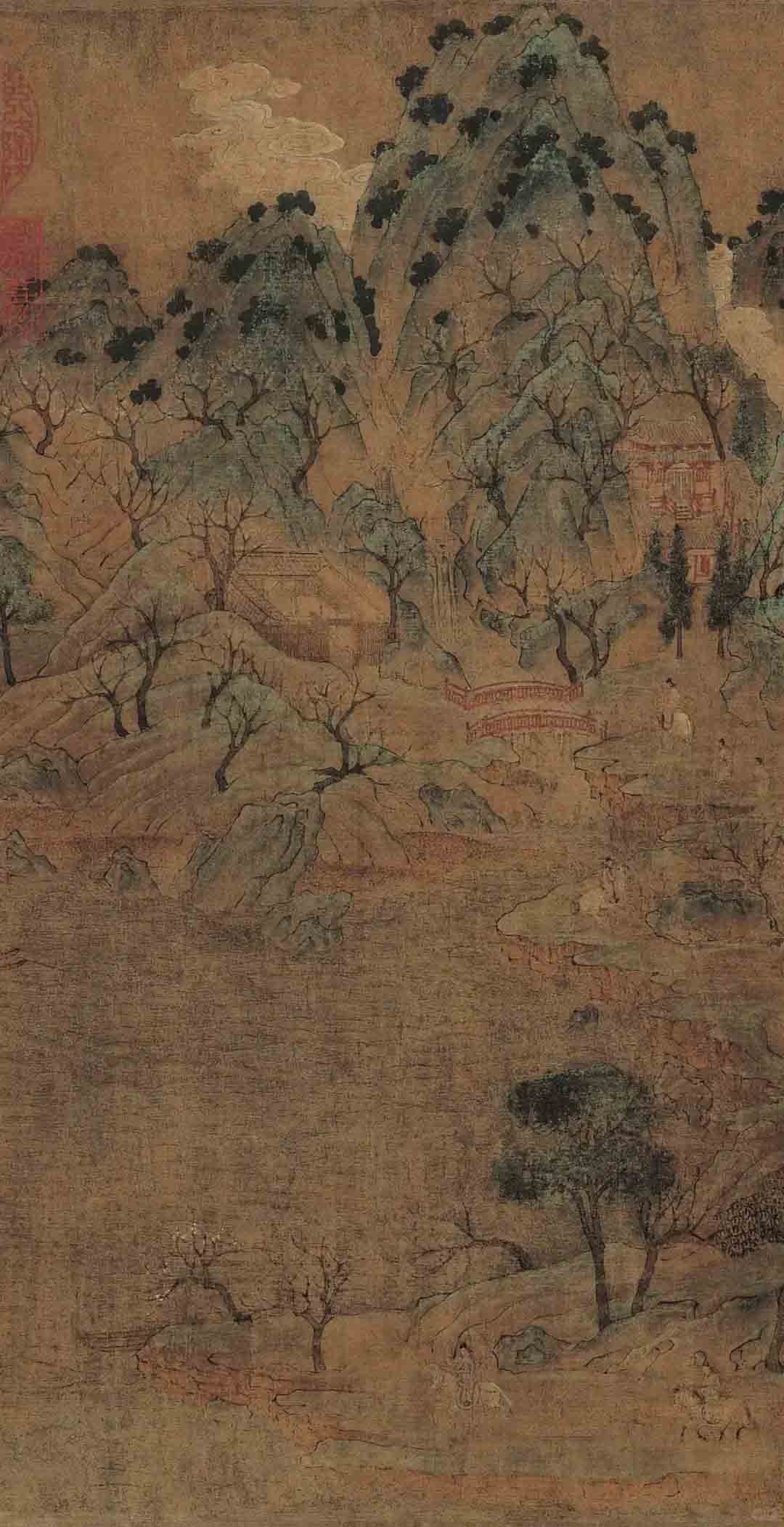
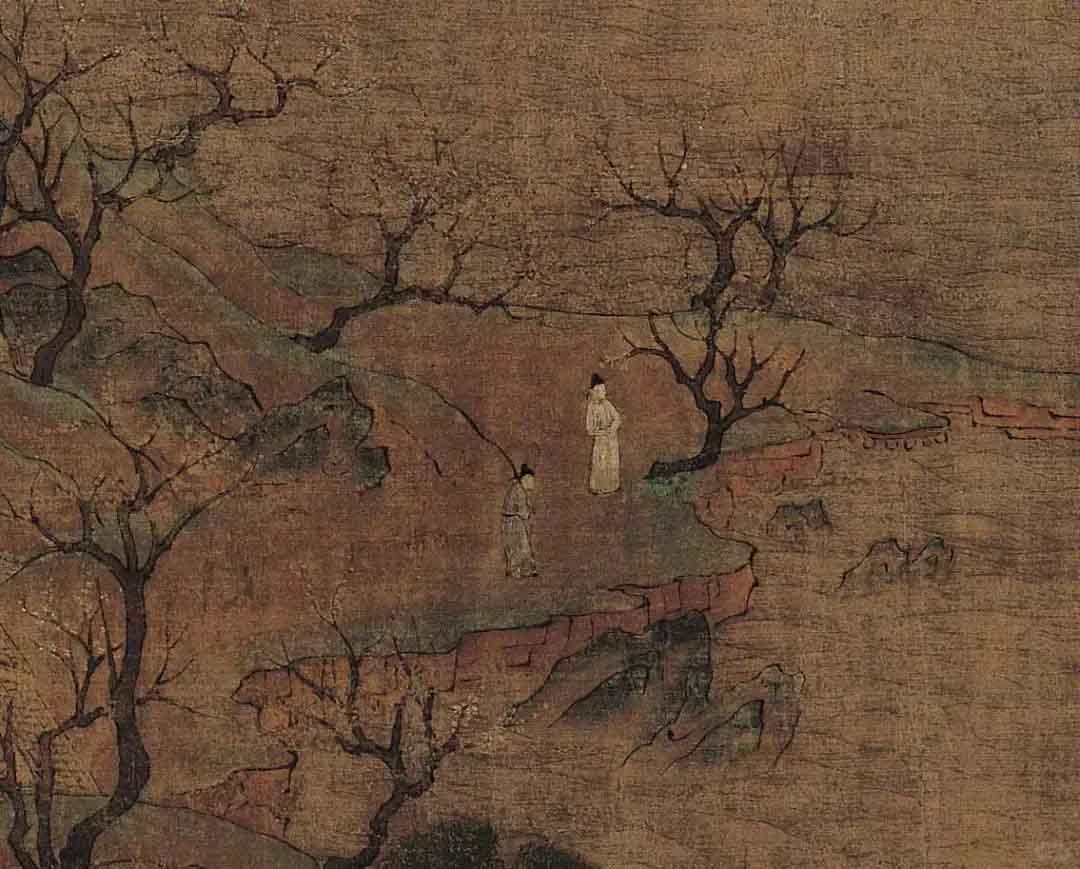
Long before landscape painting became a distinct genre in Europe, painting traditions in East Asia explored nature as a philosophical subject. Chinese landscape painting emphasized harmony, spiritual balance, and the poetic essence of mountains and rivers rather than strict visual accuracy. Ink brushwork suggested atmosphere, rhythm, and movement, inviting immersive contemplation. These traditions influenced later Western artists, including those who encountered Japanese woodblock imagery in the 19th century.
Early landscape traditions framed nature as a philosophical and spiritual language rather than a literal record.
In early European art, natural scenery appeared mainly as context for religious or historical narratives. Classical frescoes and medieval illuminations included landscape backgrounds, but figures remained central. Artists began observing natural forms more closely over time, gradually laying the groundwork for landscape as a standalone subject.
Before formal genre recognition, landscape supported storytelling rather than competing with it.
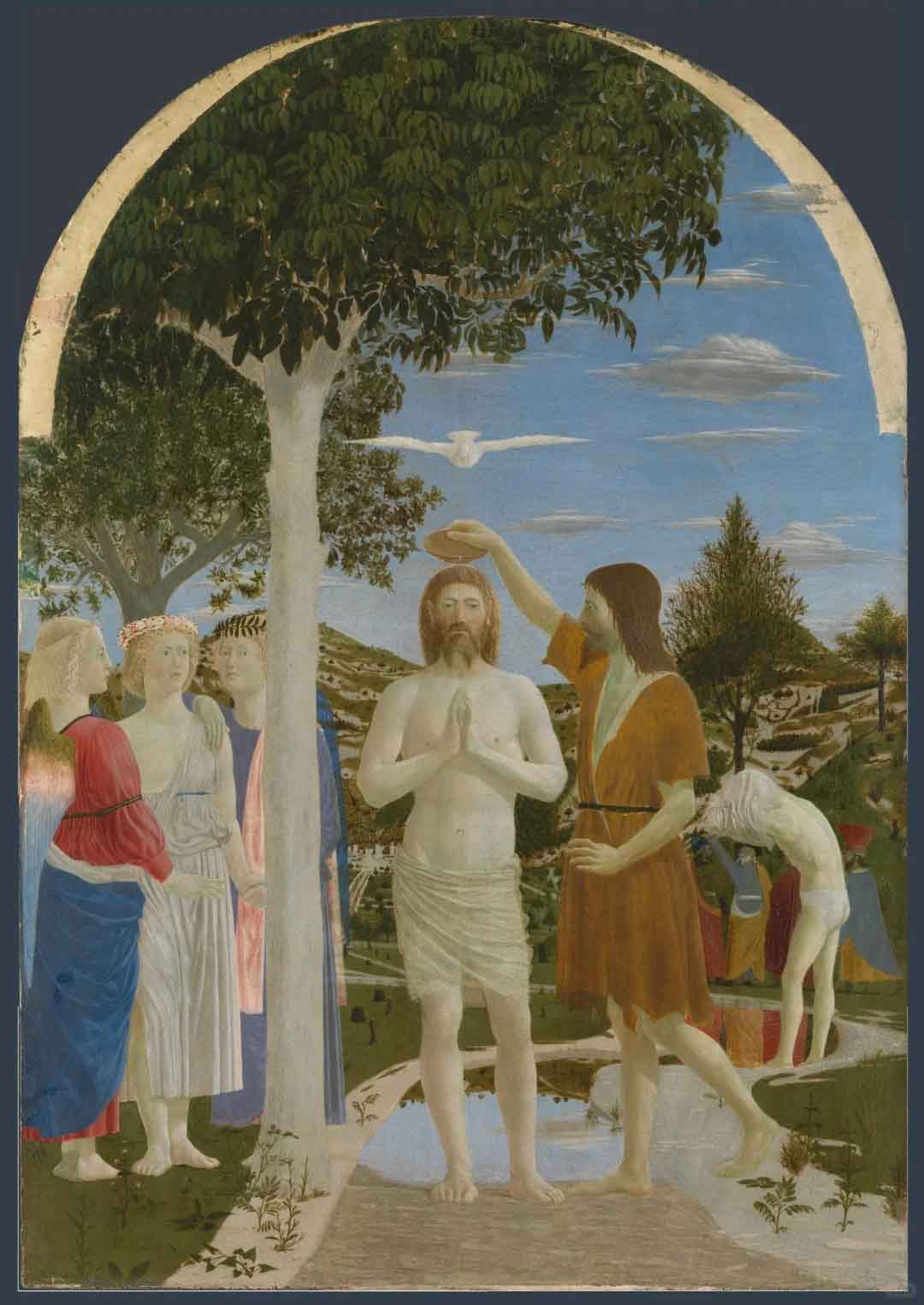
The Renaissance brought technical advances such as linear and atmospheric perspective, encouraging a closer study of nature. Artists like Giorgione and Giovanni Bellini incorporated detailed scenery into compositions, while northern European painters increasingly celebrated outdoor space in its own right. These shifts moved landscape toward independent artistic status.
Renaissance techniques allowed landscape to emerge from backdrop into meaningful visual subject.
Encyclopaedia Britannica – Landscape Painting
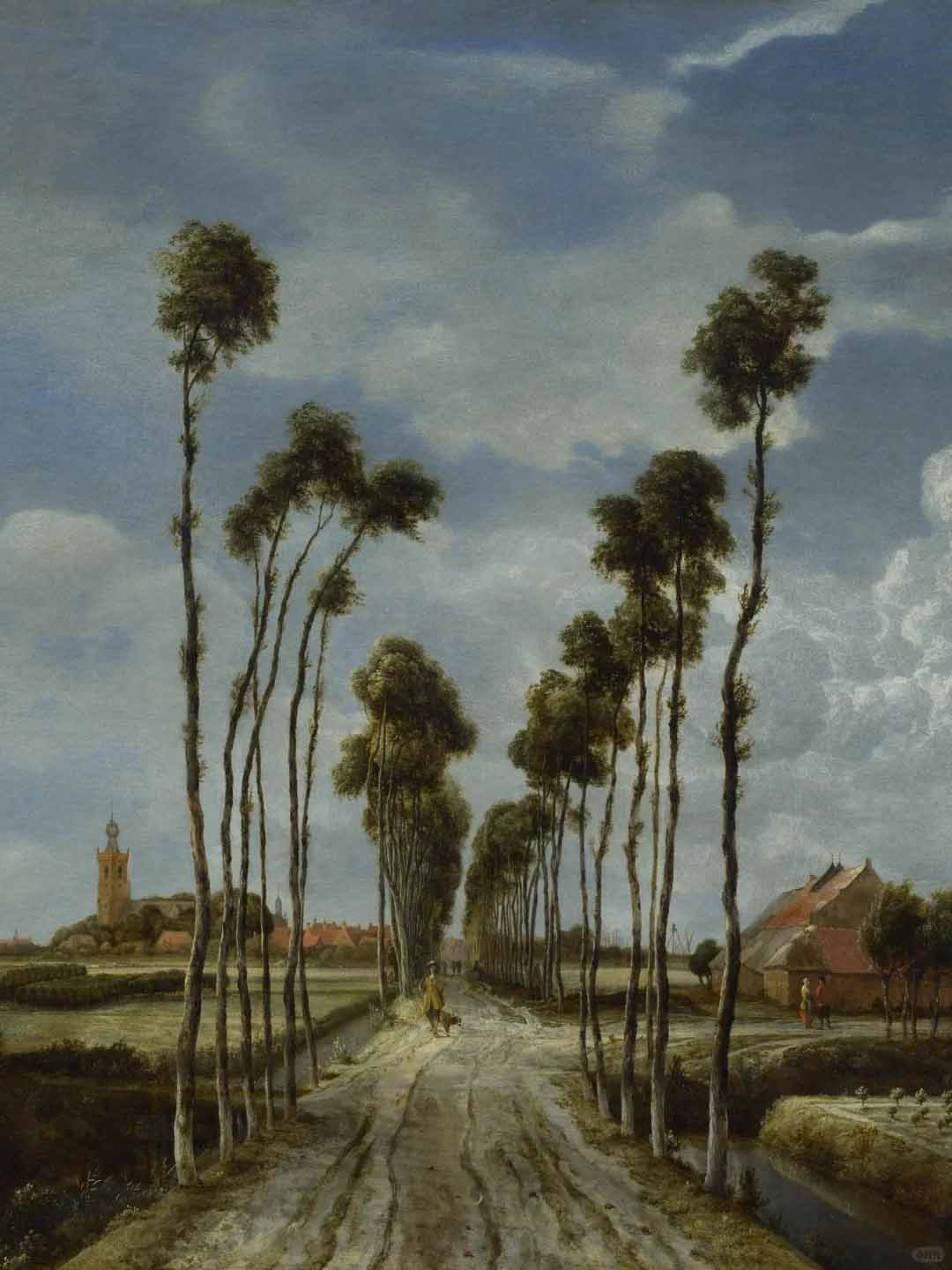
During the 17th century, landscape painting flourished in the Netherlands. Artists such as Esaias van de Velde helped define tonal landscape approaches, while others expanded the genre with dramatic skies and focal natural scenes. This period saw landscapes become subjects of market demand, reflecting national pride and rural life.
Dutch Golden Age painters demonstrated that ordinary scenery could hold artistic and cultural significance.
The Art Story – Dutch Golden Age
In the late 18th and early 19th centuries, Romanticism reframed landscape painting as an expression of individual emotion and awe toward nature. Artists like J. M. W. Turner blended dramatic light with dynamic atmosphere to evoke the sublime. In these works, humans often appear small against vast natural forces, emphasizing the emotional and spiritual dimensions of nature.
Romantic landscapes transformed scenery into a vehicle for emotional and imaginative experience.
In mid-19th-century France, artists associated with the Barbizon School painted directly from nature near the Forest of Fontainebleau, prioritizing honest representation of light and form. This approach foregrounded natural scenery and mood without idealization, influencing later Impressionists.
Realist painters emphasized truthful observation and tonal nuance in natural settings.
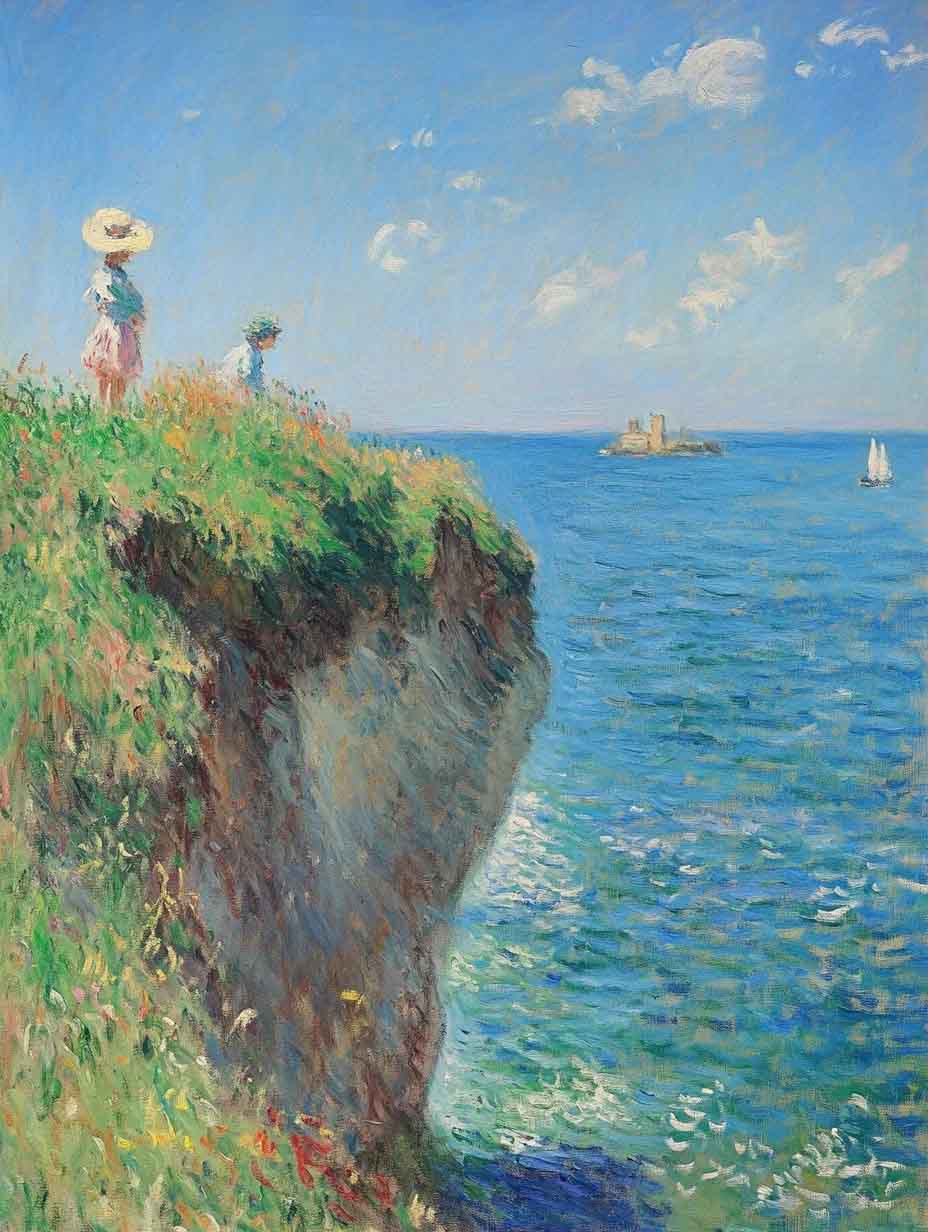
Claude Monet became a defining figure of Impressionism, in part due to his influential oil painting Impression, Sunrise. Monet’s plein-air landscape work focused on fleeting light, color shifts, and atmospheric effects rather than detailed realism. Impressionism redefined landscape painting around perceptual experience and visual sensation.
Impressionism redefined landscape painting through direct perception of light and time.
As industrialization transformed cities, artists began depicting urban environments as landscapes in their own right. These cityscapes reflected social change, environmental impact, and new forms of modern experience, challenging the assumption that landscape must depict untouched nature.
Urban scenes expanded the scope of landscape painting to include built environments.
Today's landscape painting includes traditional oil painting of a landscape, mixed media, and conceptual approaches addressing climate change, memory, and human transformation of nature. Artists blend representation, abstraction, and cultural critique, making landscape one of the most dynamic and responsive genres in contemporary art.
Contemporary landscape painting reflects diverse approaches to nature and environment.
Landscape painting persists because it bridges personal experience and universal meaning. Whether depicting a remote countryside or an industrial skyline, landscape images encourage reflection on how humans relate to the world.
Landscape painting endures because it continually reinterprets place and perception.
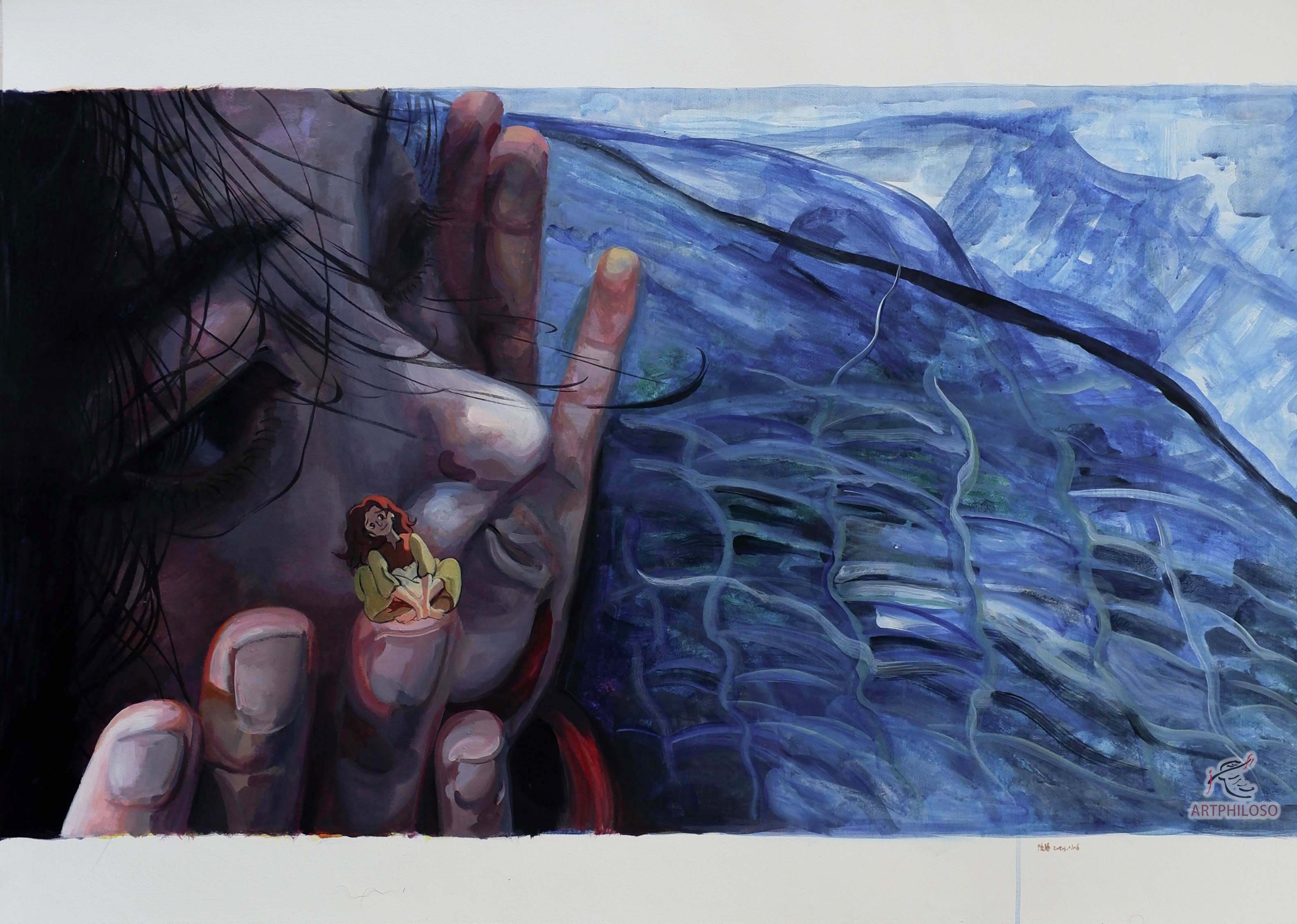
For readers interested in deepening their engagement with landscape painting and contemporary nature art, artphiloso presents a curated selection of original works that explore environment, perception, and material expression. The site features paintings that reinterpret scenery through modern sensibilities, offering thoughtful perspectives on how landscape continues to shape contemporary visual culture.
Hi, I’m Philo, a Chinese artist passionate about blending traditional Asian art with contemporary expressions. Through Artphiloso, my artist website, I share my journey and creations—from figurative painting and figure painting to floral oil painting and painting on landscape. You'll also find ideas for home decorating with paint and more.
1. What defines landscape painting as a genre?
Landscape painting features natural or built environments as central subjects, emphasizing scenery over narrative or portraiture.
2. How did landscape painting evolve in Europe?
It developed from backgrounds in religious art through Renaissance observation, Dutch realism, Romantic expression, and Impressionist perceptual focus.
3. Why is Impression, Sunrise significant?
The 1872 oil painting Impression, Sunrise helped define the Impressionist movement by foregrounding color and light effects in nature.
4. What role did the Barbizon School play?
Artists in the Barbizon School elevated direct outdoor painting and honest representation, laying groundwork for Impressionism.
5. What characterizes contemporary landscape painting?
Contemporary landscape art combines traditional techniques with conceptual themes addressing environment, culture, and perception.