Drawing occupies a central position within the visual arts, functioning simultaneously as an independent discipline and as the structural basis for many other art forms. Across cultures and historical periods, drawing has served as a means of observation, communication, experimentation, and conceptual development. While commonly associated with pencil marks on paper, drawing encompasses a far broader range of practices, materials, and intentions.
Drawing is best understood as a visual language that records thought through mark-making.
This article examines what drawing is, how it has been defined historically and contemporarily, and why it continues to matter in artistic practice today. Building upon established definitions, it expands the discussion to include material, conceptual, technological, and perceptual dimensions of drawing.
At its most basic level, drawing can be described as the creation of images through marks on a surface. These marks may take the form of lines, dots, tonal areas, or gestural traces. Traditional definitions often emphasize dry media such as graphite, charcoal, ink, chalk, or pastel applied to paper or similar supports.
However, limiting drawing solely to specific tools or materials fails to account for the diversity of contemporary practice. Many artists now draw using unconventional substances, digital interfaces, or physical actions that leave traceable evidence.
Drawing can be defined as the intentional production of marks that convey visual, spatial, or conceptual information.
This broader definition prioritizes function and intention over medium. Whether executed with a pencil, stylus, wire, or light, drawing remains rooted in the act of translating thought into visible form.

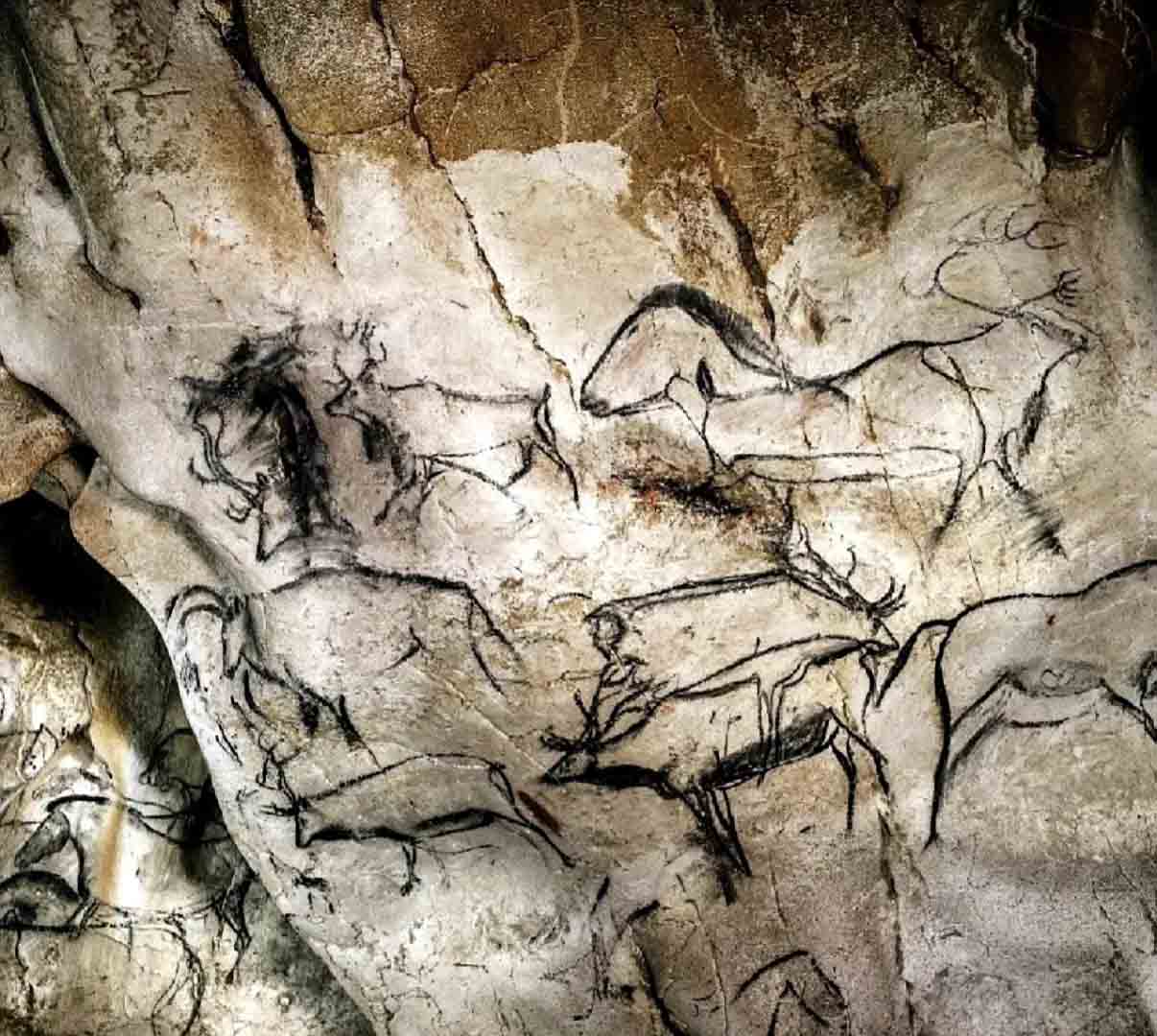
Historically, drawing has been closely associated with planning and preparation. In Renaissance Italy, the concept of Disegno referred both to drawing and to design, encompassing the intellectual framework behind a work of art. Artists such as Michelangelo, Leonardo da Vinci, and Raphael regarded drawing as the foundation of painting, sculpture, and architecture.
In academic traditions, drawing was considered essential training. Students studied anatomy, proportion, and perspective through extensive drawing exercises. This emphasis reinforced the idea that drawing is inseparable from seeing and understanding.
Throughout history, drawing has functioned as both a tool for learning and a finished artistic expression.
By the nineteenth and twentieth centuries, drawing increasingly asserted itself as an autonomous medium. Artists such as Edgar Degas and Pablo Picasso produced drawings that were not preparatory but complete works in their own right.
Line is often cited as the defining feature of drawing. Lines may be continuous, broken, thick, thin, straight, or irregular. They describe edges, suggest movement, and establish spatial relationships.
Yet drawing is not limited to line alone. Tonal masses, textures, and layered marks also play crucial roles. In some drawings, form emerges primarily through value rather than contour. In others, repeated marks accumulate into dense surfaces that blur distinctions between drawing and painting.
Drawing constructs visual meaning through the organization of line, tone, and spatial relationships.
Rather than adhering to a single formal system, drawing adapts to the artist’s intent and the subject’s demands.
Traditional drawing media include graphite, charcoal, ink, conté crayon, chalk, and pastel. Each produces distinctive marks and visual effects. Graphite allows for subtle tonal shifts, charcoal emphasizes gesture and contrast, and ink produces decisive, permanent lines.
Contemporary artists frequently expand this range. Tape, thread, metal wire, soil, and erasers may become drawing tools. Digital tablets and software introduce new possibilities while preserving the essential act of mark-making.
Drawing is defined less by specific materials than by the act of making marks with intent.
This flexibility explains why drawing continues to evolve without losing its identity.
One of drawing’s primary functions is observation. Through drawing, artists study the physical world: bodies, landscapes, architecture, and everyday objects. The process requires sustained attention and encourages deeper perception.
Observational drawing is not mere copying. It involves interpretation, selection, and emphasis. Artists decide which details to include, exaggerate, or omit.
Drawing transforms looking into understanding.
Beyond observation, drawing serves as a form of thinking. Artists sketch ideas, test compositions, and explore variations through drawing. These exploratory drawings may be loose, fragmentary, or abstract.
Architects, designers, choreographers, and scientists also rely on drawing to visualize concepts. Diagrams, schematics, and notations are forms of drawing that communicate complex information.
Drawing externalizes thought and makes ideas visible.
While drawing is often associated with representation, it plays an equally important role in abstraction. Abstract drawings may focus on rhythm, balance, repetition, or spatial tension rather than recognizable imagery.
Artists such as Wassily Kandinsky and Cy Twombly used drawing to explore gesture and emotional resonance. Their marks function as traces of movement and sensation.
Drawing supports both representational and non-representational expression.
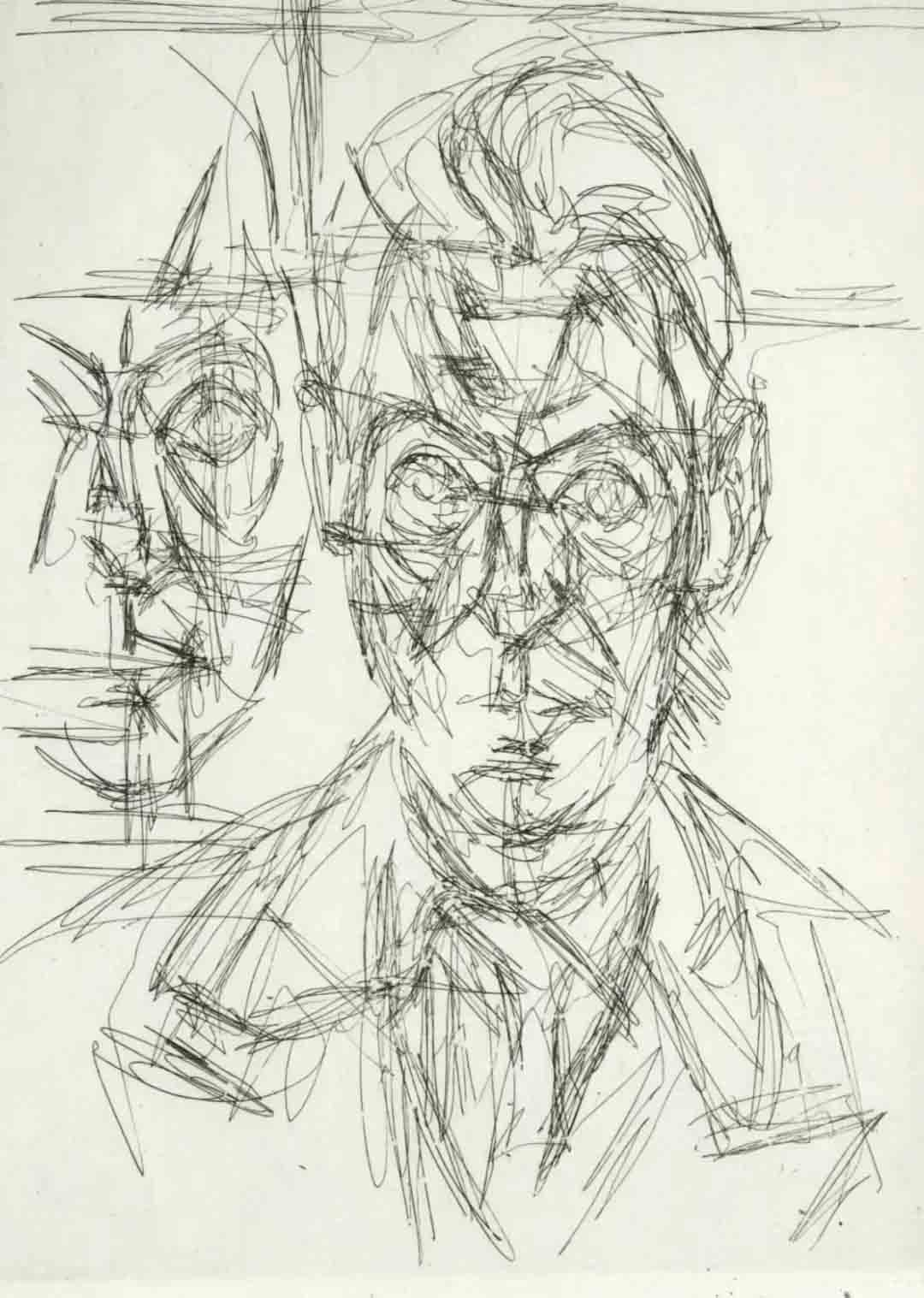
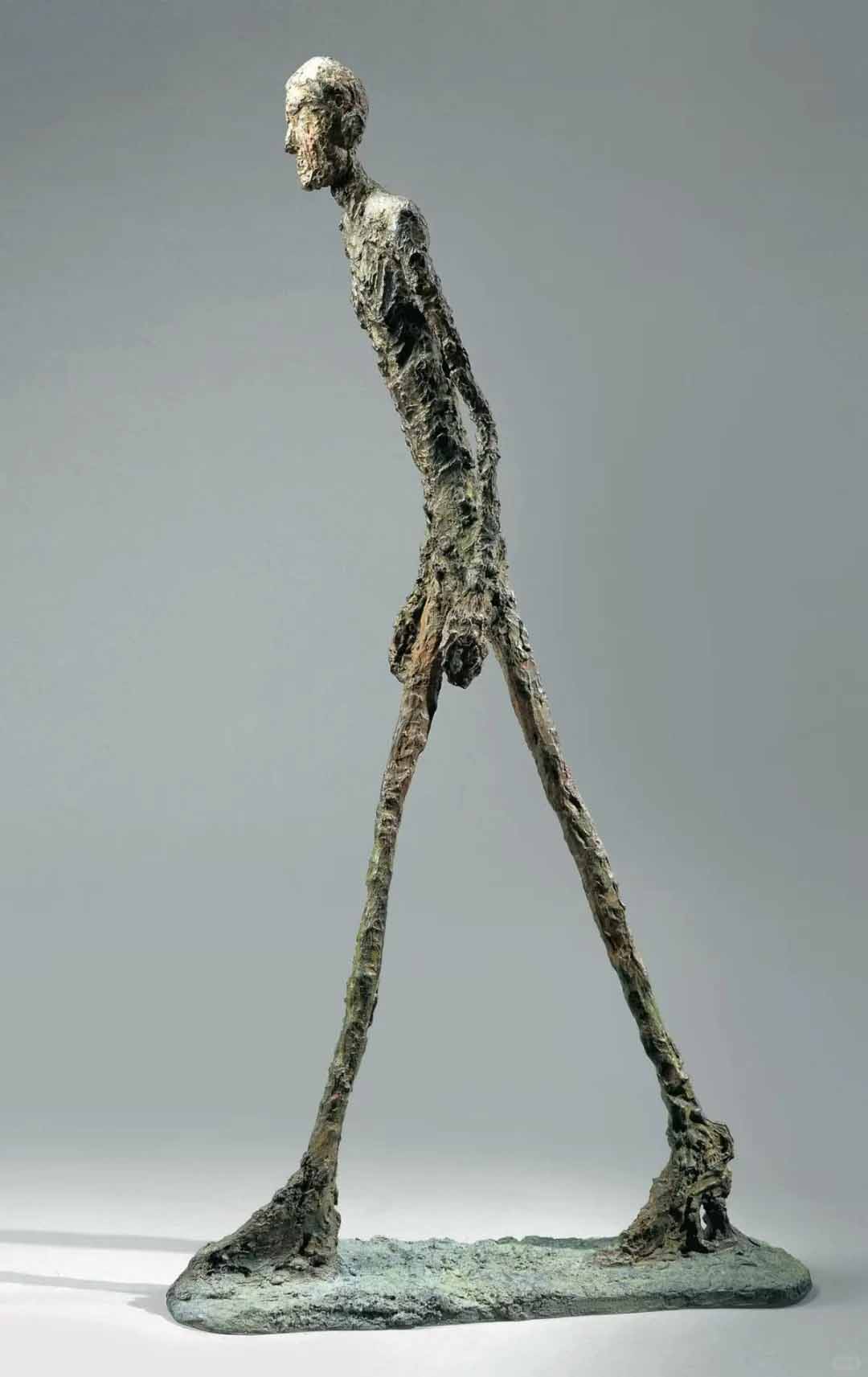
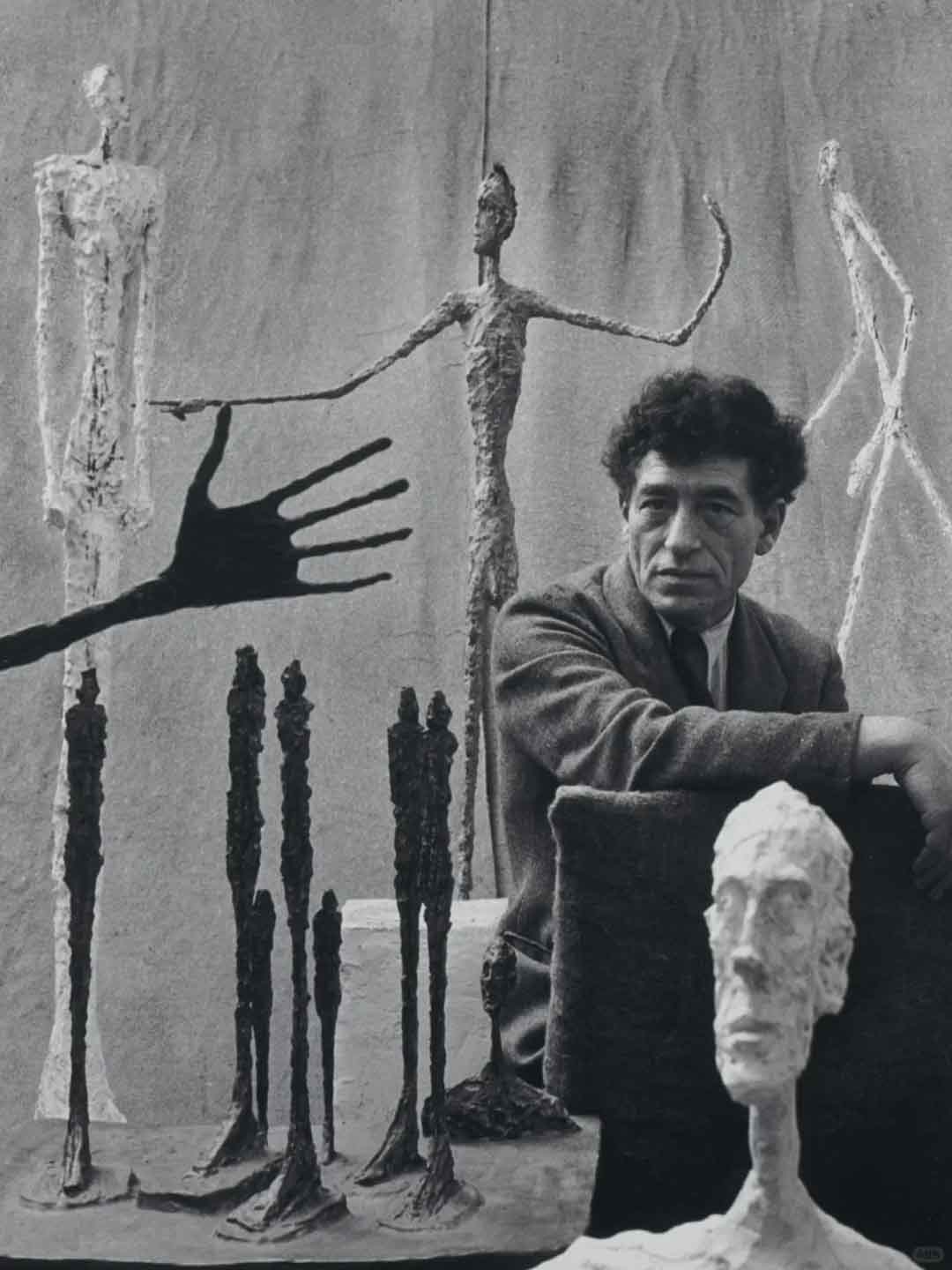
Drawing intersects with painting, printmaking, sculpture, and installation. A painting may begin with an underdrawing. A sculpture may originate from sketches. Prints often rely on drawn matrices.
In contemporary practice, drawing may exist within installations as wall-based works, projected imagery, or spatial constructions.
Drawing operates as both an independent medium and a connective framework across disciplines.
Digital tools have expanded the vocabulary of drawing. Pressure-sensitive tablets simulate traditional media, while vector-based systems enable precise, scalable lines. Layers, undo functions, and virtual brushes alter the working process.
Digital drawing continues the tradition of mark-making in a new environment.
In an era saturated with images, drawing offers a slower, more deliberate mode of engagement. It emphasizes process over speed and attention over automation.
Drawing remains a vital means of visual inquiry and expression.
At artphiloso.com, drawing is approached as a living language rather than a fixed category. The site presents works that explore line, texture, spatial rhythm, and abstraction through contemporary perspectives. Each piece reflects sustained engagement with the act of mark-making and its conceptual potential.
Artist PHILO views drawing as a bridge between perception and thought. His practice emphasizes clarity of structure, restrained expression, and the quiet intensity of visual inquiry. Through this approach, drawing becomes not only an image but a record of attentive seeing and reflective thinking.
Hi, I’m Philo, a Chinese artist passionate about blending traditional Asian art with contemporary expressions. Through Artphiloso, my artist website, I share my journey and creations—from figurative painting and figure painting to floral oil painting and painting on landscape. You'll also find ideas for home decorating with paint and more.
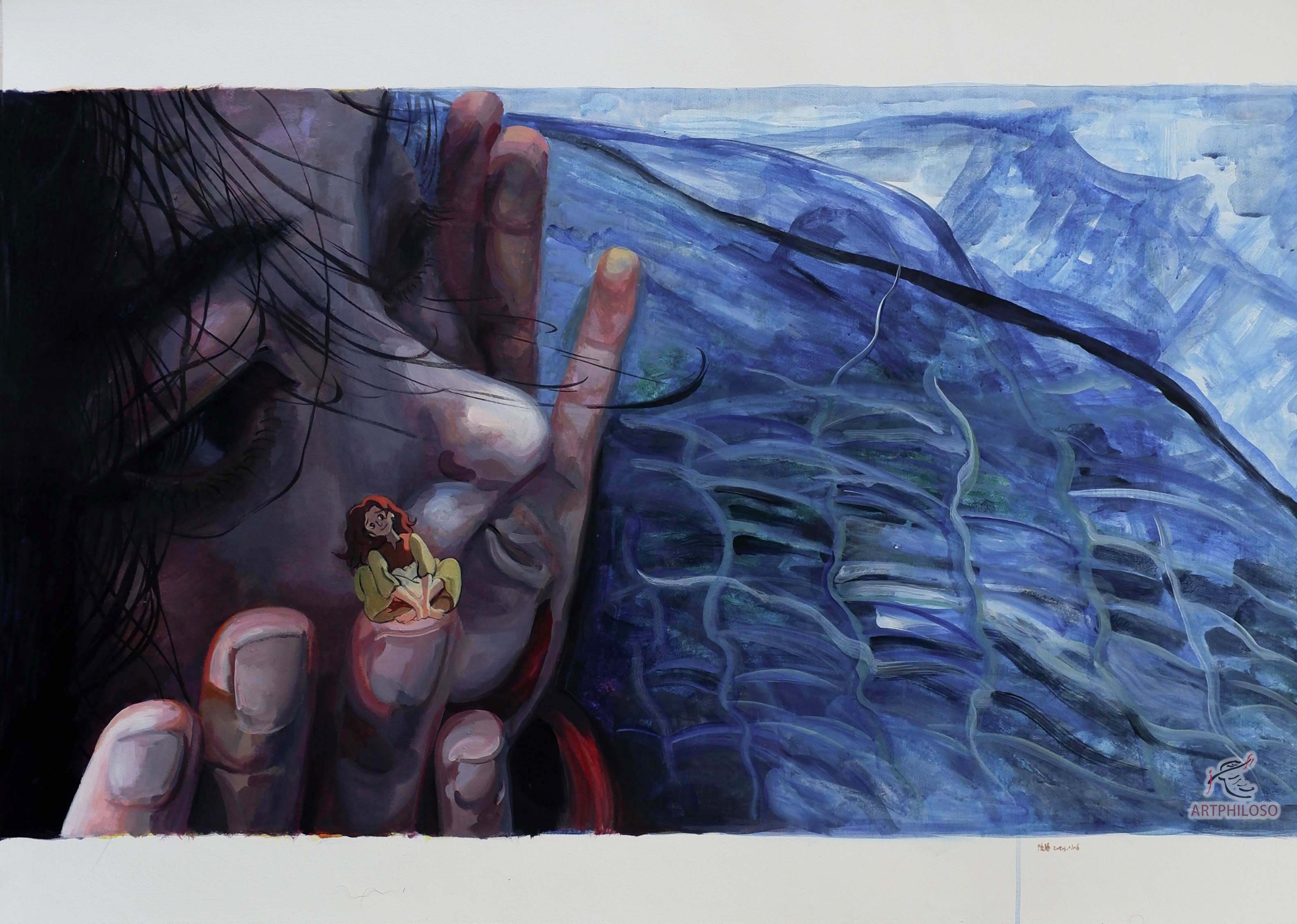
1. What is drawing definition?
Drawing is the intentional creation of marks on a surface to convey visual, spatial, or conceptual information.
2. What is drawing in contemporary art?
Drawing in contemporary art includes traditional and experimental approaches using diverse materials and digital tools.
3. How do you describe a drawing effectively?
Describe a drawing by discussing its materials, marks, composition, subject matter, and overall visual effect.
4. Is drawing only about line?
No. Drawing also involves tone, texture, and spatial organization.
5. Why is drawing considered foundational?
Because it underlies many artistic processes and supports both learning and creative exploration.