Abstract art has long been misunderstood. Many people still look at an abstract painting or abstract drawing and say, “I could have done that.” Yet what makes good abstract art is never about simple marks or random color fields. It is about intention, visual rhythm, and emotional transformation. A good abstract painting does not describe the visible world; it re-creates an invisible experience.
Good abstract art communicates emotion, structure, and balance through visual language rather than representation.
1. The Evolution of Abstract Painting
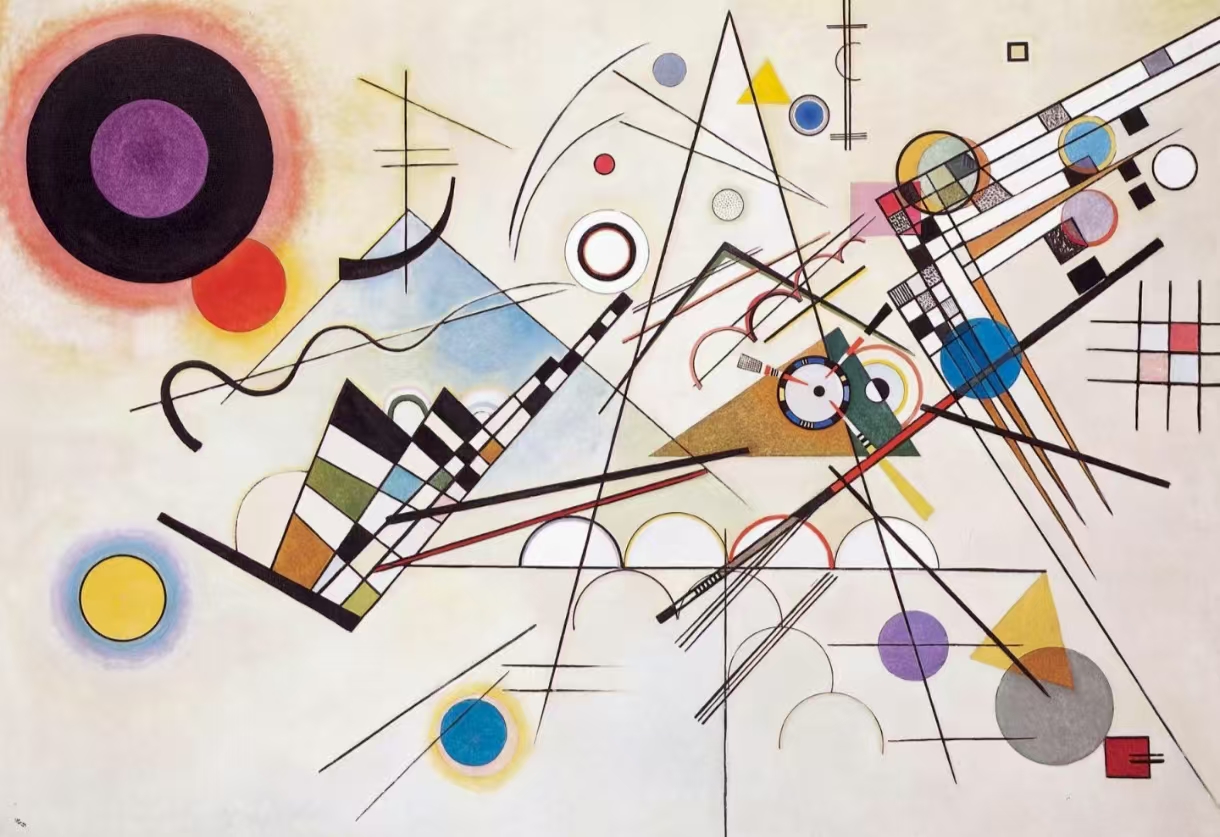
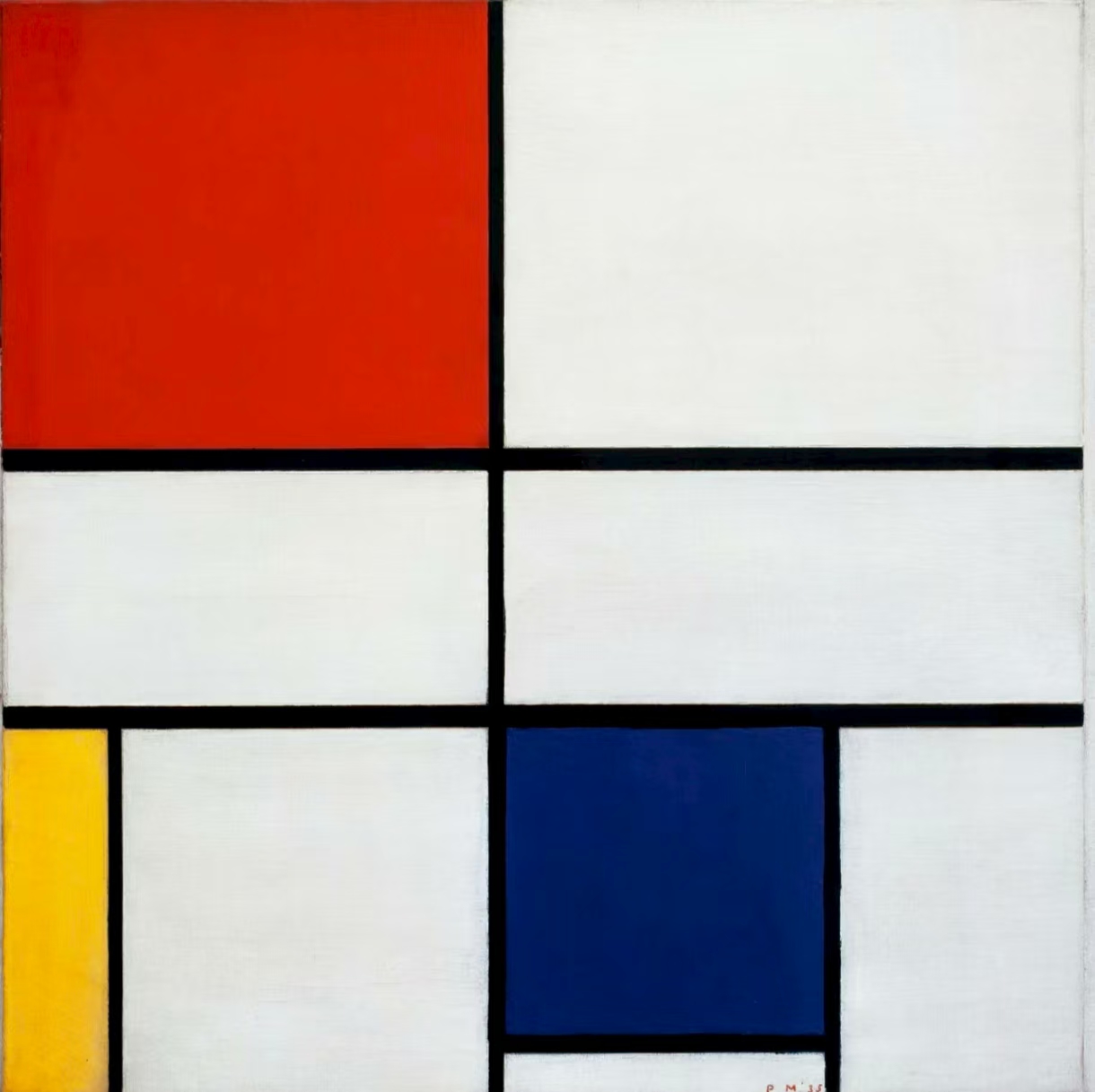
Modern abstraction emerged in the early twentieth century when artists like Wassily Kandinsky, Piet Mondrian, and Kazimir Malevich broke away from realism. Instead of painting landscapes or portraits, they sought to express sound, movement, and emotion through shape and color. Kandinsky’s Composition VII and Mondrian’s Broadway Boogie Woogie are often cited among the best abstract paintings in history because they translate rhythm and energy into visual form.
Later, the movement known as Abstract Expressionism in New York City after World War II transformed abstraction into a global force. Artists such as Jackson Pollock, Mark Rothko, and Willem de Kooning brought spontaneity, gesture, and psychological depth into painting. Their works shifted the center of the art world from Paris to New York, influencing generations of artists.
The history of abstraction shows that good abstract painting is a deliberate evolution of visual language, not a rejection of skill or meaning.
2. The Foundation Beneath Abstraction
Although abstraction appears spontaneous, most abstract artists have deep training in composition, proportion, and color theory. Before they distort or decompose form, they first understand it. Good abstract art often builds on the same principles that guide realistic painting: harmony, tension, and rhythm.
Even artists who work with raw emotion rely on a visual structure. Pollock’s drip paintings, for example, seem chaotic but contain intricate balance and directional flow. The viewer’s eye moves across the surface, guided by invisible geometry and energy.
This foundation distinguishes mature abstraction from random mark-making. Artists who skip this step often produce works that feel decorative rather than profound. True abstraction emerges from discipline and insight, not avoidance of it.
Every strong abstract painting stands on an invisible framework of structure, rhythm, and compositional logic.
3. The Emotional Core of Abstract Painting
A good abstract painting evokes feeling even without recognizable images. Viewers might not know what they are looking at, but they feel something — calm, tension, curiosity, or movement. That emotional response is a primary measure of success.
Color plays a central role. Blue suggests depth and reflection; red ignites energy and conflict; white opens space. Texture and gesture add another layer. Thick impasto conveys force and resistance, while transparent glazes whisper and recede.
Rothko’s large color fields invite stillness and contemplation. Pollock’s lines capture chaos and freedom. Agnes Martin’s subtle grids reflect silence and discipline. Each demonstrates that abstraction can be both personal and universal.
Emotion, not imagery, is the heartbeat of good abstract art.
4. The Language of Form and Space
Abstract composition relies on visual balance. Lines, shapes, and spaces must interact harmoniously. In abstract drawing, this might mean exploring tension between curves and angles. In abstract painting, it often involves balancing color temperature, value, and spatial rhythm.
Good abstraction invites the eye to travel. A composition that feels alive gives a sense of movement even when the surface is still. The viewer’s gaze is guided naturally from one area to another without confusion or fatigue.
Artists use contrast — thick versus thin, bright versus muted, hard versus soft — to create energy. Some rely on repetition and variation, building rhythm like music. The analogy between painting and music is apt: both rely on structure and harmony rather than literal meaning.
Good abstract composition transforms visual space into rhythm, guiding the eye and emotion in equal measure.
5. The Role of Intention and Authenticity
The difference between decoration and art lies in intention. Many commercial paintings labeled “abstract” exist only to match a sofa. They may be pleasant but lack genuine purpose. Authentic abstract painting expresses an idea, an experience, or a state of mind.
Intention gives meaning to gesture. When a line or color is placed with conviction, it communicates presence. Even minimal compositions can feel powerful when they carry honest emotion. Conversely, works made to imitate popular styles quickly lose vitality.
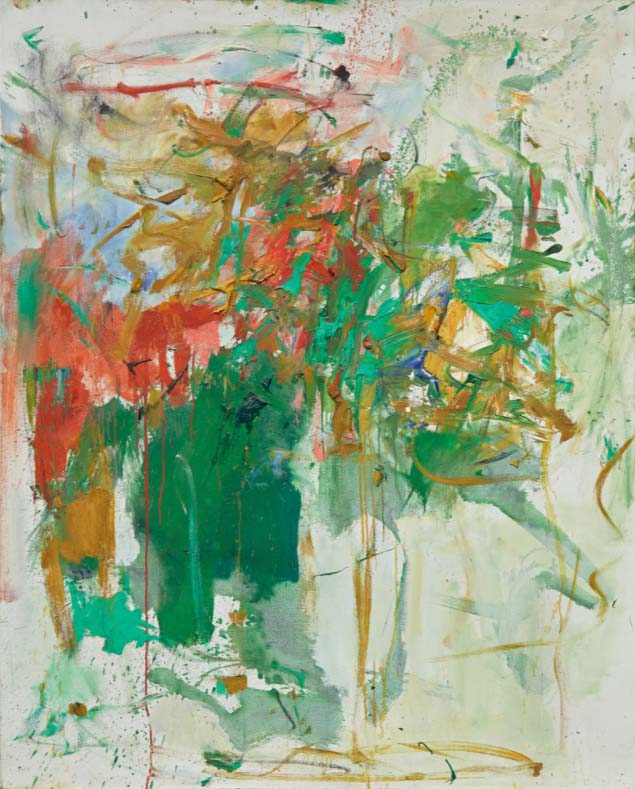
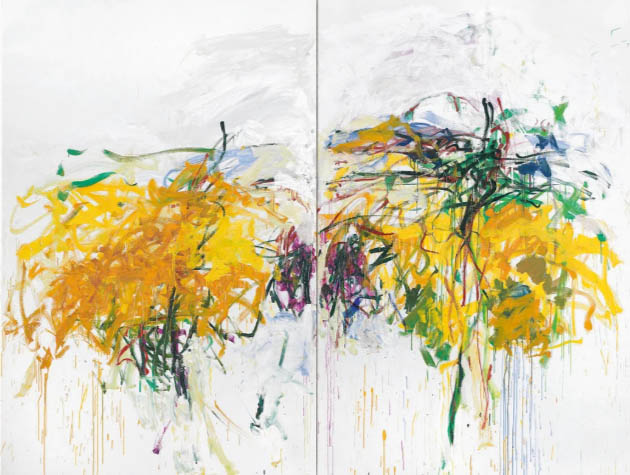
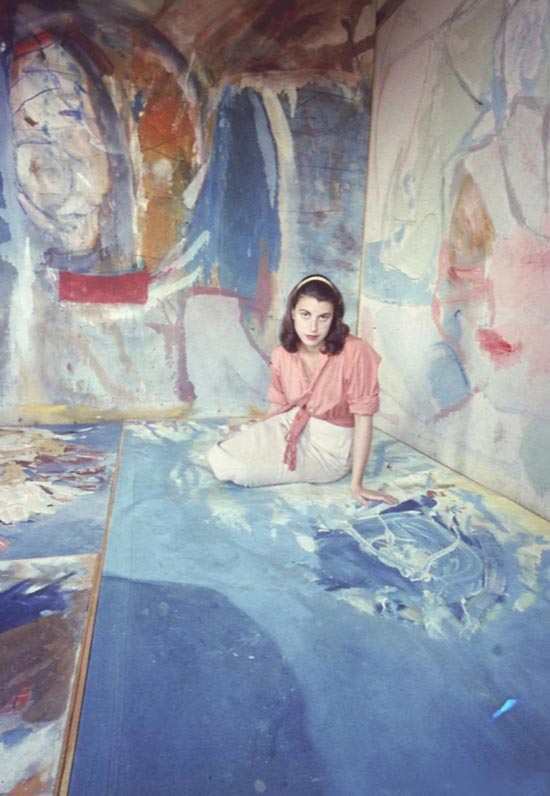
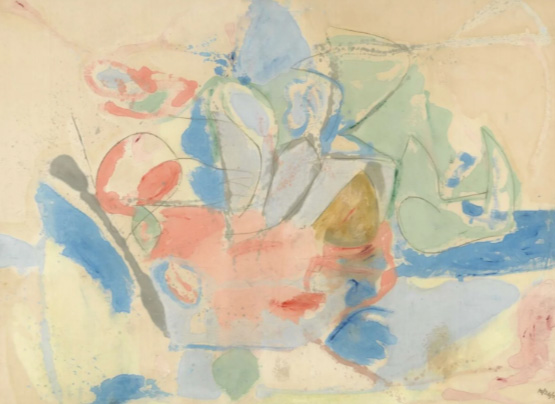
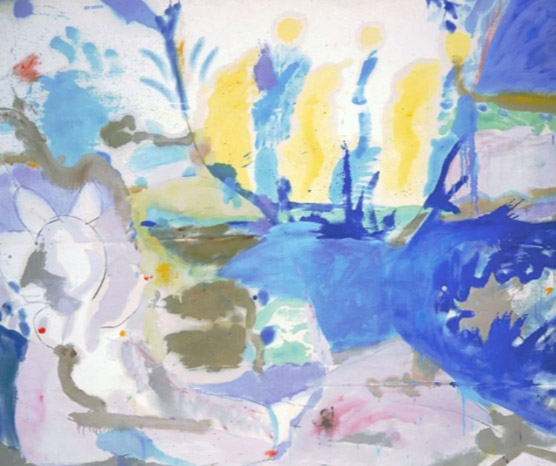
Artists such as Helen Frankenthaler and Joan Mitchell demonstrate how intention transforms technique into poetry. Their brushstrokes were not random but intuitive responses to internal states. Viewers sense that sincerity even without explanation.
Authenticity is the invisible force that makes an abstract painting compelling rather than decorative.
6. Material, Technique, and Innovation
Abstract art encourages experimentation with materials. Acrylic, oil, collage, metal, and digital media can all serve abstraction. What matters is how the material contributes to meaning.
Texture can suggest time, change, or intensity. Layering can express memory or transformation. A good artist explores the dialogue between control and accident — letting the material speak while maintaining direction.
The best abstract paintings often result from tension between mastery and surrender. Pollock allowed gravity and motion to shape his canvases while guiding every drip. Contemporary artists also use algorithmic tools, digital layering, and unconventional supports to expand abstraction beyond traditional media. These innovations change how audiences experience work while preserving core visual concerns.
Innovation in material and process keeps abstract art alive, evolving with each generation.
7. The Viewer’s Experience
Abstract art completes itself through the viewer. Because it does not depict, it invites interpretation. Each person brings personal emotion, memory, and cultural background to the viewing experience.
Good abstract art rewards slow looking. Initial confusion gives way to subtle discovery as the viewer engages longer. The absence of narrative allows reflection. In institutions such as The Museum of Modern Art (MoMA) or Tate Modern, visitors often stand silently before large canvases, feeling rather than analyzing.
The artist provides the visual field; the viewer provides the meaning. The exchange between both is what makes abstraction timeless.
The true value of abstract painting lies in its ability to create personal dialogue between the artwork and the viewer.
8. Evaluating Good Abstract Art
Assessing good abstract art is challenging because there are no literal subjects to judge. Yet several qualities consistently define strong work:
- Visual coherence – even the most spontaneous paintings possess internal order.
- Emotional resonance – the work triggers a psychological or sensory response.
- Originality – it reveals a voice or vision unique to the artist.
- Craftsmanship – control of medium and consistency of execution.
- Timelessness – it remains engaging after repeated viewing.
Critics, collectors, and institutions such as Artforum, Frieze Magazine, and the Whitney Museum of American Art often emphasize these criteria. While trends shift, the core remains: good abstraction transforms perception.
Strong abstract art maintains coherence, emotion, and originality regardless of fashion or era.
9. Common Misunderstandings About Abstract Art
Many people believe that abstract art requires no skill. This misconception arises from confusing simplicity with ease. A single confident line or balanced composition may appear effortless, but achieving such clarity demands years of practice.
Another misunderstanding is that abstraction has no rules. In truth, it follows principles as strict as classical art: proportion, rhythm, and unity. Breaking them intentionally — not ignorantly — gives abstraction strength.
Finally, some assume that good abstract painting must be large. While scale can enhance impact, small works can be equally profound if they contain depth and precision.
Abstract painting demands mastery and sensitivity; its simplicity often hides great discipline.
10. Abstract Art in the Contemporary World
Today, abstraction thrives across multiple disciplines — from digital art to architecture. On platforms such as Artnet and Saatchi Art, and at events like Art Basel, collectors continue to seek innovative voices who expand the meaning of abstraction.
Contemporary artists combine traditional media with algorithms, sound, and motion. The rise of NFT galleries and digital exhibitions has introduced new ways to experience and own abstraction. Yet the essence remains: to evoke feeling beyond representation.
Artists such as Julie Mehretu, Mark Bradford, and Sarah Sze continue the legacy of abstraction by integrating political, social, and spatial ideas into visual form. Their work reminds us that abstraction is not escape but reflection — a mirror for our time.
Contemporary abstraction remains vital because it adapts to new tools while preserving emotional truth.
11. How Artists Develop Abstract Thinking
To create strong abstraction, artists train both eye and intuition. Many start with observational drawing, learning proportion and tone before simplifying form. Exercises such as gesture drawing, color mapping, and compositional studies develop sensitivity to rhythm and balance.
Artists often study masterworks and critical writing in journals like Art in America or Apollo Magazine, analyzing how color and shape interact. Sketching from memory or emotion rather than direct observation also helps transition toward abstraction.
Ultimately, developing an abstract voice means trusting intuition while maintaining critical distance. Editing and reflection are as vital as spontaneity.
Abstract expression grows from disciplined practice, self-awareness, and the courage to explore beyond realism.
12. The Enduring Power of Abstraction
A century after its emergence, abstraction still challenges and inspires. It bridges art and psychology, philosophy, and perception. While styles evolve, the essential question remains: how can color and form express the invisible?
Abstract art continues to invite viewers into open interpretation. Its universality transcends language and culture. Whether through the silent planes of Rothko or the digital symphonies of today’s artists, abstraction endures because it mirrors the complexity of human emotion.
The best abstract painting continues to transform perception, offering endless discovery through pure visual experience.
About Artphiloso
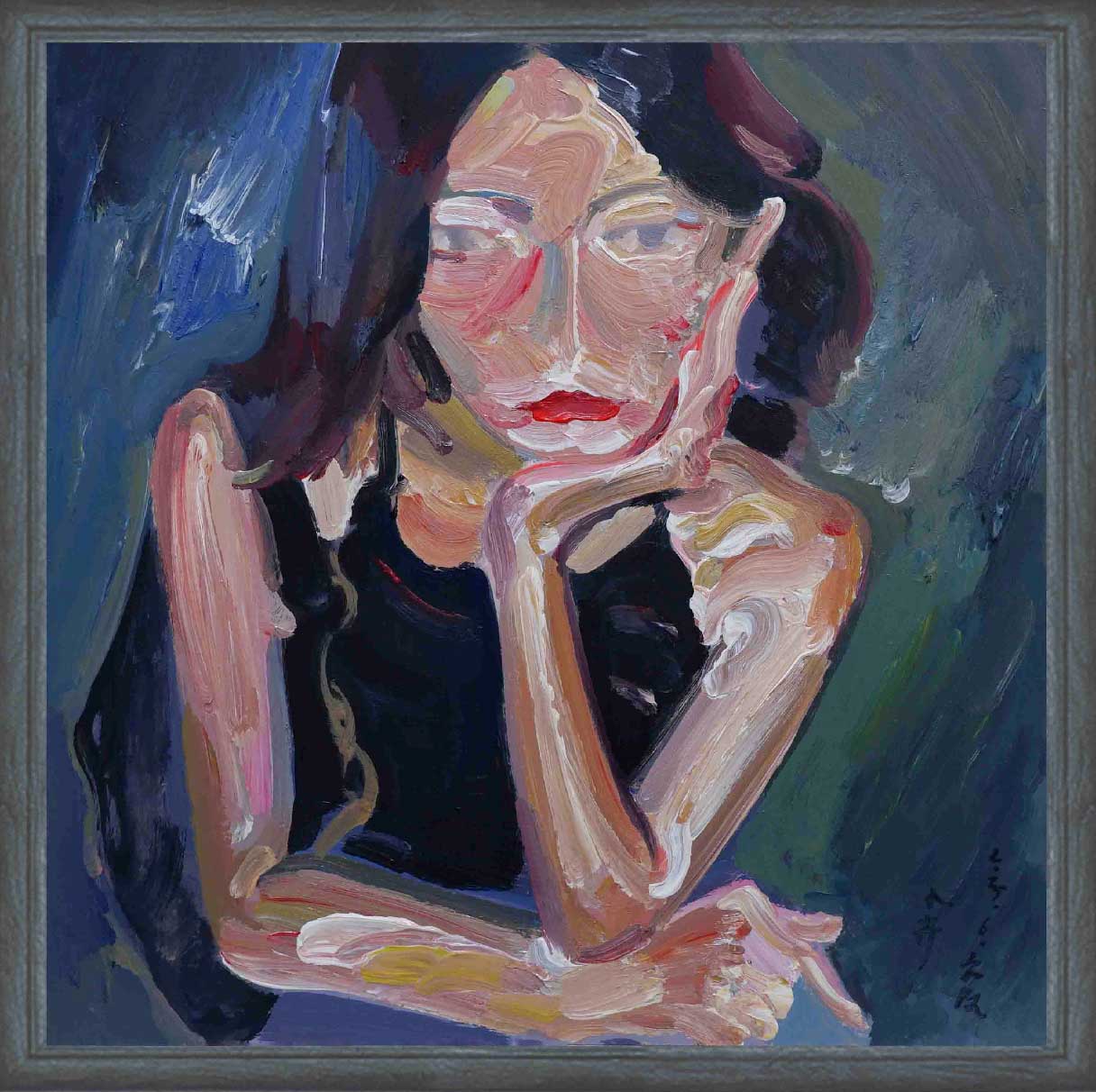
Hi, I’m Philo, a Chinese artist passionate about blending traditional Asian art with contemporary expressions. Through Artphiloso, my artist website, I share my journey and creations—from figurative painting and figure painting to floral oil painting and painting on landscape. You'll also find ideas for home decorating with paint and more.
FAQs
What defines abstract art?
Abstract art removes direct representation to focus on color, form, and emotion. It captures essence rather than appearance.
Is abstract art easy to make?
No. It requires compositional skill, emotional sensitivity, and technical control. Simplicity in abstraction often hides complexity.
How do I recognize good abstract art?
Look for coherence, emotion, originality, and craftsmanship. A good piece feels intentional and remains engaging over time.
Do I need art knowledge to appreciate abstraction?
Not necessarily. Abstract painting speaks through emotion and perception. Observing slowly and openly enhances understanding.
How does Abstract Expressionism fit in?
Abstract Expressionism, born in 1940s New York, emphasized gesture and emotion. Artists like Jackson Pollock, Mark Rothko, and Willem de Kooning used large formats and dynamic movement to express the subconscious. Their legacy continues to influence modern abstraction.
Can abstract art still innovate today?
Yes. Artists now combine traditional painting with digital media, installation, and virtual formats, expanding abstraction into new dimensions.
Why does abstract art matter?
It teaches us to see beyond objects and recognize the emotional language of color, rhythm, and space. Abstraction remains a testament to creativity’s boundless form.