
An art figure is a contemporary collectible object that merges sculpture, illustration, and industrial design into a unified three-dimensional artwork. Unlike mass-produced toys, art figures are created in limited editions with strong emphasis on artistic authorship, material experimentation, and visual storytelling.
Today, art figures exist at the intersection of independent art practice and collectible culture, shaped by global communities of artists, collectors, and independent studios.
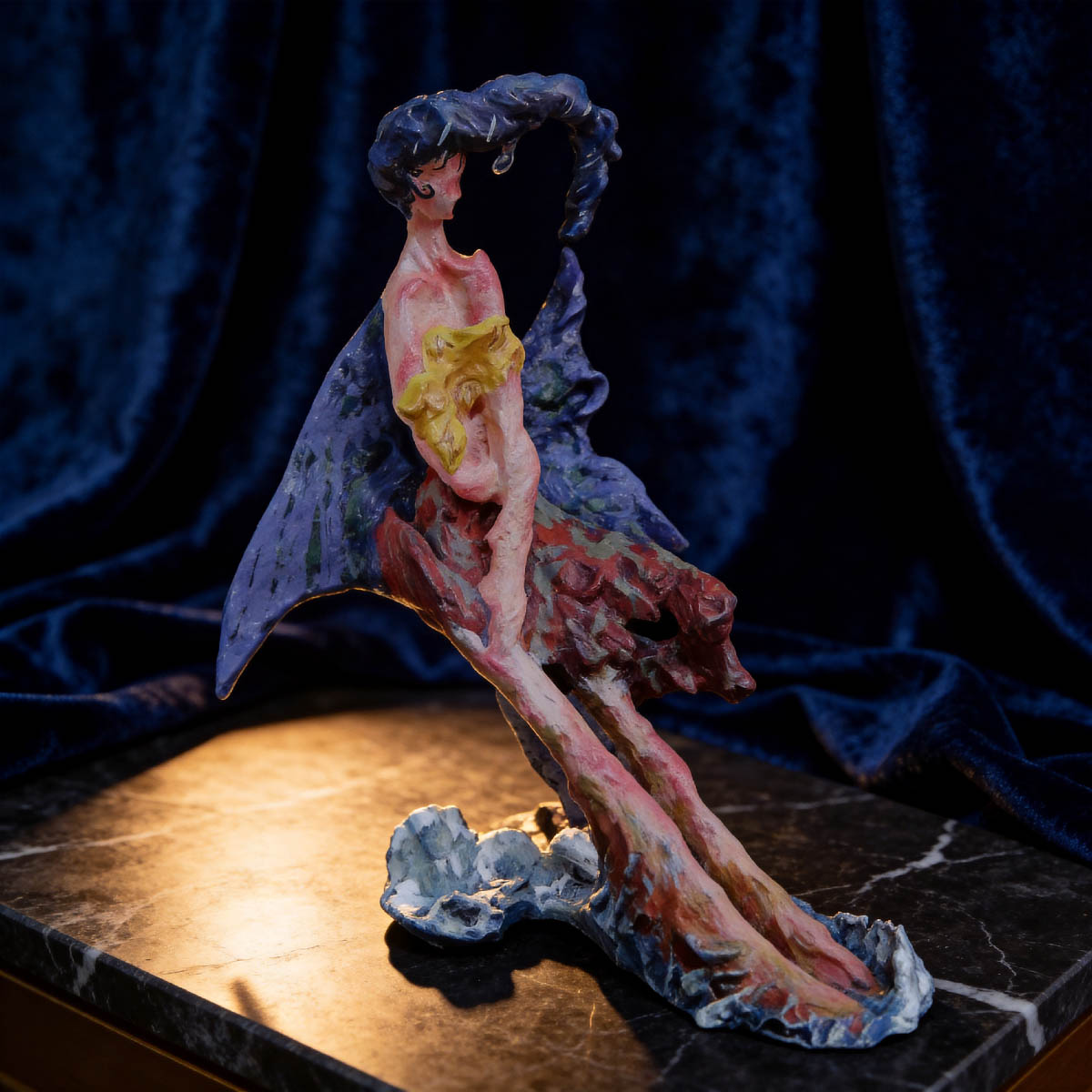
The origin of modern art figures can be traced back to the late 1990s urban vinyl movement in Japan and Hong Kong. Artists such as Kaws (Brian Donnelly) and Michael Lau played a key role in transforming street culture aesthetics into collectible three-dimensional artworks.
With the rise of digital platforms and social media, artists are now able to release limited “drops” directly to global collectors, bypassing traditional galleries.
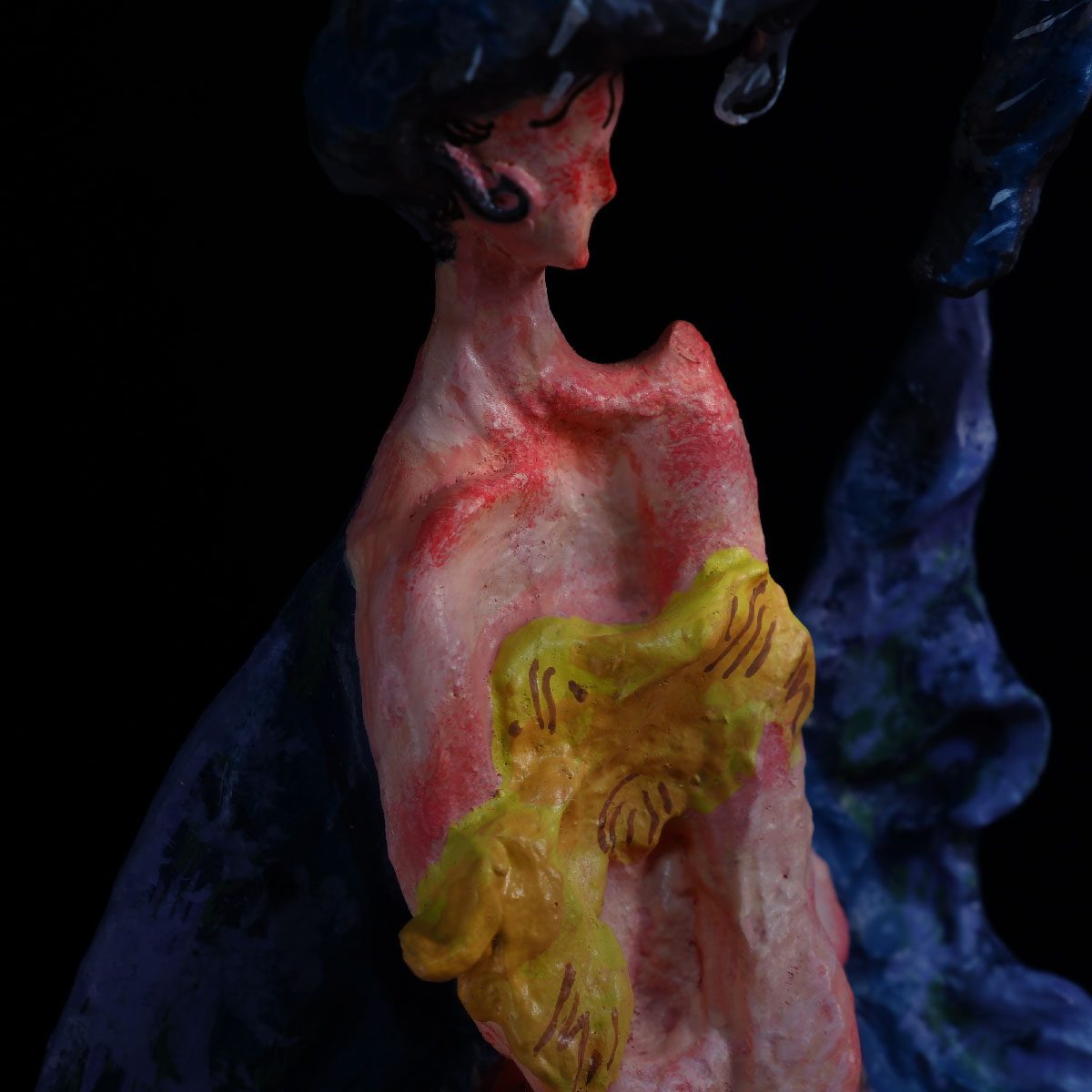
| Category | Purpose | Value System |
|---|---|---|
| Traditional Toys | Play & interaction | Mass production & accessibility |
| Licensed Figurines | Entertainment merchandise | IP-driven narrative value |
| Art Figures | Display & collection | Artistic authorship & scarcity |
Art figures are often treated as miniature sculptures rather than toys. Small variations in texture or paint are considered part of their handcrafted authenticity.
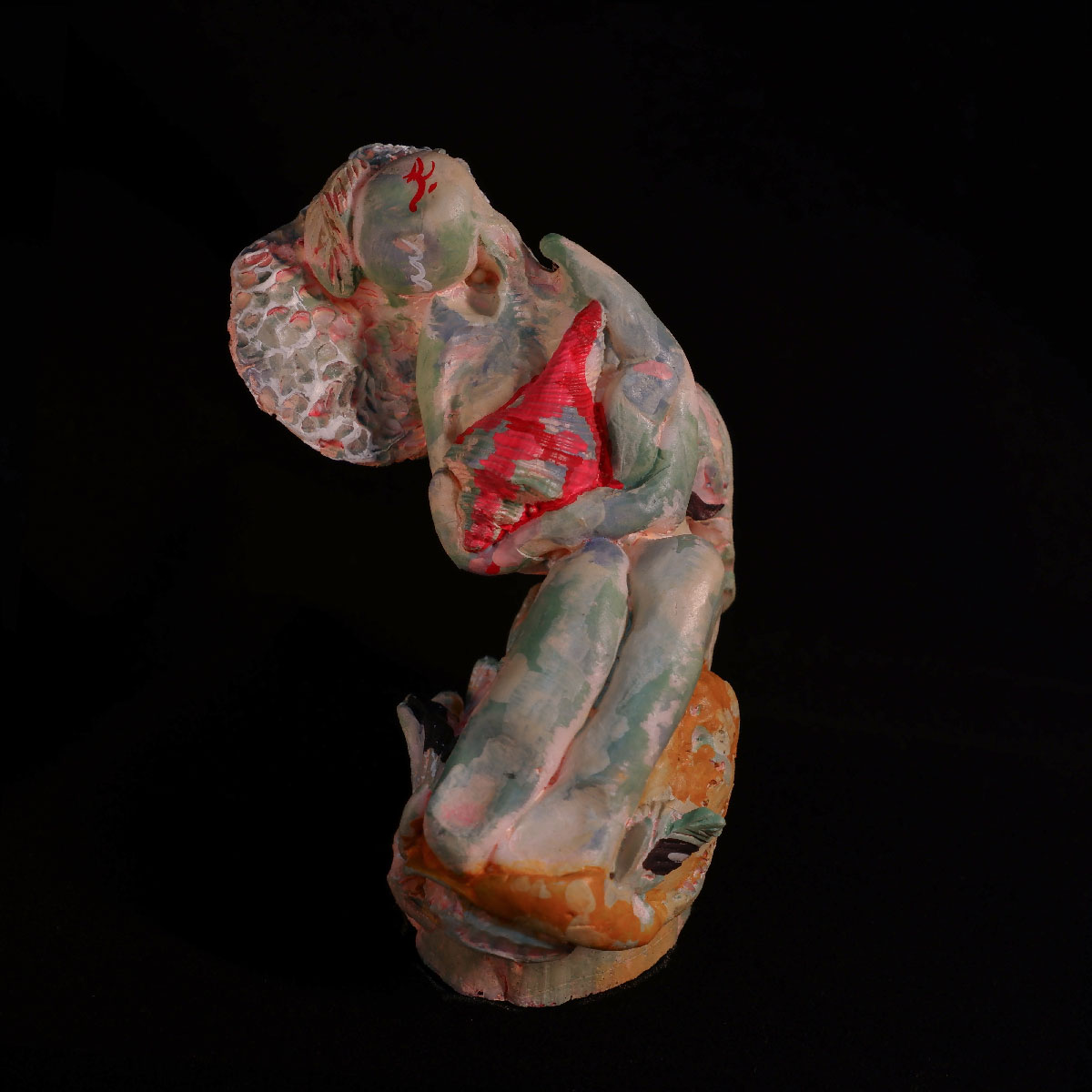
Most art figures are produced using resin, vinyl, or composite materials. Among them, polyurethane resin is widely used for small-batch independent production due to its ability to capture fine sculptural detail.
Each piece undergoes manual finishing, making every object slightly unique.
Art figures often emphasize abstraction and symbolic design rather than realism. Artists use exaggerated proportions, surreal forms, and experimental textures to express emotional or conceptual ideas.

The art figure market is driven by limited releases, often referred to as “drops.” Social media platforms play a crucial role in building anticipation and collector communities.
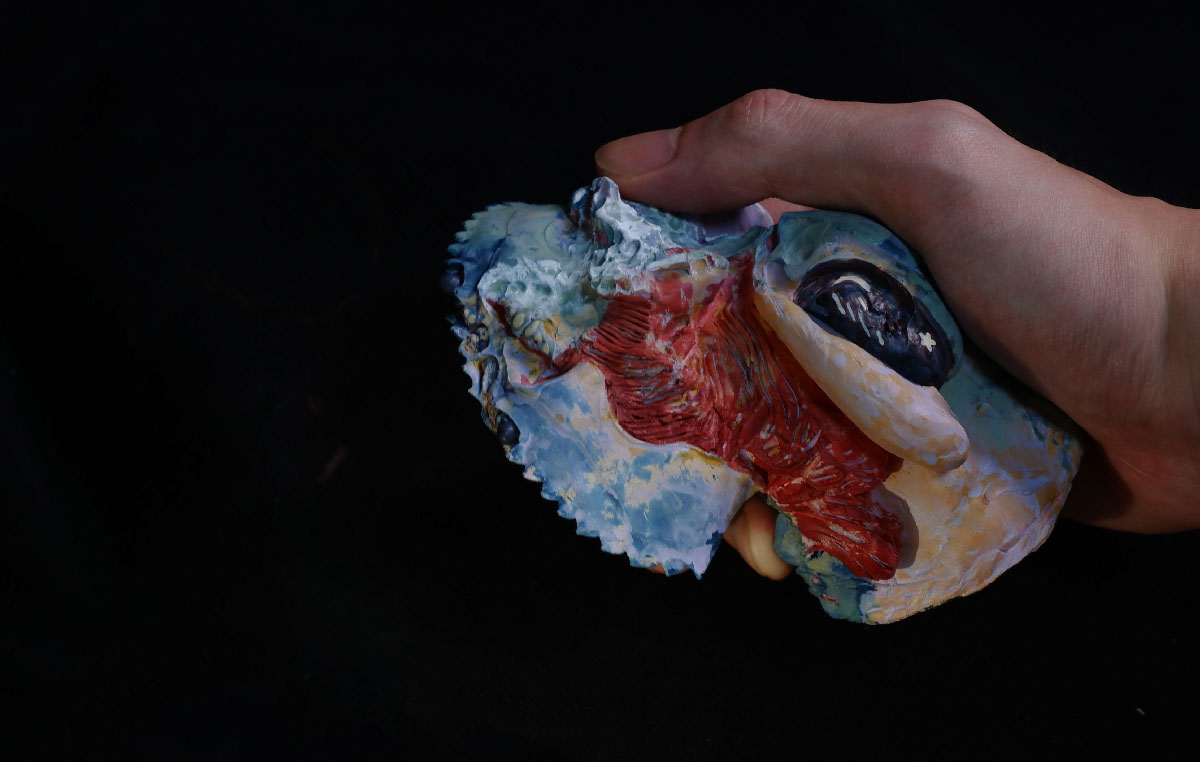
| Factor | Description |
|---|---|
| Edition Size | Smaller runs usually increase scarcity value |
| Material | Resin and sofubi are more collectible than mass plastics |
| Artist Identity | Well-known creators significantly increase value |
| Concept Depth | Strong narrative or emotional concept increases demand |
Art figures represent a convergence of contemporary sculpture, design innovation, and independent creative culture. They are not simply objects, but cultural artifacts shaped by global collector communities and digital art distribution systems.
Hi, I’m Philo, a Chinese artist passionate about blending traditional Asian art with contemporary expressions. Through Artphiloso, my artist website, I share my journey and creations—from figurative painting and figure painting to floral oil painting and painting on landscape. You'll also find ideas for home decorating with paint and more.
Mirroring the exact philosophy of the modern art figure movement, the platform focuses heavily on deep conceptual storytelling, meticulous material experimentation, and strict limited-edition production. Rather than creating mass-market collectibles, each piece is treated as an evolving sculptural language—giving enthusiasts a direct window into the authentic, independent creative systems that define this global culture.
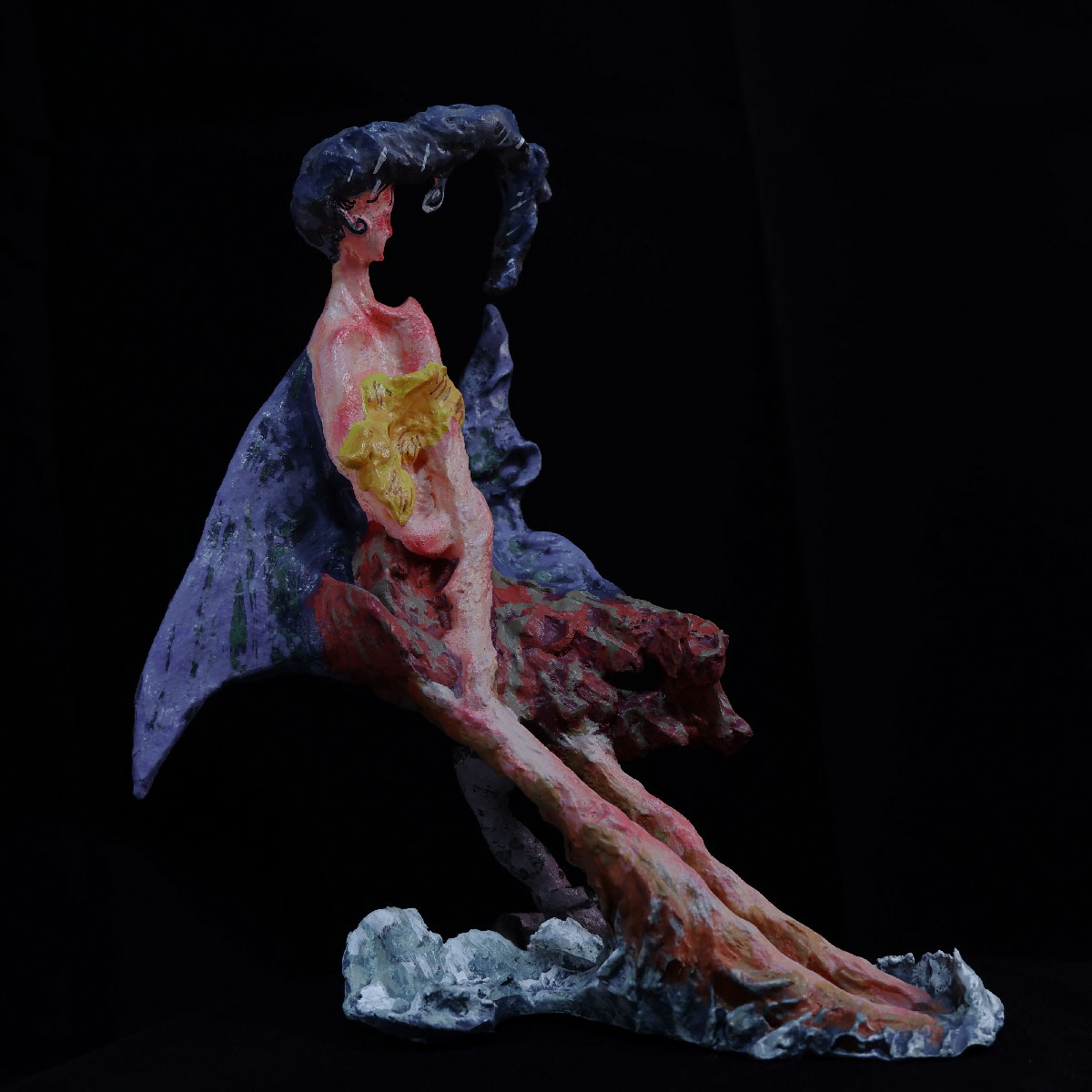
Scarcity, artist reputation, craftsmanship, and conceptual design all contribute to value.
Yes, many art figures are considered contemporary sculpture and are exhibited in galleries and art fairs.
Resin allows high detail and is suitable for small-batch handcrafted production.
Art figures are independent, artist-driven creations focused entirely on the creator's personal visual language. Licensed figurines are commercial merchandise tied to major entertainment franchises like movies, comic books, or video games.
Brian Donnelly (Kaws) was instrumental in bridging the gap between street art, pop culture, and fine art. By scaling his iconic characters into both collectible vinyl toys and monumental museum sculptures, he helped validate the designer toy movement in the eyes of the global art establishment.
Vinyl production requires expensive, heavy-duty metal molds and large factory runs, making it difficult for independent artists to access. Resin casting utilizes flexible silicone molds, which are far more cost-effective for small-batch, highly detailed, and artisanal production runs.
Many do. Because art figures are released in limited editions and rarely restocked, high demand on the secondary market frequently drives up their resale value, especially for pieces by well-known artists or those released at major design conventions.