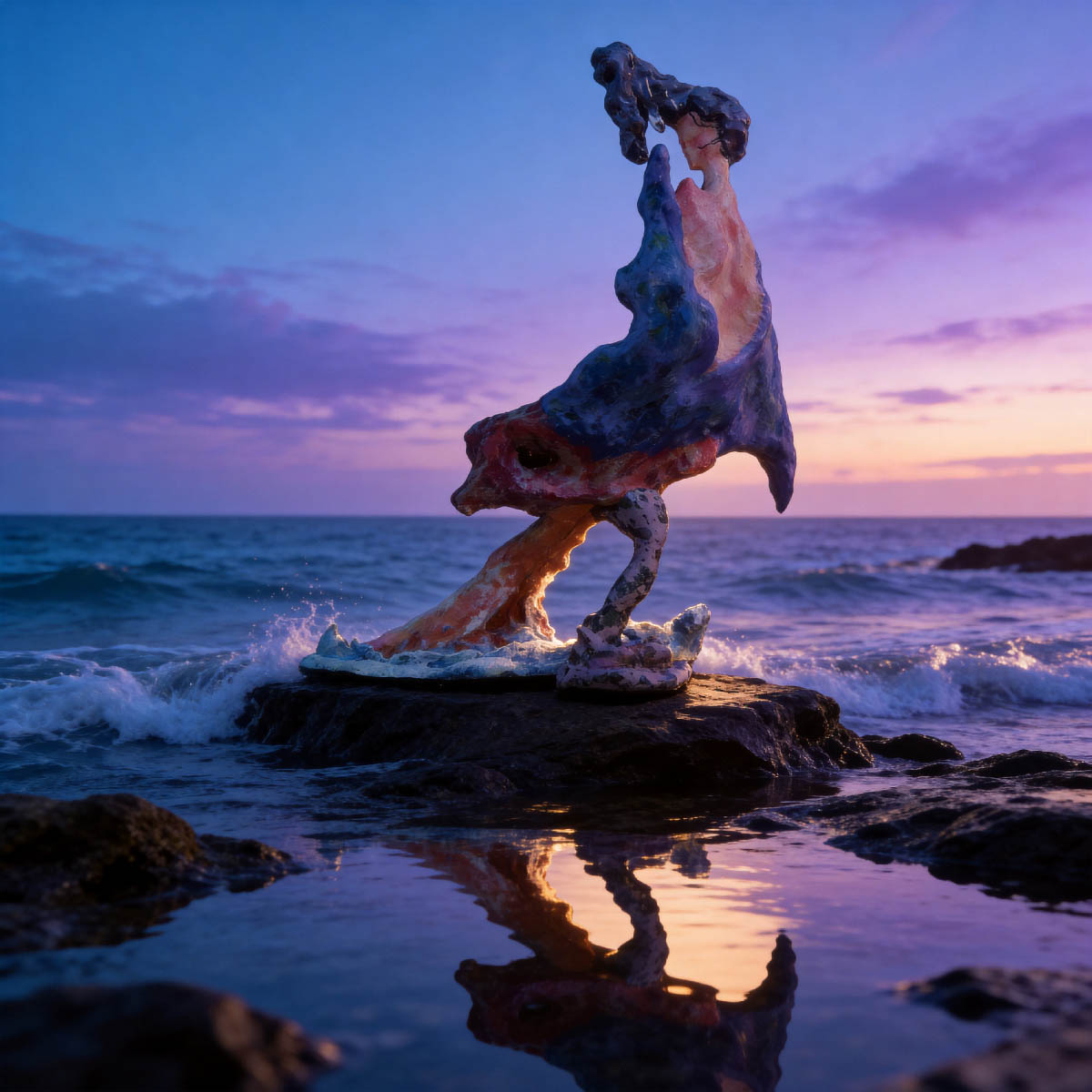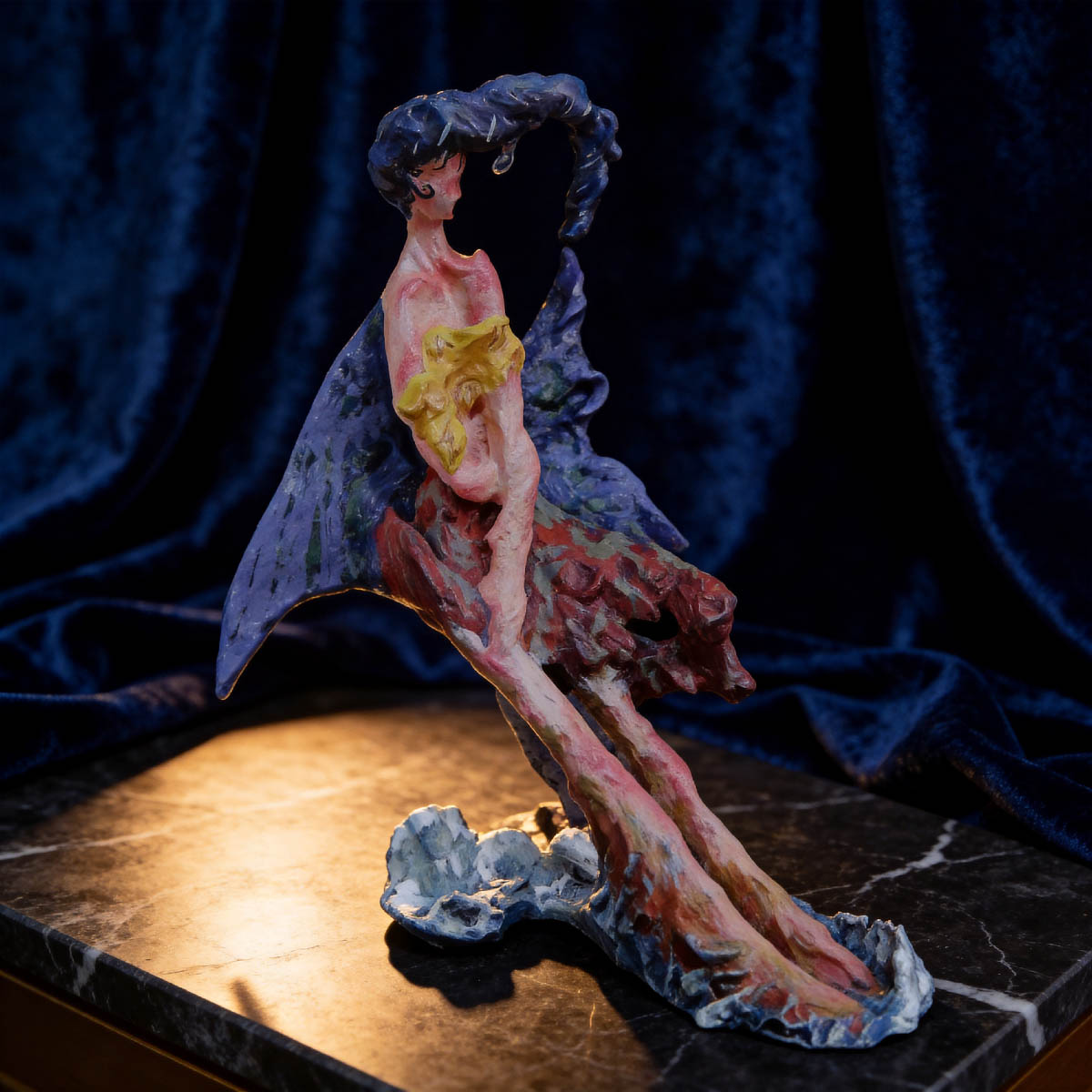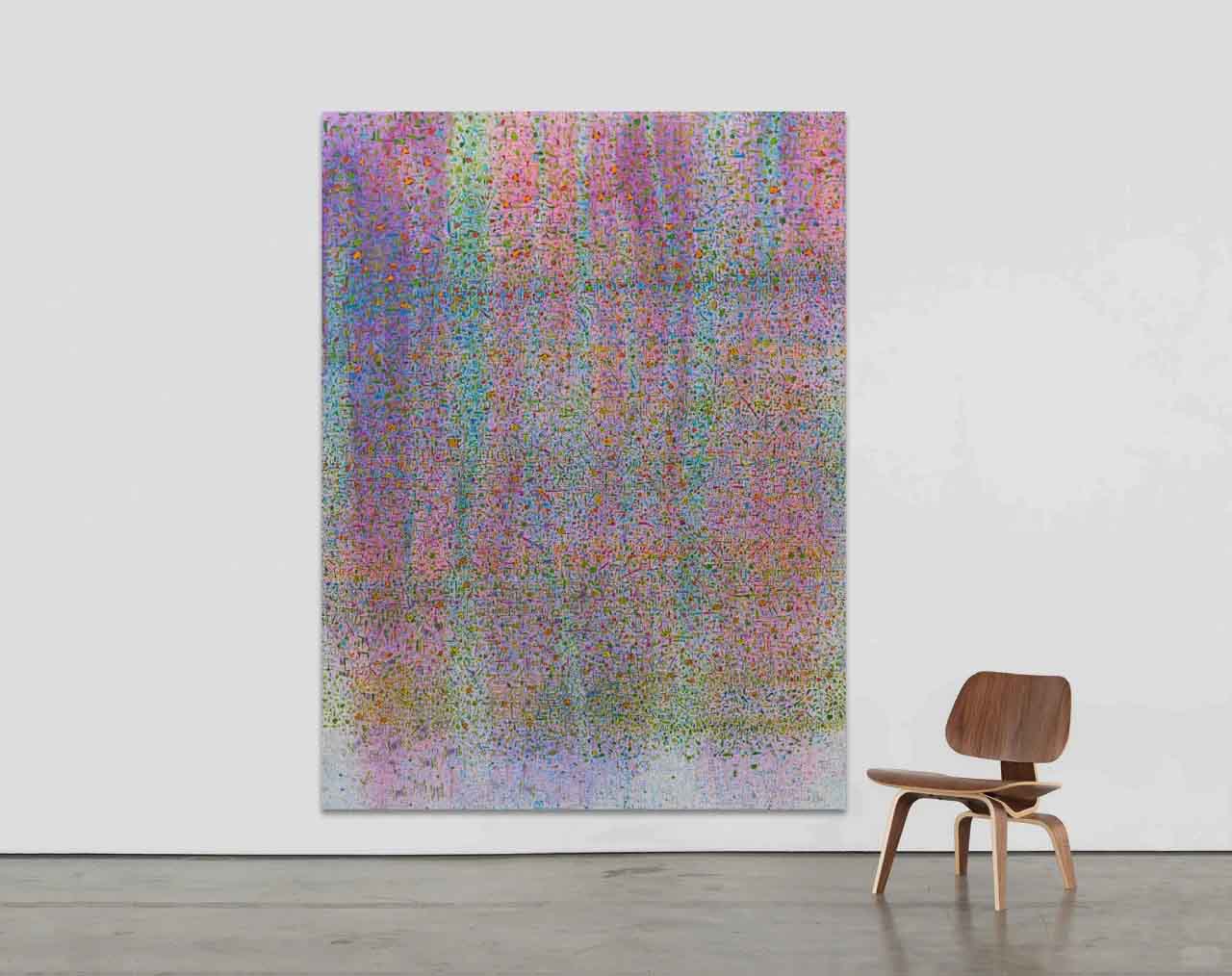
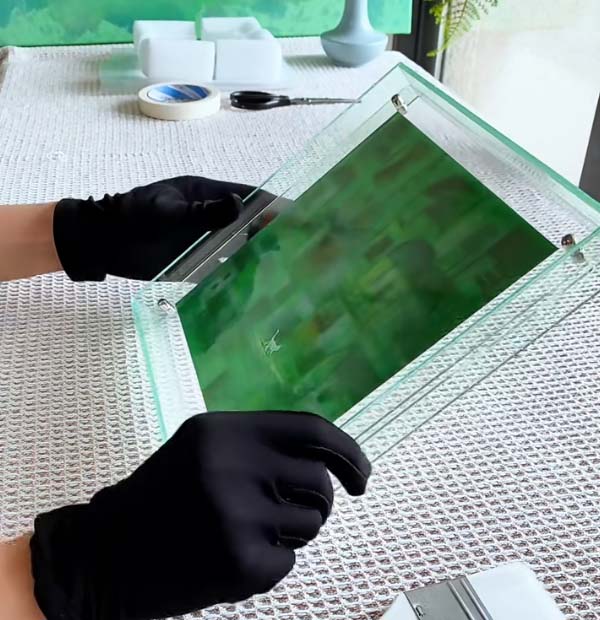
Art insurance is a specialized form of coverage designed to protect high-value and unique artworks. Unlike standard property insurance, it focuses specifically on fine art, including paintings, sculptures, photography, antiques, and manuscripts. Art insurance applies to both institutions—such as museums, galleries, and auction houses—and to private collectors and individual artists.
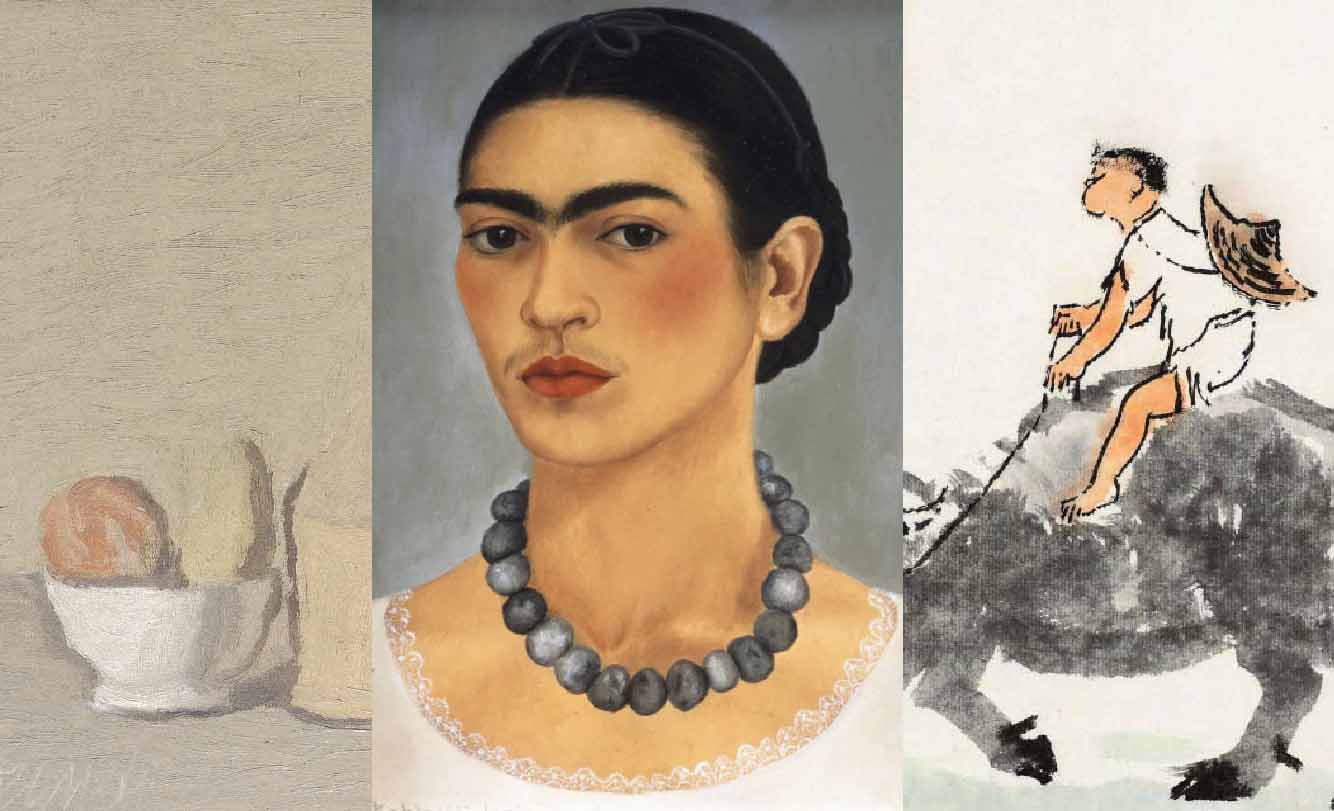
In today’s globalized world, art collecting has long surpassed the boundaries of a single region. Whether it is oil painting, ink painting, or contemporary installation art, works created by artists from diverse cultural backgrounds are increasingly drawing the attention of collectors and institutions. Collecting cross-cultural artworks not only enriches a personal collection system but also broadens the understanding of art history and cultural contexts. Collecting works by artists from different cultural backgrounds is a key way to deepen and expand an art collection.
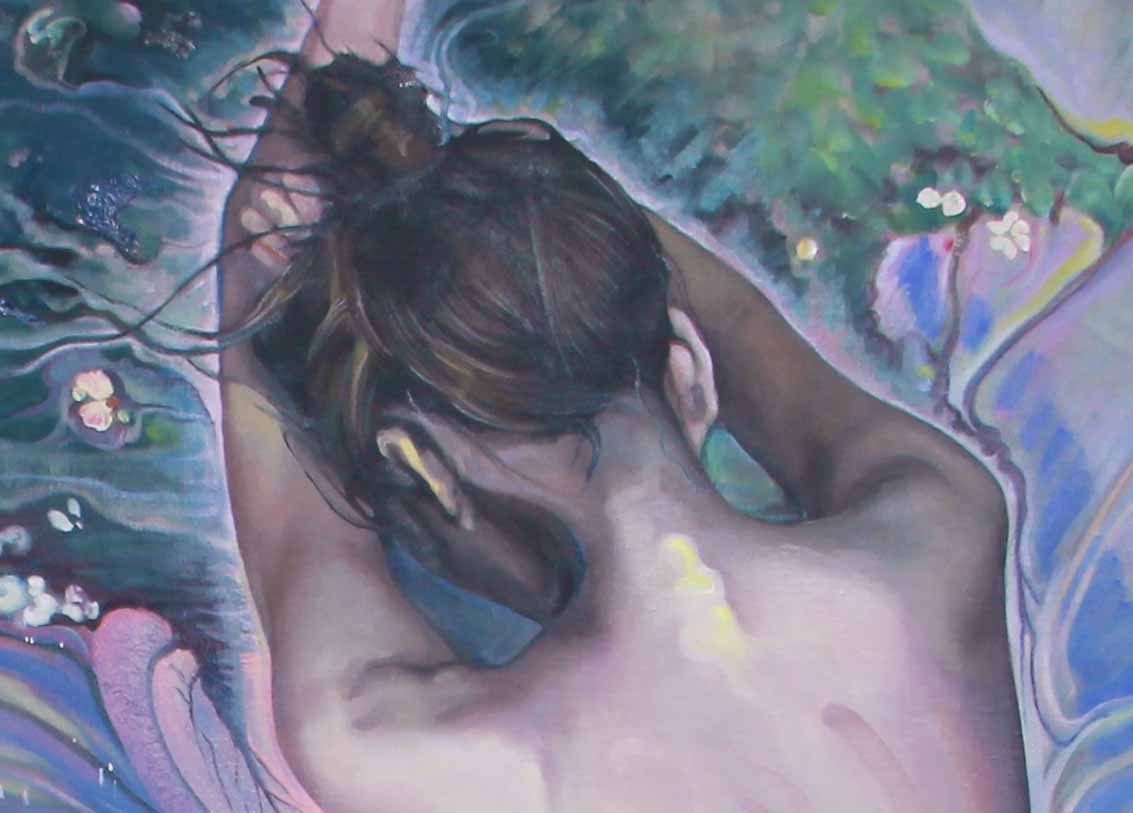
In the past decade, AI-generated painting has emerged as an unavoidable topic in contemporary art discourse.At the same time, debates over whether AI painting possesses originality, or whether it deserves copyright protection, continue to intensify. This is not merely a technical issue, but rather a dual challenge involving both aesthetics and law. The legitimacy of AI painting must be examined through both philosophical and legal frameworks.
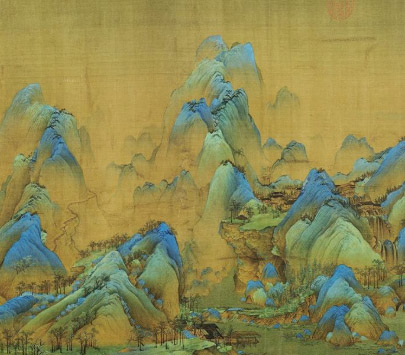
In the system of traditional Chinese art and literary criticism, the concept of Yijing (意境) occupies a central and unique position. It represents not only the highest realm of aesthetic experience but also the ultimate spiritual pursuit of the artist. To understand Yijing, one must consider perspectives from literature, painting, music, and philosophy. At the same time, it is essential to compare it with similar Western terms in order to fully grasp its depth.
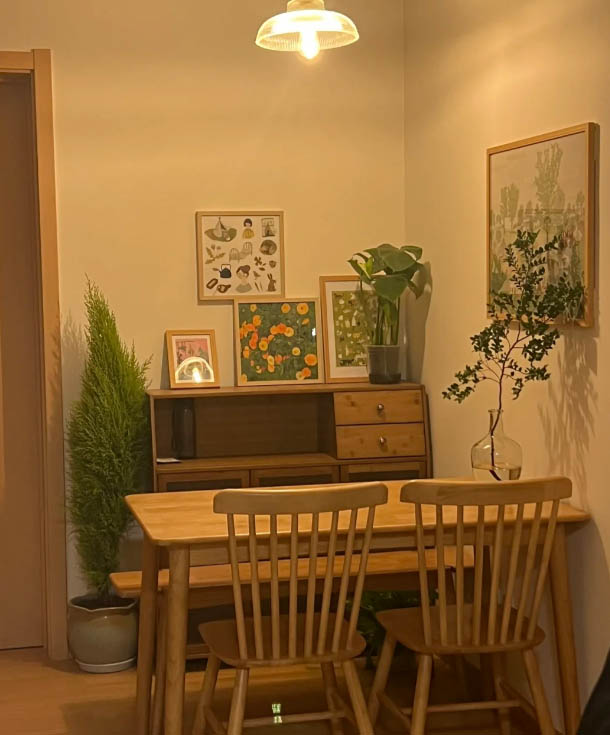
Bold and thoughtful art choices can transform your dining room into a space of both comfort and visual interest, making it the best artwork for dining room to elevate your space.
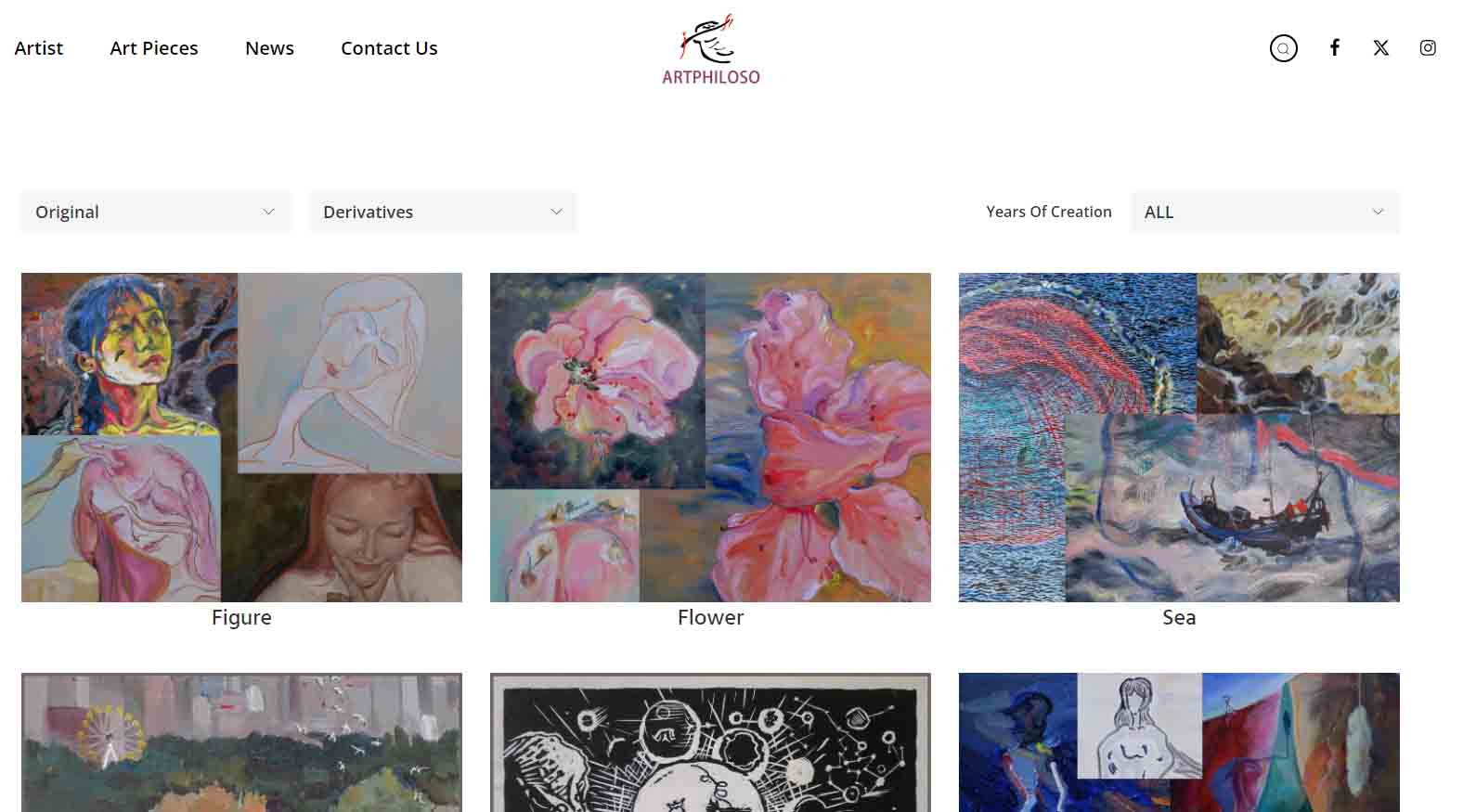
Understanding the steps involved in selecting and purchasing art ensures that each piece not only enhances a space but also becomes a valued part of a personal collection. If needed, some platforms allow direct communication with artists for personalized engagement.
Thank you for choosing to acquire artworks through our platform. To safeguard the rights and interests of both collectors and artists/sellers, please carefully read the following guidelines before making a purchase. Completion of a purchase shall be deemed as your full understanding and acceptance of these terms.
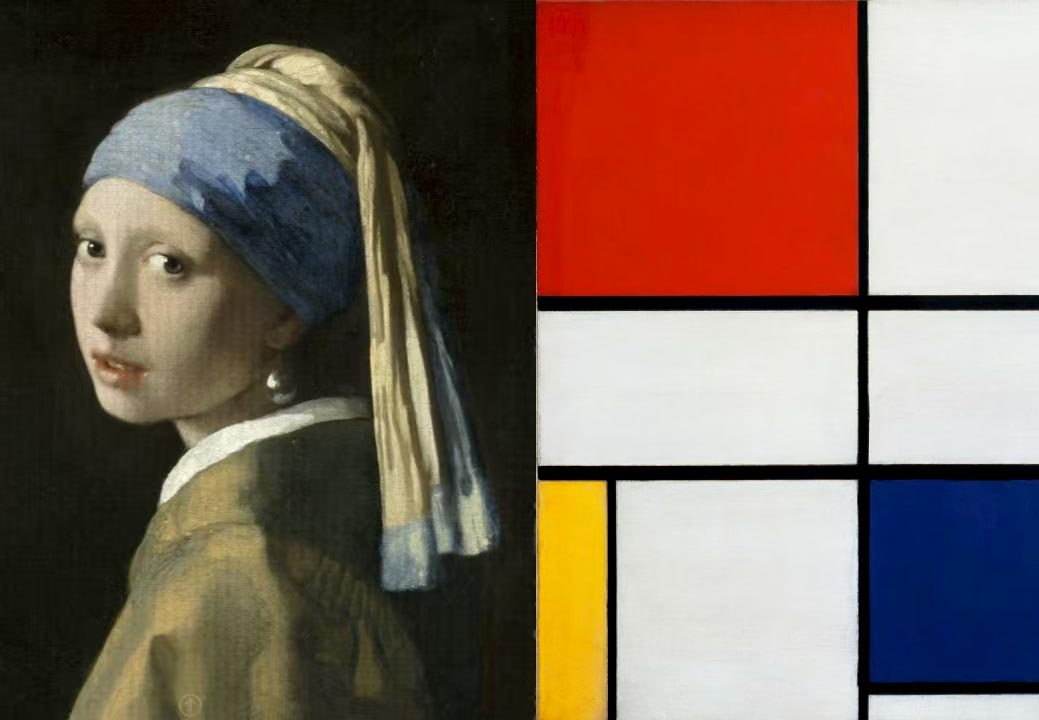
Figurative art grounds us in the shared experience of the tangible world, offering narratives, portraits, and reflections of our external and internal realities. Abstract art liberates the visual elements, allowing colour, line, form, and texture to communicate directly, evoking emotions and ideas that transcend literal depiction.
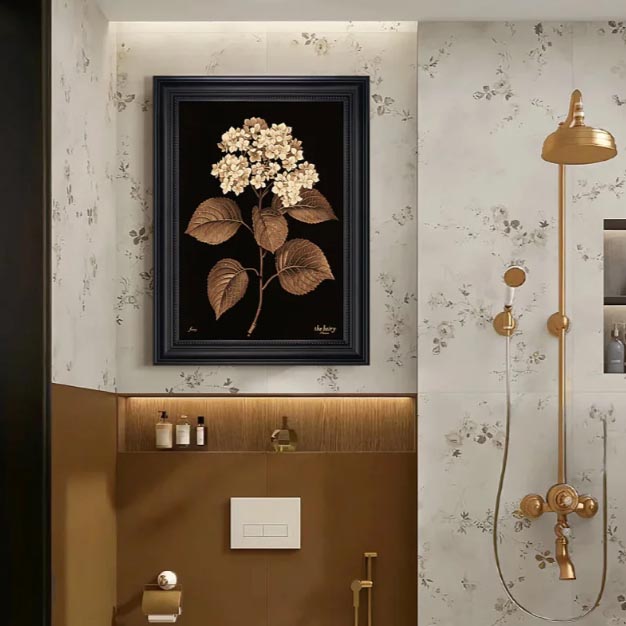
This guide outlines the key factors for successfully hanging pictures in bathrooms and choosing what to hang on a bathroom wall, focusing on practical solutions like paintings for bathroom walls and canvas art in bathroom settings.
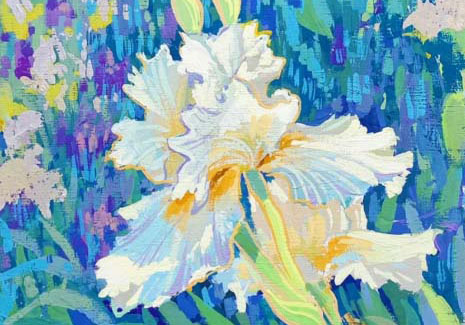
Acrylic painting is one of the most approachable ways to start exploring art. It is forgiving, dries quickly, and offers vibrant colors that are perfect for capturing the beauty of flowers. This guide will walk you through painting an acrylic flower step-by-step, with tips tailored for those who are just starting.