Oil paintings contain layered textures, sensitive color shifts, and a surface chemistry that evolves over time. Knowing how to clean an oil painting safely ensures the longevity of any oil painting artwork on canvas, whether it is a contemporary studio piece or a traditional framed work. This guide expands common practices with a broader perspective used in contemporary studios and by professionals working with painter oil painting techniques.
1. Understanding the Surface Structure Before Cleaning
Every oil painting includes a support layer, a ground, and the actual paint film. Some works are also coated with varnish, which changes how the surface reacts to moisture and friction. Canvas behaves differently from wood panels or paper. Textured impasto traps more airborne particles, while smooth, glazed surfaces remain more vulnerable to abrasion.
Environmental exposure contributes to gradual surface changes. Urban areas accumulate fine soot, while homes with fireplaces collect oily deposits. Humid conditions can introduce mold risks. Recognizing these factors helps determine how aggressively—or how gently—a surface can be cleaned.
Identifying the physical behavior of the surface guides every safe cleaning decision.
2. Minimizing Dust and Particulate Accumulation
Light dusting forms the foundation of preventive care. A soft microfiber cloth suits varnished surfaces, while a goat-hair or sable brush works better for textured areas or unvarnished paint. Dust should be lifted away rather than pushed into low areas of the paint.
Chemical-coated dusters and household wipes leave films that attract more dust. Small hand air blowers used for photography equipment can remove loose particles around textured passages. A dry cotton swab can help extract dust from narrow edges without adding pressure.
Consistent dry cleaning prevents the buildup that requires more complex treatment later.

3. Safe Moist-Cleaning Techniques for Light Surface Grime
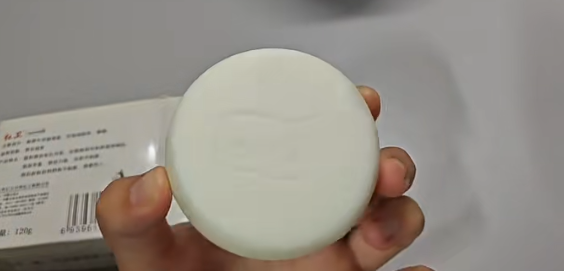
When dust forms a thin film, a controlled damp-cleaning method becomes useful. Conservators prefer neutral, oil-free soaps diluted in distilled water. The cloth should remain only slightly damp and applied gently.
This method is appropriate mainly for varnished works. The motion should be linear, not circular, to avoid friction-heavy contact. Edges and raised paint require extra care.
Avoid alcohol, acetone, or general-purpose household cleaners. These products dissolve binding oils and shift color. Wood-polish sprays and multi-surface products also leave incompatible residues.
Light, controlled moisture removes surface film effectively without disturbing the paint layer.
4. Handling Oil-Based Stains and Local Spots
Certain surfaces develop small spots from wax, airborne kitchen oils, or incidental contact with other materials. The first step is distinguishing whether the mark originates from the painting itself or from an external contaminant. Thick strokes sometimes expose binder naturally, while external residue appears irregular or matte.
For external oil-based stains, conservators use specialized emulsions. In home care, the safest step is rolling a distilled-water-dampened cotton swab lightly across the area. If the stain persists, additional attempts should not follow. Strong solvents behave similarly to those used in guidance on how to clean up oil based paint, cutting through materials indiscriminately.
Localized stain cleaning requires minimal action, and escalation should stop when water no longer improves the surface.
5. Considerations for Oil Paintings on Paper or Board
Oil on paper responds differently to moisture than oil on canvas. Paper expands and distorts easily. Unframed works demand extremely minimal cleaning—usually limited to dry brushing. When framed behind glass, cleaning the glass alone is often sufficient.
Oil halos or migration stains on paper are natural results of the medium and not removable through cleaning. Attempting correction damages the surface.
Oil paintings on paper respond best to dry, minimal handling to protect structural stability.
6. Managing Smoke, Soot, and Heavy Environmental Contamination
Exposure to candles, fireplaces, or high-pollution areas results in soot layering. These deposits embed within varnish and react differently than ordinary dust. Attempting at-home cleaning spreads soot rather than removing it.
Professional conservators use staged cleaning methods that separate removable soot from bonded layers. These techniques require precise control.
Severe contamination warrants professional treatment because it cannot be removed safely with home methods.
7. Environmental Controls and Prevention Strategies
Managing the environment is just as important as cleaning. Moderate humidity between 45–55% and stable room temperature help prevent cracking and mold. Direct sunlight should be avoided entirely, as UV light breaks down varnish and pigment.
Painting storage also matters. Avoid storing works near vents, in damp areas, or stacked flat without padding. Proper spacing ensures long-term stability.
Stable environmental conditions reduce stress on the painting and minimize the need for future cleaning.
8. When Professional Restoration Becomes Necessary
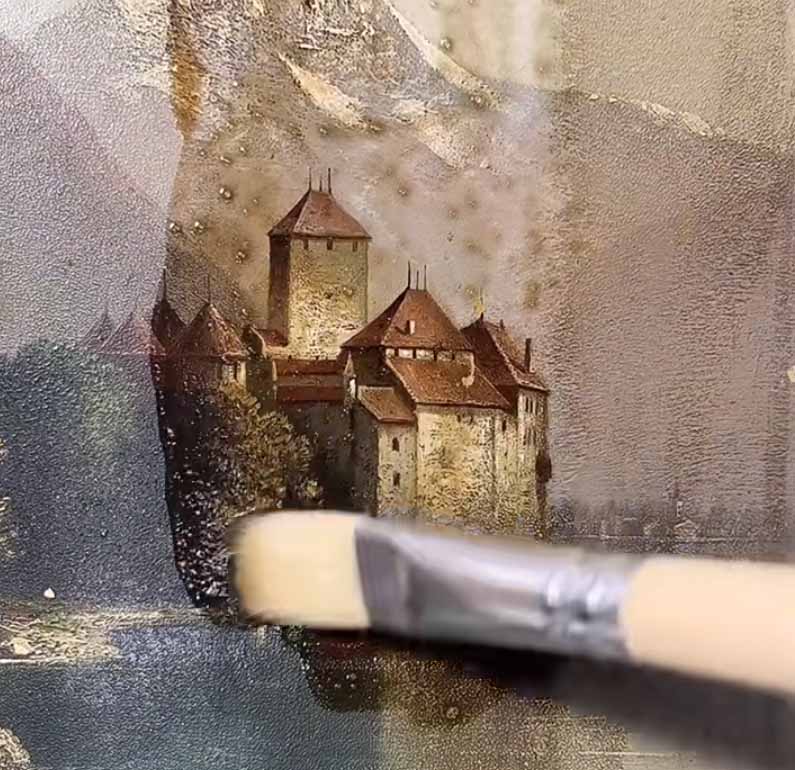
Older works or paintings with cracking varnish require professional evaluation. Conservators trained in established institutions use reversible materials and specialized tools designed for precision work. Home remedies cannot replace these methods.
Professional services include varnish removal, surface rebalancing, structural repair, and compensation for paint loss. These actions demand expertise and should never be attempted with household tools.
Professional restoration is essential when structural issues go beyond routine surface maintenance.
Conscientious, informed cleaning protects both the visual character and long-term health of an oil painting.
About Art philoso
For collectors interested in expressive, carefully crafted contemporary oil painting, artphiloso.com offers a selection of original works created with long-term preservation and material clarity in mind. Each piece reflects deliberate color structure, refined technique, and a strong awareness of how oil behaves over time. Exploring the catalog provides insight into how surface control and painterly intention shape compelling modern oil-based art.
Hi, I’m Philo, a Chinese artist passionate about blending traditional Asian art with contemporary expressions. Through Artphiloso, my artist website, I share my journey and creations—from figurative painting and figure painting to floral oil painting and painting on landscape. You'll also find ideas for home decorating with paint and more.

FAQs
1. What is the safest way to remove routine dust?
A soft brush such as goat hair or sable removes dust gently without adding pressure to the paint.
2. When is damp cleaning appropriate?
Light damp cleaning is suitable only for varnished surfaces and only with diluted neutral soap.
3. How should small external oil-based stains be treated?
Use minimal distilled water and avoid solvents entirely. Escalation requires professional assessment.
4. How are oil paintings on paper maintained?
Only dry cleaning is appropriate because paper absorbs moisture easily and distorts.
5. When should a conservator intervene?
Heavy soot, cracked varnish, or any instability in the paint layer requires professional evaluation.